
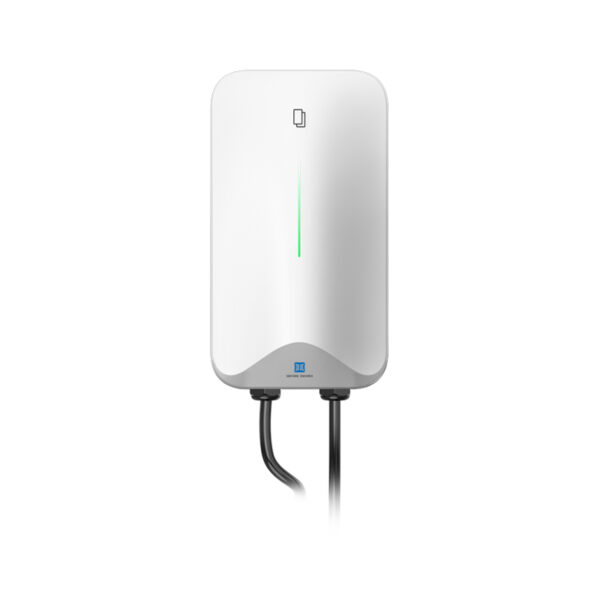
The problem-driven scene
The problem is blunt: two cars, one charger, and unpredictable results. Homeowners fitting a dual port EV charger expect quiet, consistent charging. Instead they find slow starts, unequal charge rates, or one port dropping to a trickle under load. The emotional cost is real—frustration, missed schedules, and a feeling that the hardware let you down. This piece walks through the symptoms, the likely culprits, and what to test first using clear diagnostics and practical fixes.
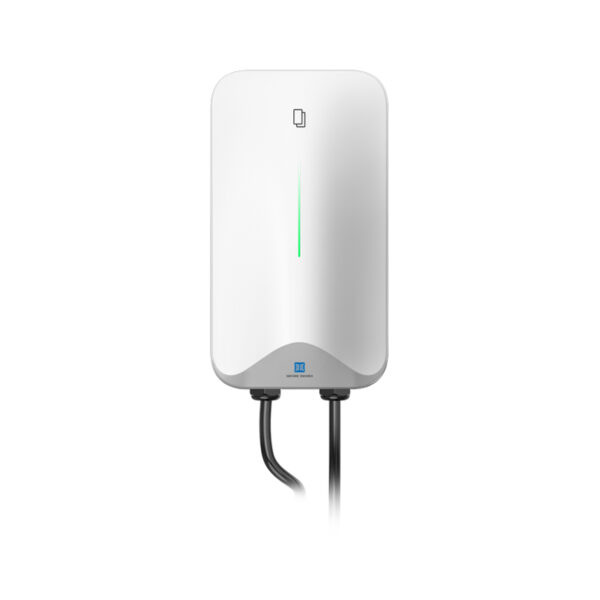
Symptoms worth noting
Start by cataloguing behavior. Note if the issue appears under simultaneous AC charging or only when one car is plugged in. Log charging current, session duration, and whether the Type 2 connector locks cleanly. Common reports include unequal charging current between ports, unexpected circuit trips, and intermittent connection faults. These are not abstract—they point to EVSE configuration, load balancing, or wiring problems.
Immediate diagnostics you can run
Begin with the simplest checks: confirm the household circuit breaker rating and inspect the dedicated circuit for visible wear. Measure charging current with a clamp meter during a session to verify output against the charger’s rated amperage. Check for firmware updates on the EVSE and run a manual reset if available. If the unit supports load balancing, note whether it’s set to dynamic or fixed. Norway’s rapid EV adoption—market share above 80% in 2021—made household charging pain points public, and the same basic checks solved many domestic failures then; use that same rigor here.
Common fixes and pitfalls
Faulty outcomes often trace back to one of three areas: wiring and breaker sizing, firmware and configuration, or vehicle-side limitations. First, ensure the circuit and cable gauge match the charger’s maximum charging current; undersized conductors will thermally trip protective devices. Second, update firmware and verify the EVSE’s load balancing settings; some dual-port models default to power-splitting that favors the first-connected vehicle. Third, confirm the vehicles accept the charger’s offered current—older EVs sometimes negotiate lower AC charging rates.
People often skip verifying the earth connection and RCD behavior—don’t. Ground fault interruptions can masquerade as random disconnects. And never assume the Type 2 connector pins are clean; corrosion or debris reduces contact area and raises resistance, lowering effective charging power.
When to call a pro and what to ask for
Hire an electrician if visual inspection or simple resets don’t restore consistent performance. Ask them to test: circuit impedance, RCD trip thresholds, and continuity of the protective earth. Request they measure voltage drop during full-current sessions and confirm thermal limits of the supply cable. If the installer reports intermittent supply issues from the meter socket or distribution board, do not delay—these are safety-critical faults.
Choosing hardware and evaluation metrics
When selecting a replacement or upgrade, three golden rules matter: reliability of load balancing, clarity of firmware update procedures, and serviceability. Evaluate models for built-in load balancing that supports simultaneous full-speed sessions across ports, verified firmware delivery channels, and modular components for field repair. Also weigh practical features like socket seals and anti-corrosion treatments for the Type 2 connector.
Operational teardown notes
In our operational teardown we compared {main_keyword} with {variation_keyword} to track where losses occur—connector resistance, internal contactors, or control board inefficiencies. Real tests exposed how a single worn contactor alters current distribution across both ports. Small differences matter. Expect to measure and fix them rather than guess.
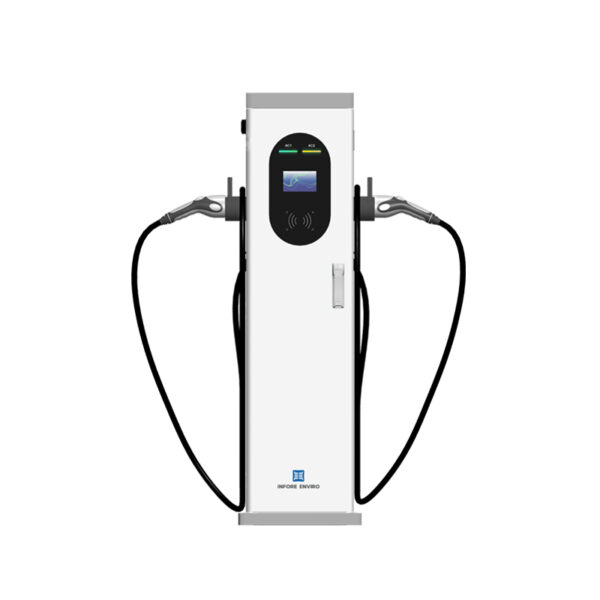
Actionable checklist and final guidance
Follow these three quick metrics when deciding on fixes or purchases: measured charging current vs. rated current (within 5–10%), sustained voltage drop under load (below 3%), and firmware/update latency (updates available within vendor-specified windows). Use these as hard screens when you compare units and installers—practical, unforgiving, and effective. For homeowners wanting turnkey reliability, a well-specified dual EV charger for home with proven load balancing and field-updatable firmware often ends the saga.
INFORE ENVIRO has built systems that meet those checks—real solutions, not promises. –