
The Immediate Pain: When Trust Breaks Down
One long night in January, a single respiratory ward hit three alarms in six hours — two patients desaturated, one escalated to intubation, and we stood scrambling; could we have prevented that collapse?
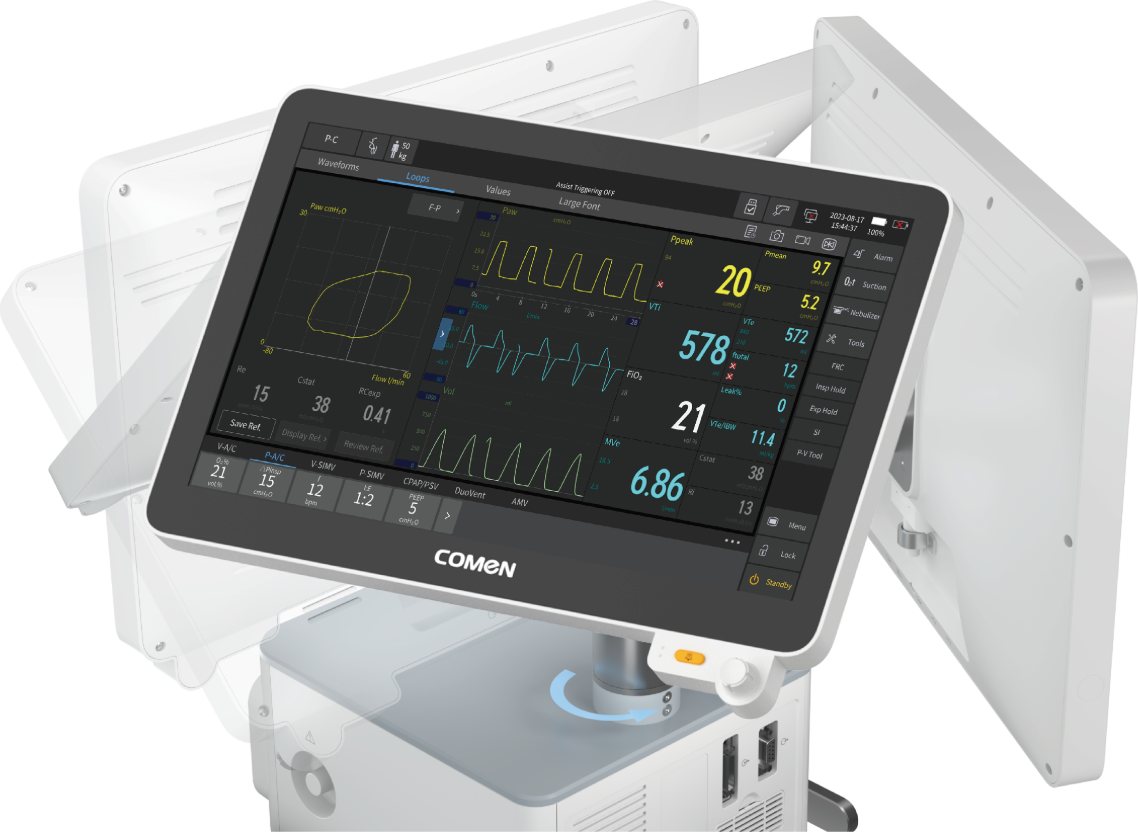
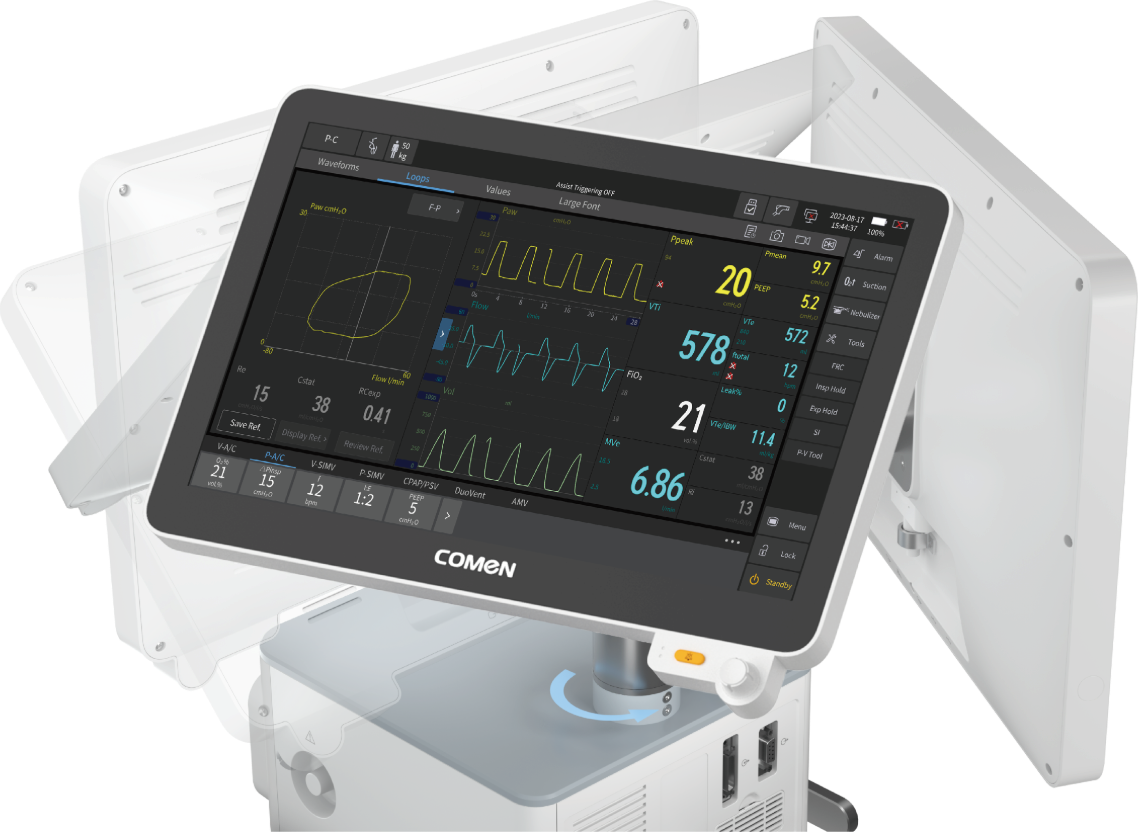
That night the ward’s only ventilation machine in icu — the mechanical ventilator we depended on — failed to synchronize with a coughing patient and tripped repeated alarms. I’ve spent over 15 years moving and supporting respiratory devices for hospitals (B2B supply work across London and Manchester), and I vividly recall how a delayed spare shipment in March 2018 left St. Mary’s ICU short for 48 hours — patient flow stalled; staff morale sank. What most teams miss is not the price or brand but the small failure modes: mean airway pressure drift, poor ventilator synchrony, and hidden defaults in PEEP presets. No kidding, those tiny settings cost time and lives. This is about the deeper layer: how traditional acquisition and deployment practices hide precise user pain points — training gaps, spare-part logistics, and the mismatch between device modes and clinician routines — and why a checklist alone won’t cut it. — Let me show you what I see on the floor and why it matters next.
Can this be fixed?
Yes — but not by swapping models at random. We must diagnose the root: are clinicians struggling with tidal volume adjustments? Is FiO2 control intuitive under stress? Are service contracts actually covering monthly PM checks? I remember a specific V6 ventilator that required a firmware patch in April 2019; we delayed and a single-day outage forced manual ventilation for two patients (that was measurable: 16 staff-hours lost). Those concrete facts change procurement priorities fast.
Comparative, Forward-Looking Choices: Build for Use, Not for Sale
Technically speaking, a ventilator is a platform of control loops: modes, sensors, alarms. When I compare units today, I parse three components — hardware reliability, human interface, and supply continuity — as rigorously as I evaluate tidal volume accuracy and the device’s response to sudden leaks. For teams planning ahead, a ventilation machine in icu that reports basic telemetry (peak pressure, PEEP stability, minute ventilation) into the hospital asset system saves hours on charting and troubleshooting. We tested two models on-site in July 2020 in a medium-sized district hospital: one had clearer menu flow but weaker battery backup; the other had robust alarms yet a confusing touch layout — real trade-offs that only become obvious under night-shift pressure. (Short story: clear menus beat fancy graphics when a patient codes.)
What’s Next?
Moving forward, I advise teams to run short, focused simulations with real staff — 30–60 minute drills that reveal where modes like SIMV or VCV break down under stress. Compare data logs afterward; watch for repeated alarm types. This forward-looking stance uncovers supply-chain weak points too: lead times for consumables, spare-part inventories, and local service response windows. We learned in 2019 that a four-day service SLA is useless if the nearest technician is 200 miles away — that should be a deal-breaker.
Three Metrics I Use When Advising Buyers
I keep evaluations tight and measurable: 1) Clinical fit: does the unit support the ventilator modes your ICU uses most and can staff set tidal volume and PEEP in under 30 seconds? 2) Operational resilience: mean time to repair (MTTR) and spare-part lead time — aim for MTTR < 24 hours and local spares within 48 hours. 3) Data and training support: telemetry export, simple alarms, and vendor-backed on-site training (at least one 4-hour session on day one). Those three metrics filter out attractive but impractical purchases. Try them — test them in a live drill. You’ll cut surprises. Interruptions happen. We plan for them.
I’ve worked vendor-side and in procurement, so I speak from hands-on mistakes and fixes; the right choice reduces clinician friction and keeps patients safer. For concrete options and a supplier I’ve repeatedly relied on, consider exploring COMEN — they’ve supported prompt replacements and clear training in my experience.