
Opening the myth-buster
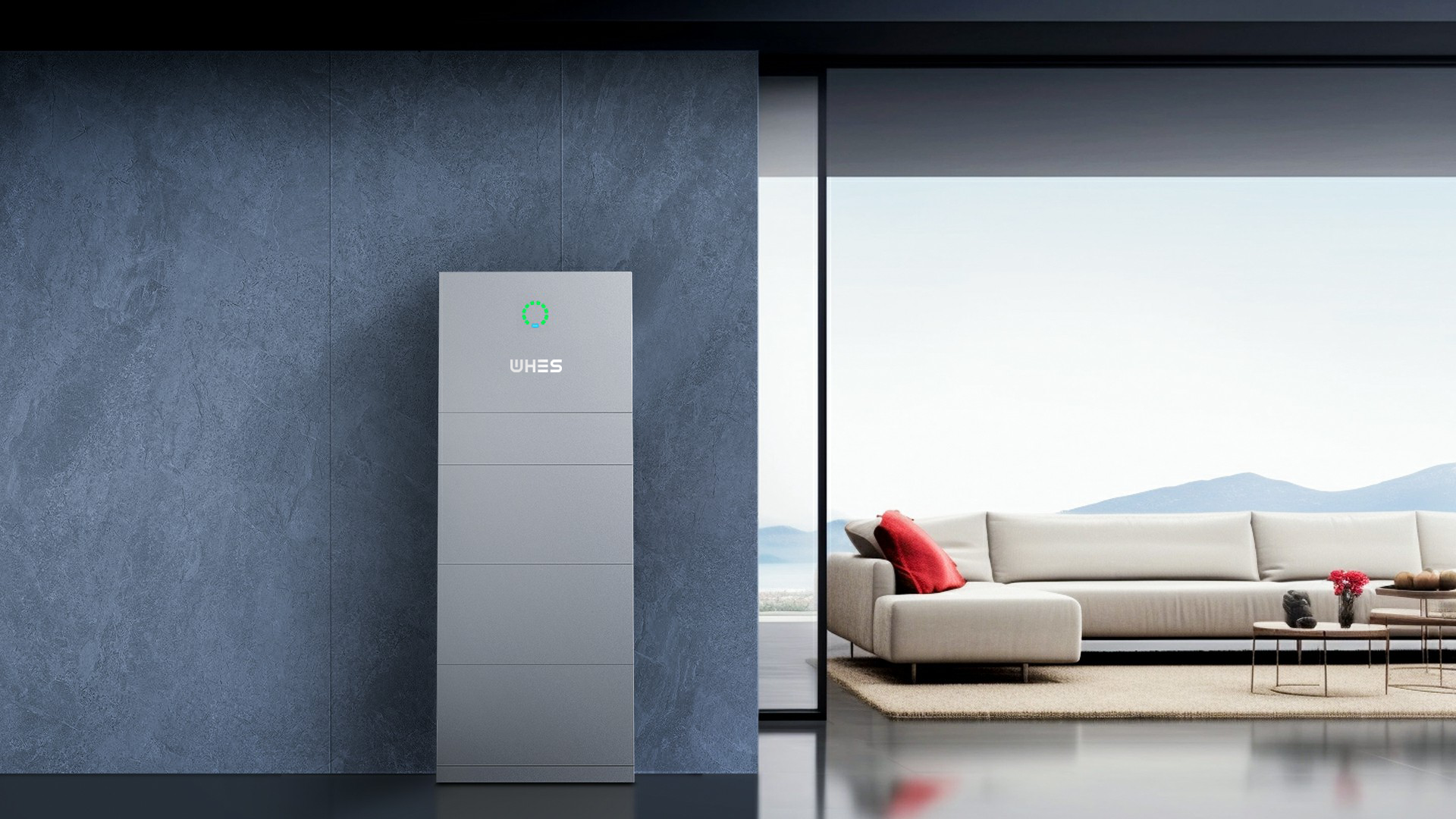
It’s common to hear that home batteries simply “fail” when the mercury rises or plunges — but that’s an oversimplification. In reality, cell chemistry, system design, and control logic work together to limit damage and preserve usable energy. For many homeowners, a modular option such as a 10kwh battery storage is the first step; scaling up to a properly engineered 20kWh system involves the same principles, just with a different margin for thermal mass and derating strategies. This piece separates myth from fact and explains what really matters when ambient temperatures spike.
Common myths about temperature and battery chemistry
Here are the stories you often hear — and the short reality checks:- Myth: “High heat instantly destroys lithium cells.” Reality: Elevated temperature accelerates aging but doesn’t cause immediate failure if protections are in place.- Myth: “Cold means no power.” Reality: Low temperature reduces available power and temporarily limits state of charge (SoC), but warming restores performance.- Myth: “All batteries behave the same.” Reality: cell chemistry, BMS tuning, and thermal management change outcomes dramatically.
How chemistry and system design respond to spikes
Battery behavior under stress is a function of electrochemistry and engineering. At the cell level, higher temperatures speed up side reactions that reduce cycle life; at very high extremes, thermal runaway is the catastrophic risk engineers design around. System-level tactics — a robust Battery Management System (BMS), active or passive thermal management, and conservative depth of discharge (DoD) profiles — mitigate those effects. A well-tuned BMS will limit C-rate and adjust SoC windows during heat waves to protect longevity while still delivering power when you need it most.
Real-world anchor: lessons from extreme events
Real incidents—like the 2021 Texas winter storm and recurring heatwaves in California—show how installation choices and grid conditions matter. Homes with batteries that had adequate enclosures, temperature controls, and clear BMS safety states continued to provide backup power or resumed normal operation quickly. Those without thermal planning faced deeper capacity loss or forced shutoffs during peak stress. These events underline that it’s the whole system (not just the chemistry) that determines resilience.
Design features that make a 20kWh system resilient
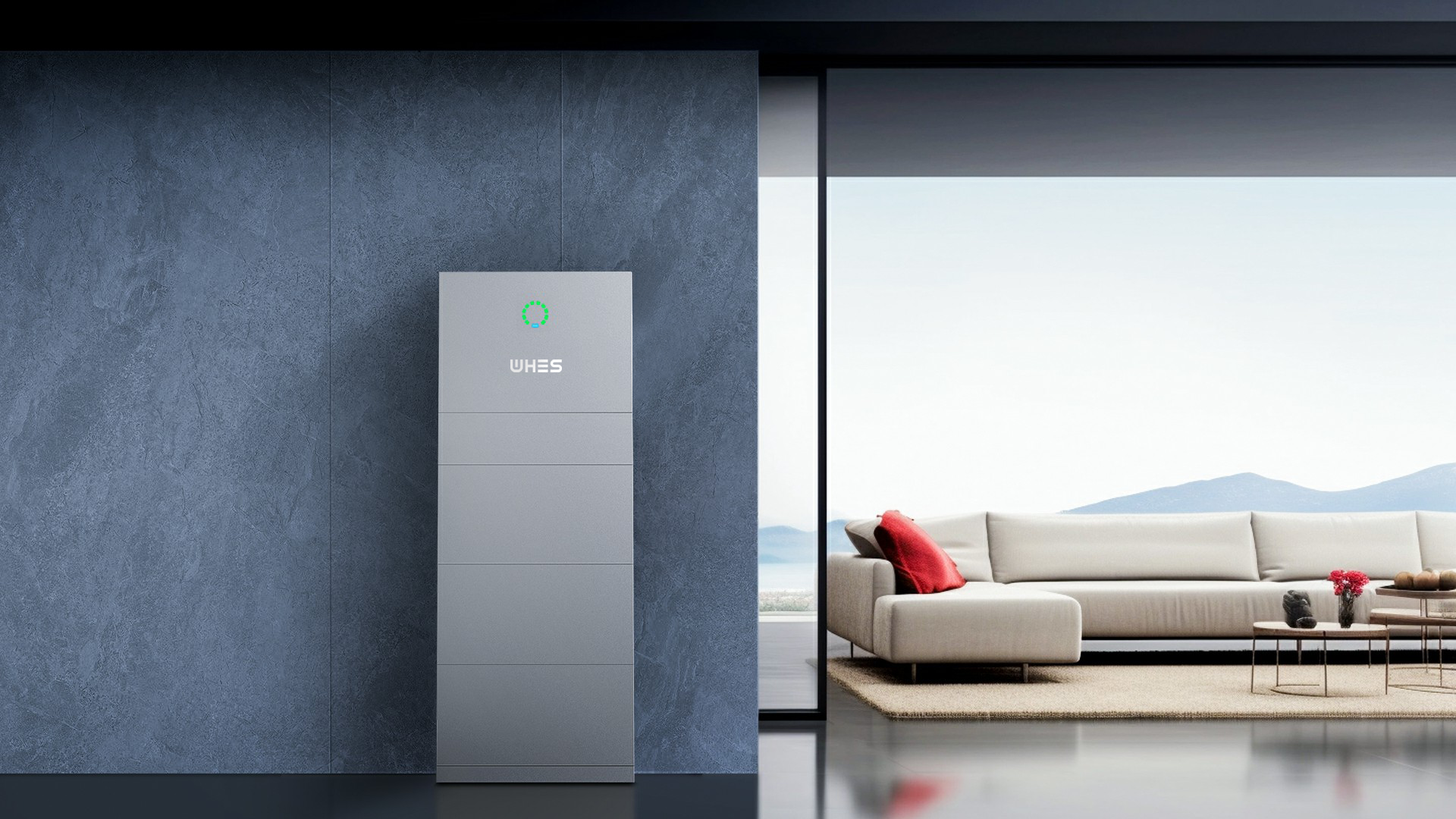
A 20kWh battery backup gains advantages and obligations. Greater total energy means more thermal inertia, but also higher stakes if something goes wrong. Useful design features include:- Thermal management: active cooling/heating or engineered passive airflow to keep cells near their nominal temperature.- Derating strategies: automatic reduction of allowable power (C-rate) at high ambient temperatures to preserve cycle life.- Enclosure standards and siting: shading, ventilation, and placement away from direct heat sources.- BMS intelligence: real-time SoC and temperature monitoring with pre-programmed safety responses.
Common mistakes installers and owners make
Two predictable errors keep showing up: placing the pack in a poorly ventilated attic or an unshaded garage, and running the battery consistently at very high SoC during heatwaves. Both raise cell temperature and shorten cycle life. Another mistake is overreliance on a single protection feature — for example, assuming passive cooling alone is enough without BMS derating. — It’s better to design multiple layers of protection than to hope one will suffice.
Alternatives and when they make sense
Not every homeowner needs a 20kWh system. Smaller systems can be cheaper to cool and simpler to manage; hybrid systems combining solar, smaller battery banks, and smart load control may offer better cost-performance in mild climates. Conversely, critical-load households or off-grid properties benefit from the redundancy and runtime a 20kWh battery backup provides. Choosing between options is about matching expected load, climate exposure, and maintenance tolerance.
Three golden rules for selecting and operating home battery systems
1) Prioritize thermal-aware ratings: ask vendors for performance curves showing available power and cycle life versus ambient temperature, not just nominal capacity. 2) Demand a transparent BMS strategy: ensure the system documents how it manages SoC, derating thresholds, and emergency disconnects. 3) Design for site realities: evaluate installation location, shading, airflow, and service access before you buy — these reduce risk and lower long-term degradation.

When you apply those rules, the technical limits of chemistry become manageable and the system delivers reliable backup without unnecessary replacement costs. For many homeowners, that practical balance is exactly what companies like WHES build into their products — sensible engineering married to clear operational guidance. —