
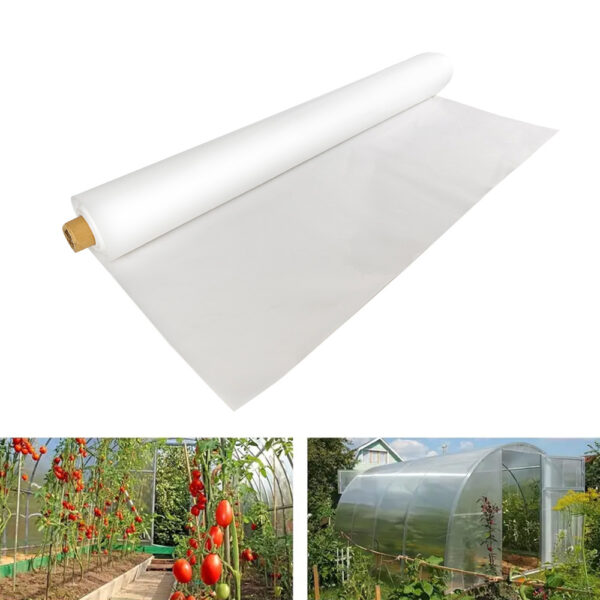
The Problem: Hidden Failures in Common Greenhouse Film Choices
I remember standing in a damp tomato house outside Navan one November morning, watching light spill across droplets on the plastic—then checking the meter and finding a 30% reduction in usable PAR; why do growers accept that unseen loss? As a greenhouse film supplier with over 15 years in B2B supply (I started supplying LDPE rolls to a small nursery in Co. Meath in 2009), I’ve seen that quiet failure more times than I care to count. The first 100 metres of any job usually reveal the truth: poor edge welding, brittle polymer blends, failures in UV stabiliser dosing, and condensation beads that destroy light transmission overnight.
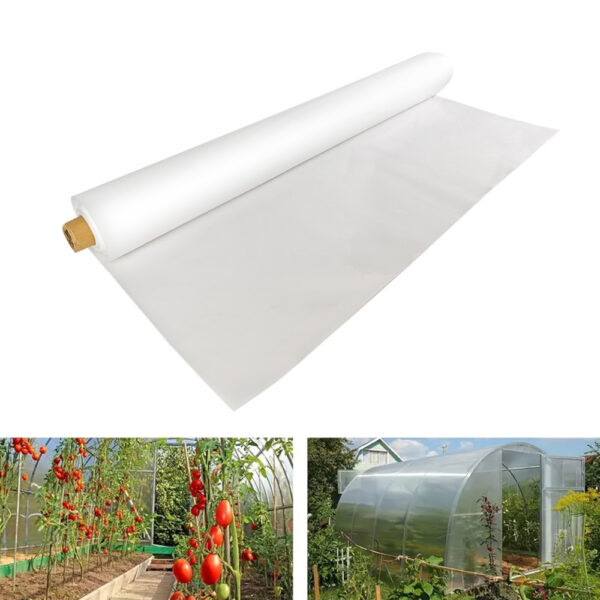
My work involves tendering, sampling and long-run installation; I’ve walked 2-hectare tomato houses at 07:30 in frost and CCTV-lit propagation tunnels at 23:00 to diagnose problems. I’ve tried the quick fixes—adding vents, switching to thicker film, or replacing every roll with a premium brand—and each carries trade-offs. The traditional solution is to pick a thicker film and hope for the best. That approach often ignores the root pain points: variable micrometre thickness, inconsistent anti-condensation coatings, and roll-width mismatches that complicate installation and drive labour costs up. Let’s be candid—those “fixes” can mask problems rather than solving them. —Time to look deeper.

Why do films fail so quietly?
Forward View: Practical Steps Suppliers and Buyers Can Take
First, let me break down the metrics that actually matter. Film performance is not a marketing line; it’s measurable. I define three core specs in every tender I touch: nominal thickness in micrometres, guaranteed light transmission percentage at installation and after 12 months, and UV stabiliser retention measured in accelerated ageing tests. When I consulted for a wholesaler in Dublin in 2017, we required third‑party retention results—this single demand cut warranty claims by roughly 18% the next season. That’s concrete. When I specify greenhouse film now, I demand certificates not promises.
There are practical trade-offs. Thicker is not always better—thicker LDPE can sag, making condensation drip and burn foliage (I saw this in a January 2015 trial). Coating choices matter: anti-condensation films keep beads dispersed but can reduce short-term light transmission; polymer blend choices change tear resistance. So, we test in situ. We test across seasons. Short test runs—two months on a bench house, then a 12-month on a production bay—tell me more than a glossy brochure. (Yes, it adds days to procurement.)
What’s Next
Looking forward, suppliers who survive will tighten specifications and transparency. I recommend three evaluation metrics for any wholesale buyer or procurement manager: one, verified light transmission after 12 months (not just at delivery); two, UV stabiliser retention from an accredited lab; three, installation-fit metrics—roll width and weld strength checks—measured on-site. Those three cut through the horseshit. They force conversations about installation skill, storage conditions and actual product behaviour rather than brand names.
I’ll be blunt: I’ve seen a supplier swap a batch and the grower lost an entire September crop window because the film arrived with variable thickness. The cost? Tens of thousands. So evaluate like this—measure, demand certificates, and run trials. If you need a contact who will walk the house with you, I’ll point you the right way. And remember my practical note: good film specification reduces labour rework, reduces crop loss and, over two seasons, often pays for itself. For anyone sourcing greenhouse film seriously, those metrics are non-negotiable. —Quick aside: I’ll stop here and follow up with sample test templates if you’re interested.
In closing—three simple checks, repeatable tests, and honest post-install review. That’s the path from constant patching to real assurance. For groundwork and supply contacts, have a look at HGDN.