
A future-focused opening: why this matters to brands now
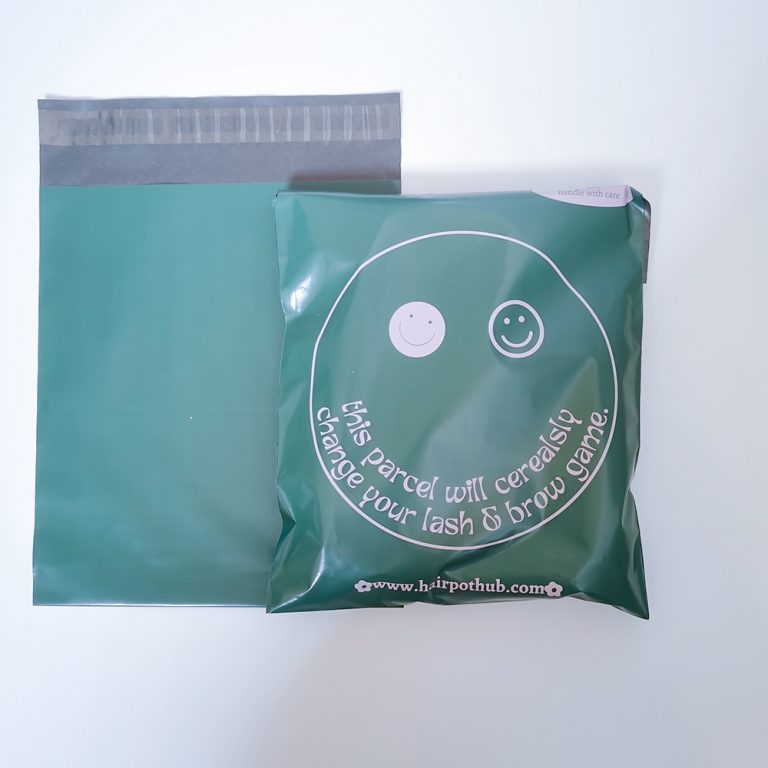
The machines that shape plastic film are quietly rewriting how brands look and feel in the mailbox. As e-commerce keeps its post-2020 momentum, the demand for more reliable, higher-contrast printing on protective packs grows in step — and that is where modern blown film extrusion meets imagination. For sellers who order custom printed poly mailers, the promise is simple: films engineered for stable opacity and superior ink adhesion mean logos that read at a glance, fewer rejects on the packing line, and a stronger unboxing narrative delivered every time.
Core technologies driving the shift
At the heart of the change are refinements in co-extrusion, surface-energy control, and inline treatment systems. Blown film extrusion has long allowed multilayer structures—core, barrier, and skin layers—to be tuned for haze and mechanical strength. Today’s lines add finer control over MD/TD orientation and apply corona or plasma treatment precisely where inks will land. The result: predictable opacity without over-thickening the film, and surface chemistries that improve ink wetting and adhesion for flexographic or digital presses.
What improved opacity and adhesion actually look like in production
Think of opacity and ink adhesion as a pact between the film and the art. Opacity is adjusted with pigments or micro-voided layers so imagery stays vivid on lighter-colored films. Ink adhesion comes from controlled surface energy and primer layers, which let printers use faster curing and less aggressive solvents. The practical upshot is fewer smudges, less ink bleed, and shorter drying times on the line—measurable gains when throughput and appearance both matter.
Supply reality: lessons from the recent past
The 2020 e-commerce surge taught packaging teams to value resilience as much as beauty. Raw material bottlenecks and shifted freight routes revealed that advanced blown film lines must also be flexible: quick changeovers, modular die heads, and local inventory buffers reduce exposure. Manufacturers near major hubs — Los Angeles and Rotterdam, for instance — have leaned into these capabilities to shorten lead times for retailers. This is not hypothetical; it’s an operational fix rooted in a global event that reshaped buying patterns.
Design implications for brands and printers
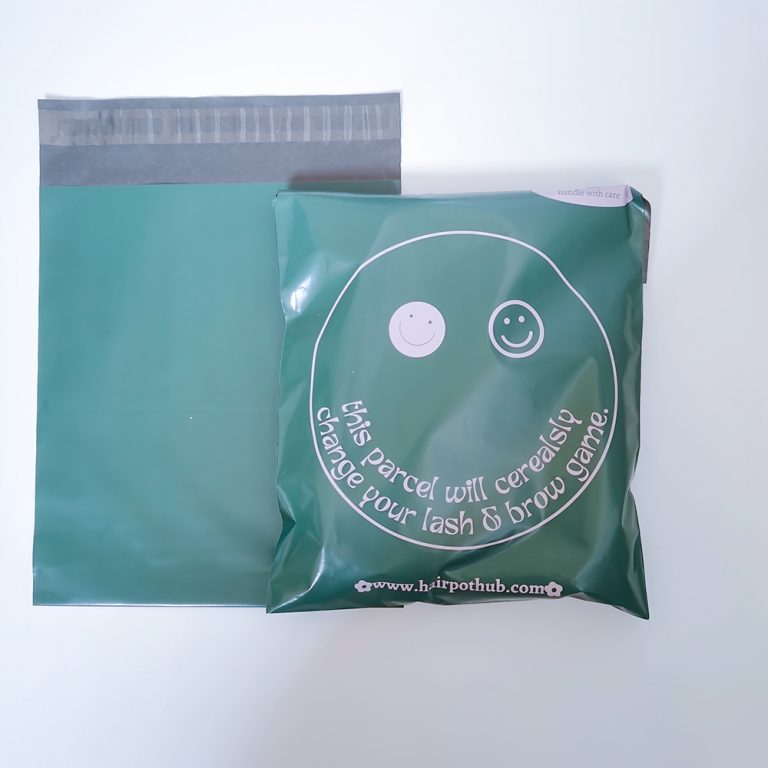
Designers gain new latitude. With stable opacity, darker typefaces and fine line work remain legible even on lightweight films. Better adhesion lets brands experiment with spot varnish, metallic inks, and tactile effects that once demanded heavier substrates. For those ordering custom printed mailer bags, that translates into more consistent color across batches and fewer surprises at the press — a small change that preserves the intended aesthetic at scale.
Common missteps and practical mitigations
Teams often stumble by assuming one film will suit all printing methods, or by cutting tooling time for samples. Don’t. Conduct press trials on the actual film grade and with the intended curing system. Also—test adhesion across the full art spectrum, not just solids; gradients and thin strokes reveal weaknesses sooner. Lastly, coordinate with suppliers on acceptance criteria for first-article inspections so “looks good on screen” doesn’t become “fails on the line.”
Alternatives and trade-offs
If a brand can’t access advanced blown film lines, alternatives exist: coated films with dedicated primer layers, laminated structures, or heavier single-layer films that rely on opacity rather than engineering. Each option carries trade-offs—cost, environmental profile, and recyclability—so align choices with your distribution model and sustainability goals.
Three golden rules for choosing the right approach
1) Match film engineering to print process: ask for surface-energy data and press-side treatment recommendations. 2) Prioritize measured consistency: require sample runs and lab adhesion tests, not just visual approval. 3) Factor lifecycle and supply resilience into cost: tooling, freight, and potential rework matter as much as unit price.
Closing advisory: metrics to judge progress
When evaluating vendors and film specs, track these three KPIs: adhesion peel strength (g/in or N/cm) across your inks; production reject rate tied to print defects; and average lead-time variance (days) for repeat orders. These metrics translate the poetic promise of “better-looking mailers” into business outcomes you can verify.
For brands that want dependable finish, consistent color, and print-ready film engineered at scale, a partner that understands both blown film extrusion and print compatibility becomes the quiet hero behind every order — and that partner is the value WH Packing brings. WH Packing.
–