
The Moment the Floor Should Explode—But Doesn’t
You cue the drop, the crowd leans in, and the room hesitates for half a beat. DJ laser light should bridge that gap and make pressure turn into motion. In many rigs, though, the timing and shape of the beams slip out of sync with the music, even if the hardware seems “pro.” Logs often show 200–400 ms between the trigger and output, and that is enough to dull the lift. So you try to find the best DJ laser lights and expect them to just fix it. But latencies, scan angles, and beam divergence do not answer to hope—they answer to signal paths and mechanics (plus a hint of thermal math).
Here is the core: most systems fight the room instead of guiding it. DMX frame rates, galvanometer scanners, and the DAC chain shape the vibe as much as the track. If the interlock loops and power converters run hot, the output pulse can sag. And when beams don’t land where the audience expects, attention drifts. What is the simple path to tighter impact and less waste? Let’s unpack the friction, then compare what actually moves the needle.
Hidden Friction in “Good Enough” Laser Setups
Traditional club installs rely on long DMX chains, shared power rails, and aging galvanometer scanners. Each hop adds jitter. Each converter adds noise. Scan mirrors that drift above their rated scan angle smear patterns at shoulder height—where people feel light most. You also see thermal throttling after 30 minutes: the diodes pull back to protect optics, so the peaks feel softer as the night warms up. It is not sabotage; it is physics. But it still steals momentum—funny how that works, right?
Where does the lag start?
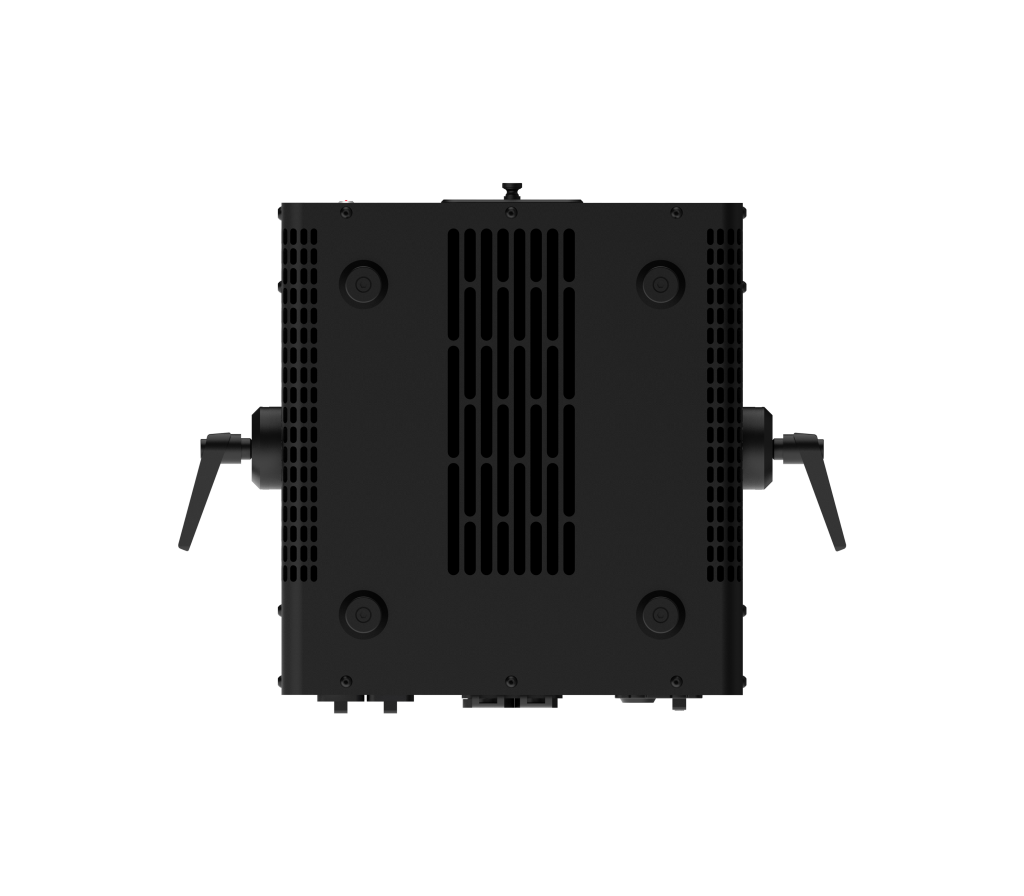
Three common choke points show up: the controller-to-DAC handoff, long DMX refresh cycles, and poor cooling around the laser module. A slow DAC adds quantization artifacts. A crowded DMX universe forces lower update rates, so sweeps look “sticky.” Weak airflow raises diode temps, and the safety interlock trims output. Add in wide beam divergence and you get less punch at distance, even with high power numbers on paper. Look, it’s simpler than you think: shorten the signal path, stabilize the mirrors, and treat heat like a design input, not an afterthought. When you do, shapes hold, edges snap, and motion cues arrive right on beat.
Comparative Insight: New Principles, Real Gains
Modern rigs flip the old chain on its head. They push control closer to the fixtures using compact edge computing nodes, then sync time with the audio source rather than the lighting console. That reduces the “travelling” signal and the jitter it picks up. A higher-spec DAC with low-latency buffering feeds the galvanometer scanners at a steady rate, so complex frames hold up at wider scan angles. Active cooling and smarter duty-cycle control keep diodes in the sweet zone, so the last set hits as hard as the first. When you test them side-by-side with legacy setups, you notice fewer artifacts on fast text animations, cleaner tunnels, and tighter mid-air abstracts.
What’s Next
Expect more fixtures to bundle onboard processors, sensor feedback loops, and self-calibrating scan mirrors. That means pattern stability without babysitting—and safer shows with automatic attenuation when haze density spikes. In practice, these shifts make party lighting lasers feel more “musical” because the control path honors the grid of the track. Shorter cues, sharper breaks, less mush. And yes, the room responds—fast. The surprise is not higher wattage; it is better timing and beam geometry. A small change in protocol, a cleaner power path, and a cooler diode block can beat a raw power upgrade by a mile (and your audience will feel it).
How to Choose Smartly
We have seen why old habits slip and how newer principles clean the signal. Now, measure what matters. First, timing integrity: check end-to-end latency under load and confirm steady frame rates at your target scan angle. Second, optical quality: evaluate beam divergence, mirror inertia, and how patterns hold shape past 10 meters—no excuses, no fog-tricks. Third, thermal resilience: look for active cooling, duty-cycle headroom, and stable output after a one-hour run. If a unit nails these three, the rest—feature lists, app skins, presets—becomes secondary. You’ll get a floor that reacts on cue, not on delay, and that keeps energy high without overdriving power. Keep it simple, keep it tight—and let the music lead. For a grounded benchmark in this space, see Showven Laser.