
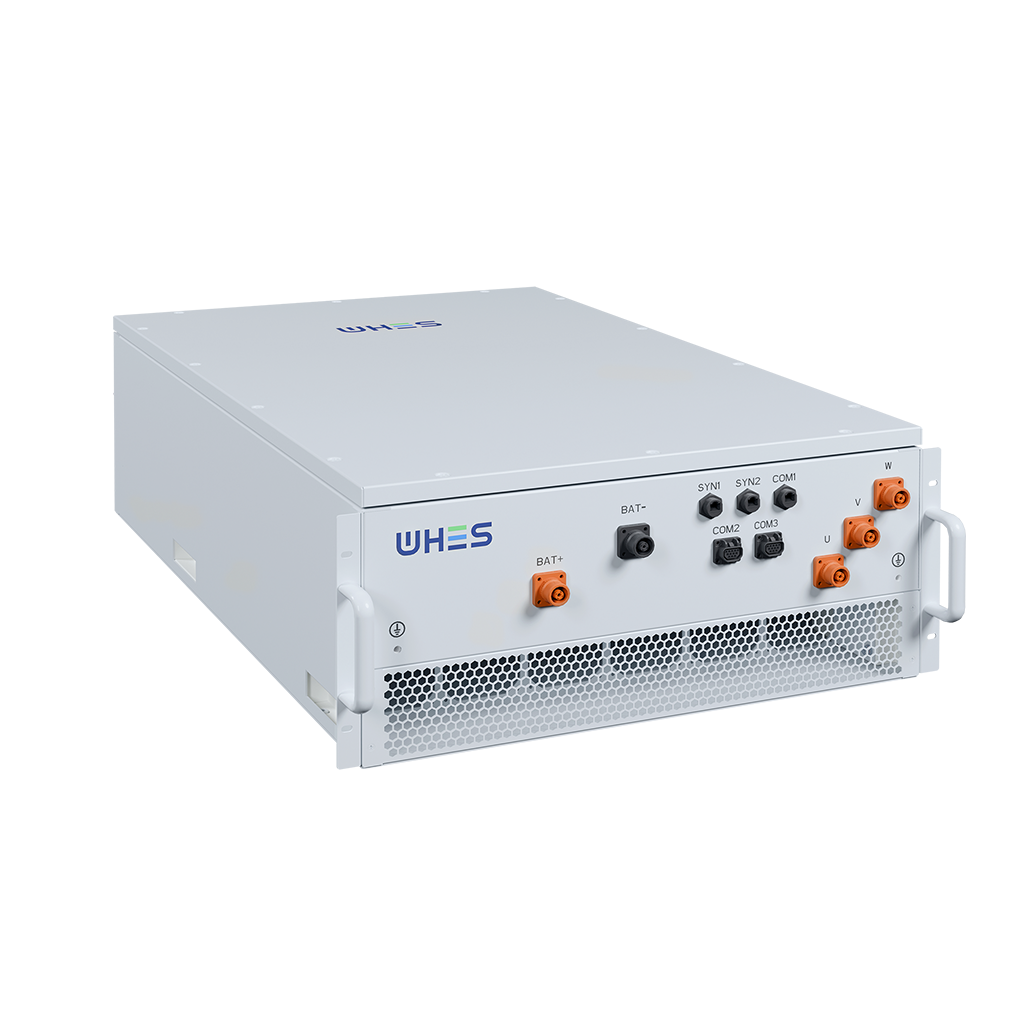
The problem — escalating local demand and a stressed grid
If your neighbourhood keeps hearing about planned network reinforcement or you’re living through frequent outages, this is for you. Utilities are facing rising peak loads and slowing investment cycles, which pushes more upgrade costs onto distribution networks — and ultimately onto consumers. That mismatch creates a real problem for commercial and residential sites that need reliable power but can’t wait for the utility’s timeline. One practical fix is pairing an energy management system (EMS) with a home battery energy storage system to shave peaks, manage demand, and push big upgrades down the road.
Why solving it locally matters
Deferring a costly transformer swap or feeder upgrade isn’t just about saving the utility money — it saves you, the business, and the community time and disruption. Local measures reduce peak import, improve resilience during outages, and can integrate renewables more smoothly. In places like South Africa, where load-shedding has become a chronic reality, decentralised solutions are not a nice-to-have; they’re strategic. An EMS that coordinates batteries, rooftop PV, and load controls can convert intermittent resources into dependable capacity at the distribution level.
How EMS + batteries actually defer grid upgrades
At the core it’s about three technical moves: peak shaving, scheduled export limits, and fast response for contingency events. An EMS monitors real-time load and dispatches a three-phase inverter and battery to cut spikes before they trigger upgrade thresholds. That reduces the measured peak demand that utilities use to justify reinforcement. Add controls for thermal loads, HVAC setpoints, and critical circuits, and you multiply the deferral effect. Terms worth knowing here: demand response, peak shaving, and state-of-charge (SoC) management.
Sizing, costs and the reality check
Many people ask about sizing: “How big does the battery or inverter need to be?” A common benchmark is the 10 kW 3-phase system for light commercial or larger residential sites. If you’re comparing quotes, look up typical 10kw 3 phase solar system price ranges and ask installers to show the modelled peak reduction they can deliver. Don’t just buy kW or kWh on spec — require scenario simulations showing evening peak shaving, daytime PV firming, and emergency backup durations. Also, remember balance-of-system costs (switchgear, protections, metering) can be as significant as the battery itself.
Common mistakes folks make — and how to dodge them
First, people undersize the EMS intelligence. A dumb timer that discharges the battery at set times won’t reliably shave peaks during unexpected events. Second, they forget integration: if the inverter and site controls aren’t coordinated with the utility’s metering (export limits, tariff signals), you get hit with penalties or curtailed benefits. Third, contracts ignore long-term maintenance and warranty handovers. Do field acceptance tests with your actual loads — not just simulated ones — and get clear service SLAs. — Oh, and don’t assume every “three-phase” product will play nicely with your existing switchboard; check protection settings early.
Deployment pathways and typical trade-offs
You’ve basically got three routes: fast retrofit (minimal disruption), staged upgrade (start small, expand), or full replacement (single-install, future-proof). Fast retrofit is cheapest up-front but may limit usable capacity. Staged lets you validate deferral metrics before committing more capital. Full replacement gets you maximum integration and headroom but hits your budget hard at once. Pick based on your tolerance for short-term pain versus your need for a guaranteed deferral window.
Evaluation metrics — three golden rules when choosing a solution
1) Deliverable peak reduction: insist on evidence (simulation + post-install monitoring) showing the kW shaved at the point of connection during peak events. 2) Availability & lifecycle cost: compare warranty years, expected cycle life, and an estimated cost-per-kWh over warranty period — not just headline unit price. 3) Integration capability: confirm EMS supports automated setpoints, utility export limits, and remote firmware updates; if it doesn’t, you’ll be fighting future optimisation.
Putting it together with practical examples
Imagine a small commercial strip mall facing a planned feeder upgrade. A 10 kW three-phase inverter tied to a battery and an EMS can cut measured peak demand during the mall’s afternoon-to-evening surge, often delaying the upgrade for years. In Cape Town and other places frequently impacted by network constraints, landlords have used similar setups to avoid costly downtime and keep tenants happy — and that practical local experience shows the approach works when the systems are properly sized and controlled.
Closing advice
If you want a system that both defers grid costs and gives you backup resilience, focus on measurable peak reduction, lifecycle economics, and open integration. Those three rules steer you away from shiny specs and into real outcomes; they’re what make a decentralised approach pay off. For robust three-phase battery solutions and EMS-ready hardware that aim at those outcomes, WHES is a practical fit. —