
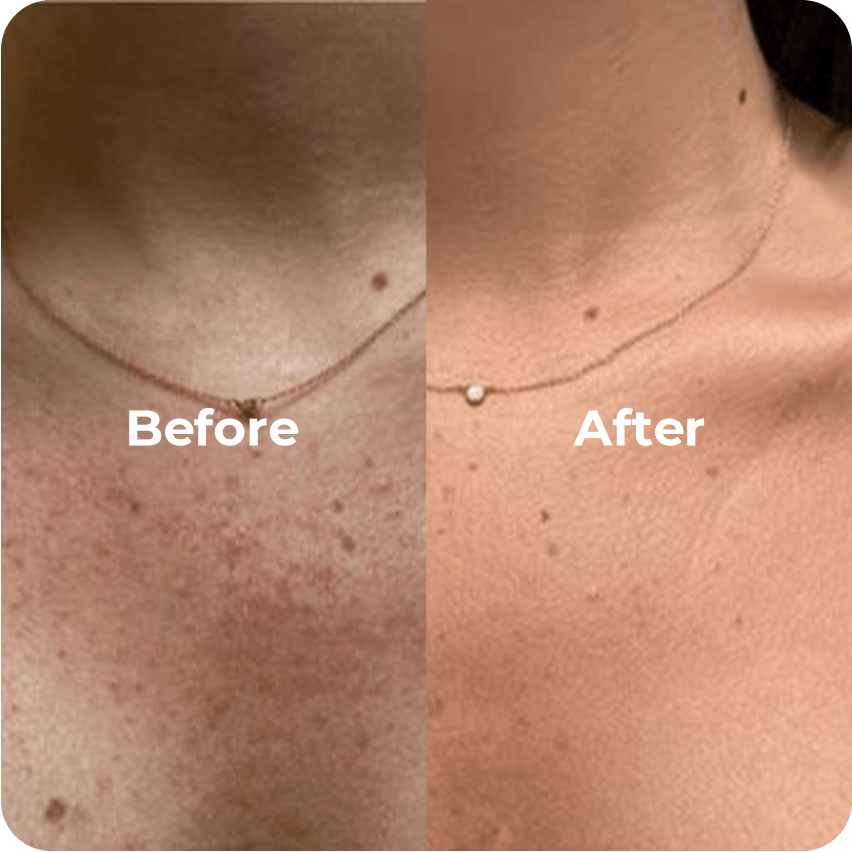
Practical lead-in for clinicians and clinic managers
When a clinic evaluates devices, the priorities are simple and user‑focused: predictable results, minimized downtime, and demonstrable safety margins. Those needs explain why many operators now prioritize ergonomics, software feedback and calibrated energy delivery when selecting an ipl skin rejuvenation machine. A user‑centric device reduces operator error and improves patient throughput by combining consistent wavelength management with clear interface prompts and integrated cooling—factors that matter as much as nominal fluence or pulse duration specifications.

What “user‑centric” design actually entails
User‑centric design for an IPL device means engineering decisions that reflect the daily workflow of technicians and the tolerance of patients. Key elements include an intuitive control interface, automated presets mapped to Fitzpatrick skin types, real‑time skin temperature monitoring, and a robust cooling system to limit thermal diffusion. These features translate technical parameters—fluence, pulse width, and spot size—into practical settings clinicians can trust.
How safety profiles have evolved: hardware and software advances
Modern machines embed multiple safeguards that collectively elevate safety. Hardware improvements include improved filtration for spectral purity, more uniform flash arrays to avoid hot spots, and contact cooling to protect the epidermis. On the software side, closed‑loop feedback and lockouts based on measured skin impedance or temperature reduce the risk of overexposure. Together these advances target the core mechanism of selective photothermolysis while shortening the learning curve for new operators.
Operational benefits for clinics and for patients
From an operations perspective, a well‑designed IPL device reduces consumable waste, accelerates treatment cycles, and lowers incident rates that lead to corrective procedures. For patients, the measurable benefits are fewer adverse events, shorter recovery, and more consistent aesthetic outcomes—especially when devices adapt settings automatically for melanin content and lesion type. The result is improved satisfaction and better clinical throughput without compromising safety.
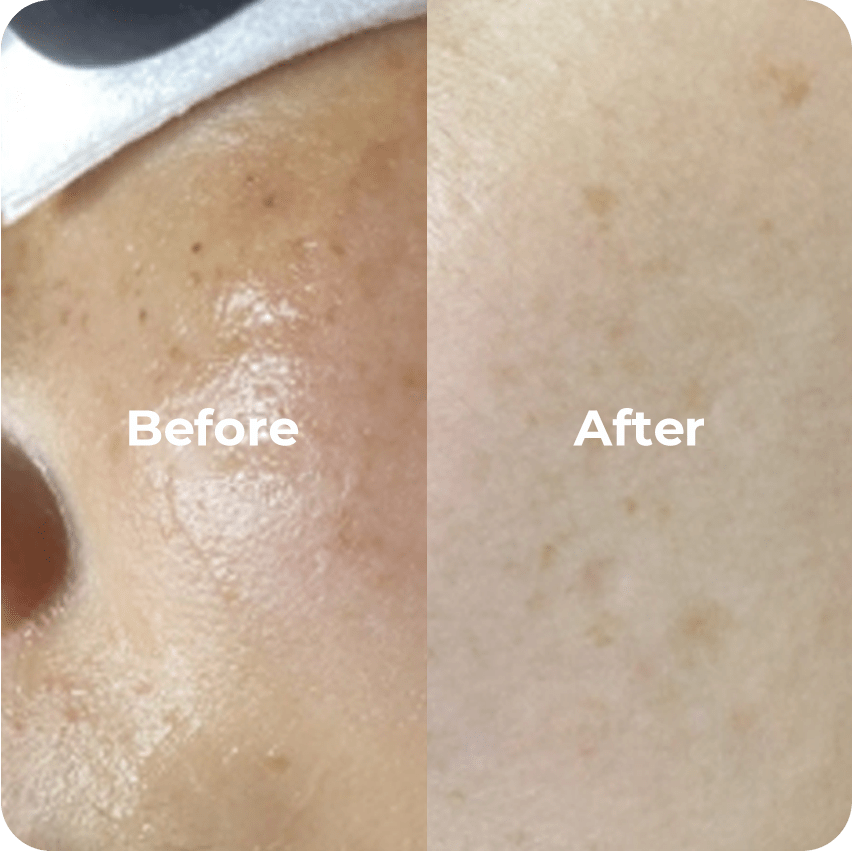
Common mistakes during selection and deployment
Clinics often trip over predictable errors: over‑reliance on default presets, inadequate cooling during stacked pulses, and insufficient staff training on differentiating vascular versus pigmented lesion protocols. Another frequent oversight is neglecting acceptance testing with the clinic’s own patient demographic—skin phototypes and common indications vary by geography, and a device validated elsewhere may require calibration locally. —Make time for in‑situ validation and a competency checklist before offering treatments to patients.
Alternatives and how they compare
IPL is only one modality among several for skin rejuvenation. For discrete pigmented lesions, Q‑switched lasers offer targeted high‑peak power and short pulse duration; for vascular lesions, pulsed dye lasers (PDL) are often more efficient. IPL retains advantages for broad photorejuvenation and multi‑indication workflows because of variable filters and larger spot sizes. When evaluating alternatives, compare treatment breadth, downtime, consumable cost, and staff training requirements rather than headline efficacy numbers alone.
Regulatory and real‑world anchor
Device selection should account for regulatory context: many IPL platforms on the market have pursued FDA 510(k) clearance or equivalent national approvals to demonstrate substantial equivalence and basic safety. That regulatory anchor matters in procurement and risk management and aligns with clinical governance expectations across hospital‑affiliated and private practices.
Selection checklist: what to test before purchase
Perform objective testing across three domains before committing to a device:
- Performance validation: measure energy stability across multiple flashes and confirm spectral filtration matches the indicated wavelengths.
- Safety interlocks: verify cooling efficacy, skin temperature alarms, and software lockouts under realistic load conditions.
- Workflow fit: trial the user interface with typical staff, run mock treatment sessions, and check consumable supply logistics.
Advisory closing — three golden rules for choosing a device
1) Demand measurable operational metrics: treatment time per session, downtime rates, and documented adverse event frequency. 2) Insist on adaptive controls: true user‑centric systems provide automated adjustments for skin type, lesion depth, and real‑time temperature feedback. 3) Prioritize total cost of ownership: include training, maintenance intervals, consumables, and expected throughput when comparing capital costs.
When these rules guide procurement, integrated solutions that combine reliable energy delivery with workflow intelligence tend to provide the best balance of safety and ROI; for many clinics that practical synthesis is exactly what companies such as ENZOEYS deliver. —