
The Night the Guides Failed
I was late on a Friday in a cold Cambridge lab when our CRISPR/Cas9 run started producing odd indel patterns—an all-too-familiar sign that our guides had betrayed us. sgRNA Synthesis had looked routine on paper, yet the practical result was brutal: an on-target rate that slid from 82% to 60% in a single batch (April 2022), so where do you begin when reproducibility collapses and experiments become a gamble? I remember swapping suppliers, switching from hand-ordered oligonucleotide synthesis to a bench-scale in vitro transcription protocol—no kidding, I logged every step in a notepad on April 15th—and still saw persistent off-target effects and uneven sgRNA purity. The pain point was never just a number; it was cancelled runs, delayed grant reports, and a junior postdoc staring at failed plates.
What went wrong?
I’ll be blunt: most “standard” fixes ignore the hidden fractures—poor template design around PAM sites, variable nucleotide modifications, and sloppy purification. I’ve watched teams assume supplier QC meant usable guides; it doesn’t. We once ordered a “high-fidelity” batch that reduced off-target edits by only 8% while doubling turnaround time. That taught me to measure the right things: yield, sequence fidelity, and functional activity in a cell assay—not just mass or HPLC traces. These are the traditional solution flaws: textbook protocols that treat sgRNA Synthesis as modular and forgiving, when in reality small shifts in oligonucleotide synthesis chemistry or residual dsRNA can wreck an experiment. Below I compare the paths we took—and why some still feel like band-aids.
From Diagnosis to Decision: Choosing Better Guides
At its core, sgRNA Synthesis balances sequence design, chemical synthesis, and purification to produce a guide that delivers predictable editing with CRISPR/Cas9. By “core” I mean measurable variables: guide sequence fidelity, the presence of truncated species, and the ratio of active to inactive molecules. I define those terms when I train new lab members; we run a small in vitro transcription control and a quick nuclease assay before moving to cells. That upfront definition saves weeks later. I’ve learned to demand vendor batch traces, compare synthesis chemistries, and run a simple cell-based functional test—three steps that weed out the worst failures early.
What’s Next?
Looking forward, the comparison is stark: DIY bench synthesis (fast, cheap, variable) versus vetted commercial workflows (slower, costlier, more consistent). I favor a hybrid: in-house pilot synthesis to validate designs, then scale with a trusted supplier once functional performance is confirmed. For procurement folks, here are three evaluation metrics I use when choosing a path—practical, measurable, and non-fluffy: 1) Functional editing rate in a standardized cell line (% on-target across N≥3); 2) Reported and verified sgRNA purity (percent full-length by capillary electrophoresis); 3) Supplier transparency on synthesis chemistry and QC traceability. Use those, and you cut the guesswork.
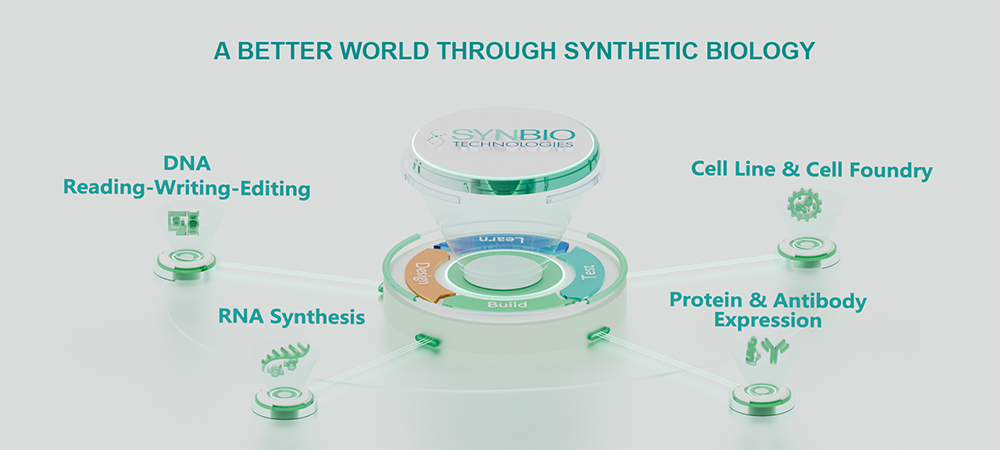
We still have gaps—unexpected chemical byproducts, batch-to-batch drift—so keep testing. My last interruption—two runs in June that failed because of a simple buffer pH change—reminded me: vigilance matters. Evaluate suppliers, run your quick functional checks, and favor traceability over claims. For us, that approach reduced wasted runs by roughly 40% in the 18 months after we tightened criteria. I mention this because numbers matter here; they buy time and sanity. For practical sourcing and synthesis options, I look at vendor QC reports and matched functional data before signing a PO. That’s how I work. For more resources and supplier info, see Synbio Technologies.