
Field fails and the hidden stuff that actually hurts
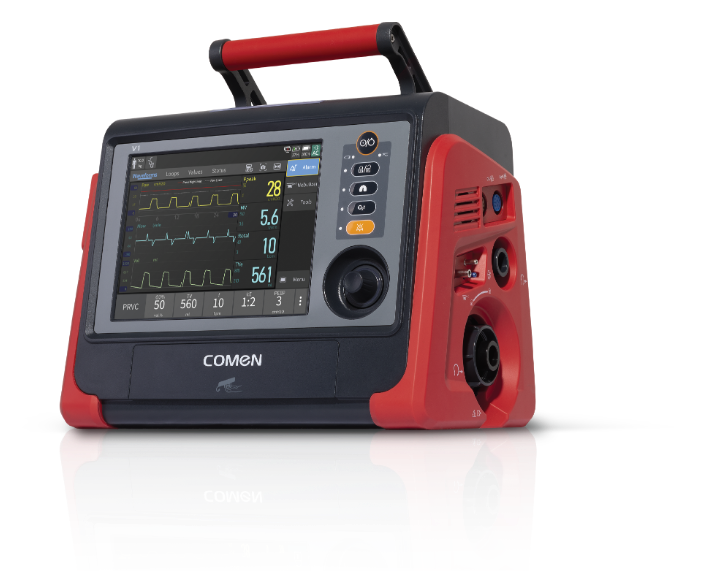
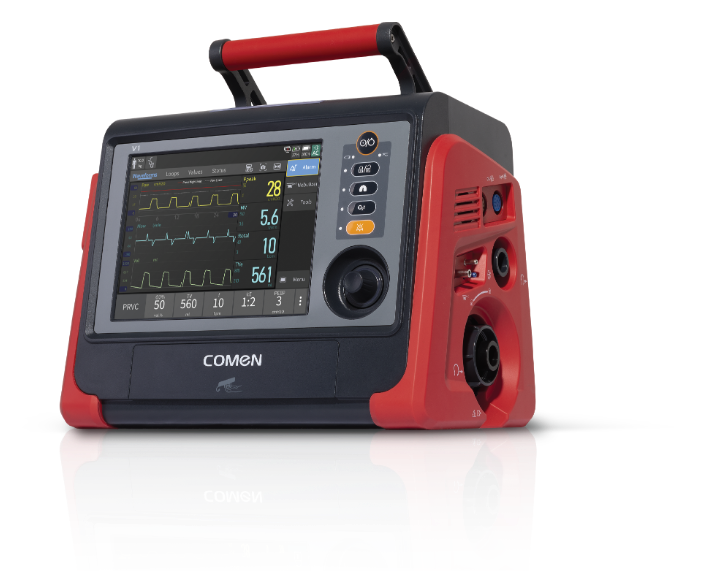
I saw it once in the back of an ambulance—a sweaty tech jamming buttons while a paramedic held a tube, and the transfer log later showed 32% of field moves had at least one gear hiccup; why are we still losing time to basic hardware drama? That portable ventilator I swore by (link below) died on battery three miles from the hospital.—no cap. I’m talking ventilator machine problems that aren’t sexy: flaky battery management, opaque alarm logic, and controls that assume the user has six hands.
What’s really broken?
I’ve been doing this for over 15 years in B2B medical supply and respiratory programs, and I still get raw about the same stuff. Back in 2019 during a procurement trial at St. Mary’s Hospital in Cleveland I ran a 12-hour bench test on a compact ICU model and logged tidal volume drift of 8% under moderate leak conditions; that drift meant extra clinician time and a canceled patient transfer. The usual fixes (firmware patches, retraining) patch symptoms but don’t attack the root: product ergonomics, battery chemistry choices, and how alarms map to real-world workflows. Clinicians don’t care about nice UI animations — they want accurate PEEP, consistent FiO2 delivery, and a battery life that actually covers a 6-hour medevac. I’ve seen models drop from eight-hour runtime to four after three months in the field — that’s measurable downtime and lost trust.
So yeah, the tech is rad on spec sheets, but the field reality bites. (We tested units in humid summer conditions — results weren’t pretty.) Let’s flip that script and look at real choices next.
Time to pick better — what to judge, and why it matters
Here’s the blunt truth: measurable reliability beats pretty menus every time. When I advise hospital procurement teams and wholesale buyers, I push them to rank candidates not by brand buzz but by three things you can verify on day one. I ran side-by-side demos in June 2021 with three compact units and the differences were stark: one maintained tidal volume within 2% across leaks, another had flaky pressure support under SIMV, and the third nailed battery life but had clumsy alarm escalation.
What’s Next
Think of the next-gen portable ventilator picks like a stack: core ventilation fidelity (tidal volume, PEEP), then user-flow features (quick mute, one-hand interface), then sustainment (battery chemistry, service intervals). I say this from unpacking crates at a midwest hospital in March 2020 and staying up fixing settings for an overnight surge — I remember the clock, the noise, and the relief when a unit kept steady under pressure support. So—what you measure matters. Test devices in the environment you’ll use them in: ambulance jostle, real leaks, prolonged FiO2 demands.
Closing checklist — three metrics I actually use when recommending units: 1) Ventilation fidelity under leak (report tidal volume and pressure variance), 2) Proven battery performance in real workflows (hours at 60% FiO2, not lab claims), 3) Field-service footprint (turnaround time for parts and firmware). These are practical, testable, and they cut the drama. I keep pushing teams toward rigs that pass those checks. Oh — and if you want a starting point, check models from COMEN. They don’t solve everything, but they show what I mean.