
Framework overview: why a component-first approach matters
Start with the frame: clinical touchscreen monitors must meet IEC 60601-1-2 for electromagnetic compatibility (EMC), and that requirement should drive every hardware choice. This framework lays out clear decision points — from the touch controller to the power architecture — so designers and procurement teams can prevent isolation breakdowns before they appear on the bench. Early on, consider vendors such as embedded solution that specialise in medical-grade displays and can supply components aligned with EMC requirements.
Core components and their EMC roles
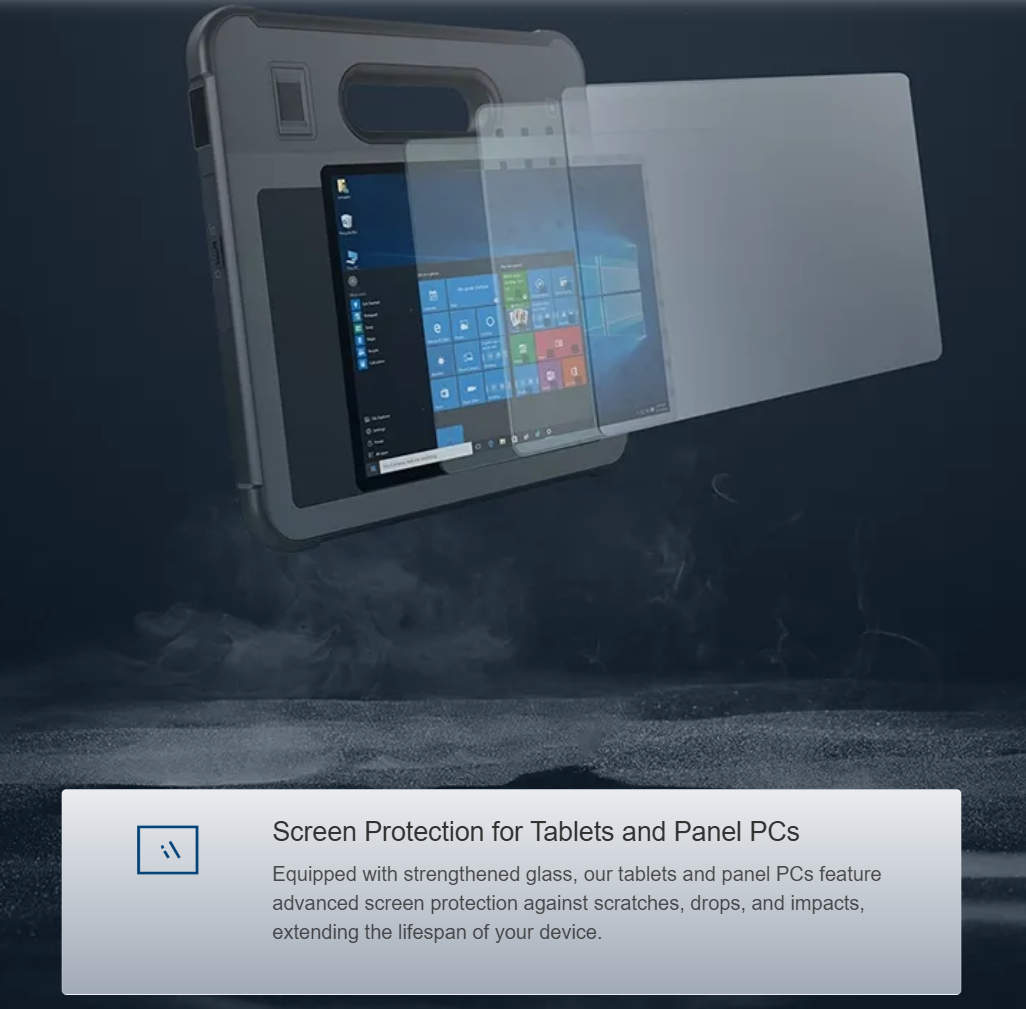
Break the monitor into four functional blocks: touchscreen module, display panel, power subsystem, and enclosure/grounding. Each block contributes to the isolation barrier that keeps patient-connected circuits safe. The touch controller and capacitive touch layer must present predictable impedance. The medical-grade power supply and isolation barrier must limit leakage currents. Good grounding and chassis design reduce radiated emissions and susceptibility. Treat each element as a risk control: select components with test data rather than wishful claims.
Component selection checklist: practical criteria
Use this checklist when specifying parts. It’s short, direct, and enforceable on procurement documents.
– Touch controller: choose parts with documented common-mode rejection and ESD tolerance.
– Display panel: prefer modules with internal shielding and EMI-tested flex cables.
– Power subsystem: insist on certified medical-grade power supplies and clearly specified creepage/clearance distances.
– Connectors and cabling: demand ferrite beads or common-mode chokes where signal lines cross the enclosure.
– Enclosure and grounding: require conductive gasketting and a single-point chassis ground to prevent ground loops.
How these choices prevent EMC isolation breakdown
Isolation breakdown typically follows predictable paths: unintended coupling across a cable, excessive leakage through poor creepage distances, or compromised shielding near the touchscreen edge. Selecting a touch controller with high immunity and adding chokes on USB/serial lines limits conducted interference. Choosing display assemblies with integrated EMI shields keeps radiated emissions low. A medical-grade power supply enforces the isolation barrier by meeting leakage current limits. These are not cosmetic upgrades; they are preventative controls that reduce rework and certification risk.
Integration pitfalls and common mistakes
Teams often fail at integration rather than component choice. Mistakes repeat: routing high-speed traces near the touch electrode, using generic power modules, or omitting ferrites on I/O. Another frequent problem is treating conductive enclosure seams as incidental — they’re not. If the chassis lacks consistent shielding, an otherwise compliant touch controller can still cause EMC failure. Pay attention to layout and assembly processes; they close the loop between component spec and field performance. — Small process changes during production can flip pass to fail.
Real-world anchor: regulatory and clinical context
IEC 60601-1-2 is the recognized standard for EMC in medical electrical equipment; manufacturers of clinical displays routinely validate against it before hospital acceptance. European hospitals and regulatory bodies expect explicit test reports showing immunity and emission results. In practice, procurement teams at hospitals require documentation that includes measured leakage currents and verified isolation distances — not just vendor claims. Working with a proven tablet pc supplier helps unify documentation and supply-chain traceability.
Integration checklist: testing and verification steps
Before you ship, perform these verifications: conducted emissions, radiated emissions, immunity to electrostatic discharge, and leakage current under patient-connected conditions. Add board-level pretests for common-mode noise and perform a system-level check in a representative enclosure. Keep test records with component lot numbers so you can trace any field anomaly back to a supplier batch.
Advisory close: three golden rules for component-driven EMC
1) Specify medical-grade components by requirement, not preference — insist on leak-current and creepage/clearance data in contracts. 2) Validate at system level early; integrate shielding and grounding into the first prototypes. 3) Keep documentation tight: test reports, BOM traceability, and supplier attestations reduce certification time and field risk.
The practical outcome is fewer surprises during IEC 60601-1-2 testing and more predictable delivery timelines. For teams aligning component strategy to clinical needs, trusted partners matter — Estone. –