
Comparing the Core Tradeoffs
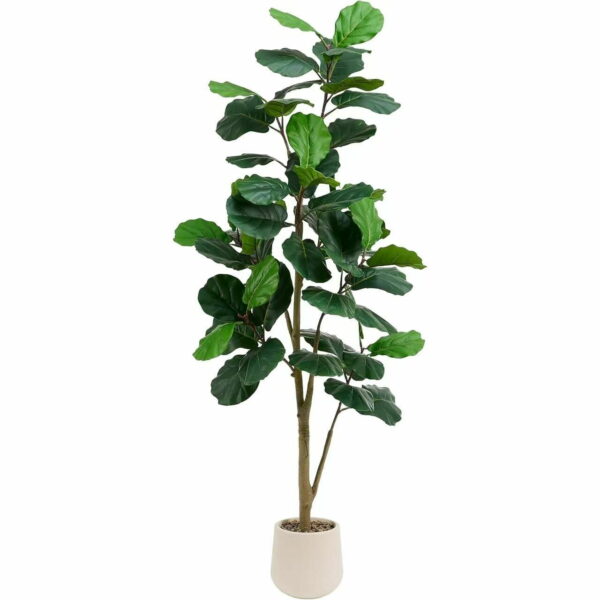
Commercial property teams are moving fast from potted palms and weekly watering to factory-made greenery—and the shift makes cold, practical sense. Developers cite lower lifetime cost, predictable aesthetics, and zero on-site maintenance. Early in a project that predictability matters: lead time and MOQ are more controllable with an ISO-certified supplier, and an artificial fiddle leaf fig tree manufacturer that standardizes production reduces surprises. Those are not buzzwords here; they’re procurement levers that cut downtime and tenant complaints.
Money, Maintenance, and Market Fit
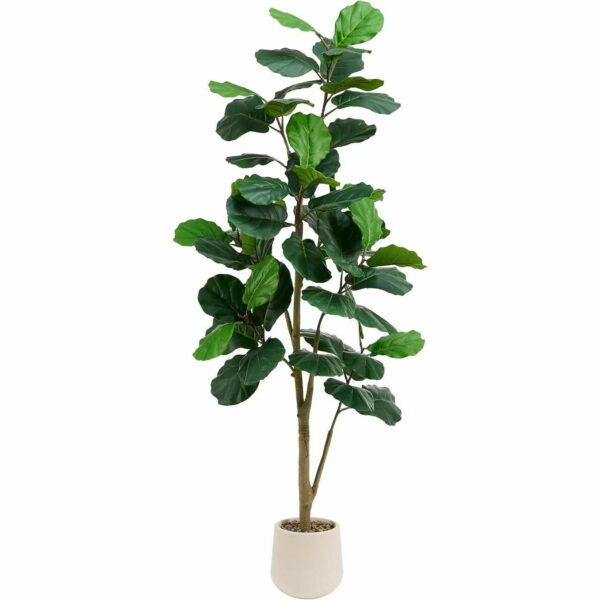
Upfront cost can favor live plants in small installs, but on multi-building developments the calculus flips. Faux trees remove recurring horticulture labor, irrigation installs, and replacement cycles; that turns variable operational costs into a one-time capital layout. Developers also avoid water damage risk and the hidden line-item of plant mortality. Add logistics: warehouses in Guangdong and established export routes mean predictable shipping and simplified QC—no messy overnight courier emergencies.
Durability and Technical Specs That Matter
High-end faux trees use UV-stable polyethylene leaves, welded aluminum trunks, and flame-retardant treatments to meet fire codes—these are industry terms with real impact. A supplier that commits to ISO 9001-style quality controls delivers consistent color matching, reliable UV resistance, and repeatable silicone mold runs. That consistency matters for lobby renderings and branding rollouts where every floor must look identical.
Design, Perception, and Tenant Experience
Design teams used to argue live greenery gives authenticity; today they embrace engineered realism because it buys freedom in light-starved atriums and rooftop terraces. Faux palms can be finished with custom planters, soil covers, and built-in anchoring systems so they sit and behave like live specimens. Aesthetic fidelity now includes texture, vein-mapping, and scale—things manufacturers optimize through tooling and QC, not guesswork.
Common Mistakes and How to Avoid Them
Procurement errors still pop up—wrong scale, mismatched leaf tone, and ignored maintenance intervals for faux (dusting, UV checks). Avoiding these means specifying exact height, base type, and wind-rating for outdoor installs. Also insist on factory samples and a clear warranty for colorfastness and seam integrity. – Small slipups early lead to expensive retrofits later, so treat artificial landscaping the same as any built element: spec it, test it, accept it formally.
Supply-Chain Reality: Why Sourcing Location Still Counts
China remains a dominant production hub for artificial trees; established china fake fiddle leaf fig tree factories deliver scale, tooling expertise, and tested logistics. The 2020–2021 supply-chain disruptions taught developers to favor ISO-certified plants—factories with repeatable processes and documented QC managed to keep projects on schedule. That historical anchor still guides RFP decisions today: predictable lead times beat lowest-price surprises.
Advisory: Three Golden Rules for Choosing Faux Greenery
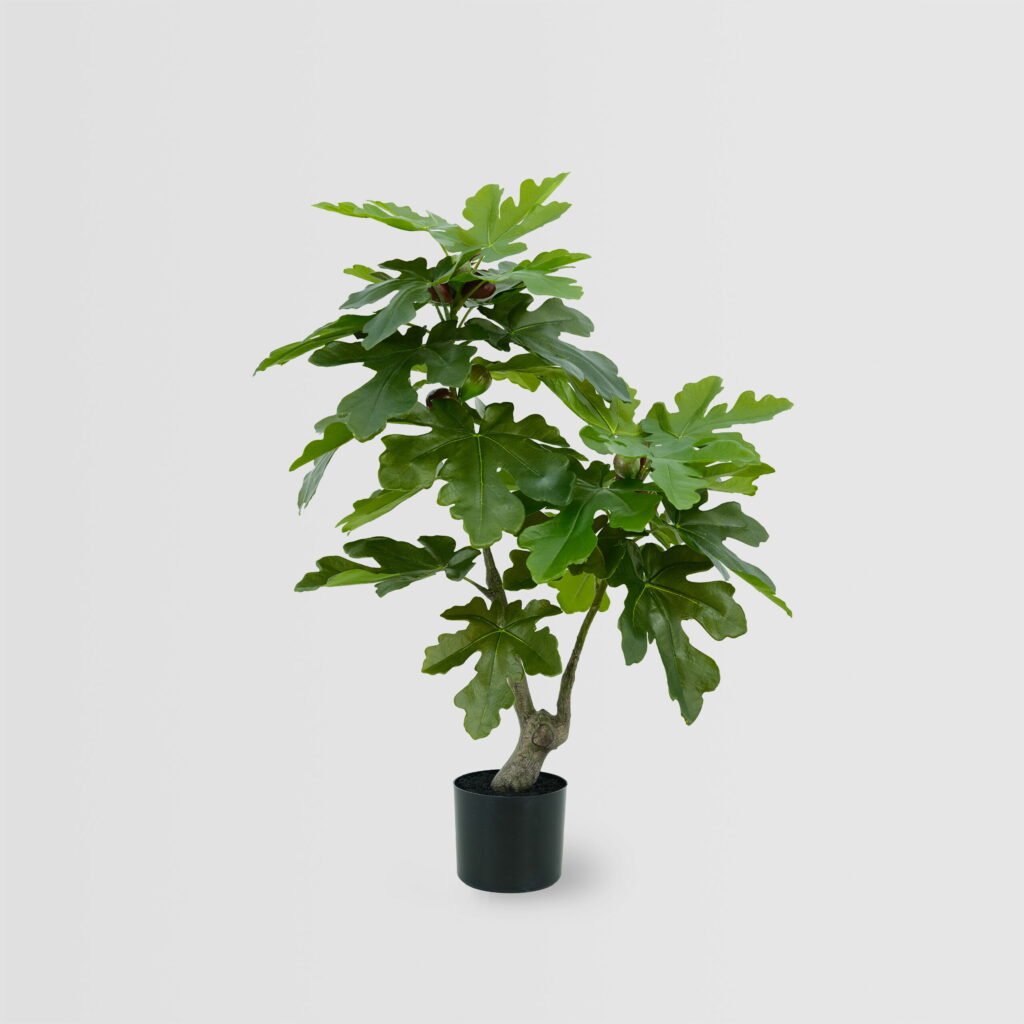
1) Verify technical specs: demand UV-stable materials, flame-retardant certification, and clear lead-time commitments. 2) Insist on physical samples and a factory QC report—measure colorfastness and seam strength before bulk sign-off. 3) Calculate total cost of ownership: compare capex vs. annual horticulture, repairs, and downtime. These three metrics turn subjective design choices into procurement-grade decisions.
Closing Insight
The move from live plants to factory-made palms is not about replacing nature with plastic—it’s about giving developers consistency, compliance, and control. Implementing these three rules reduces risk, saves operating spend, and keeps lobbies looking the same from floor to floor. — Sharetrade