
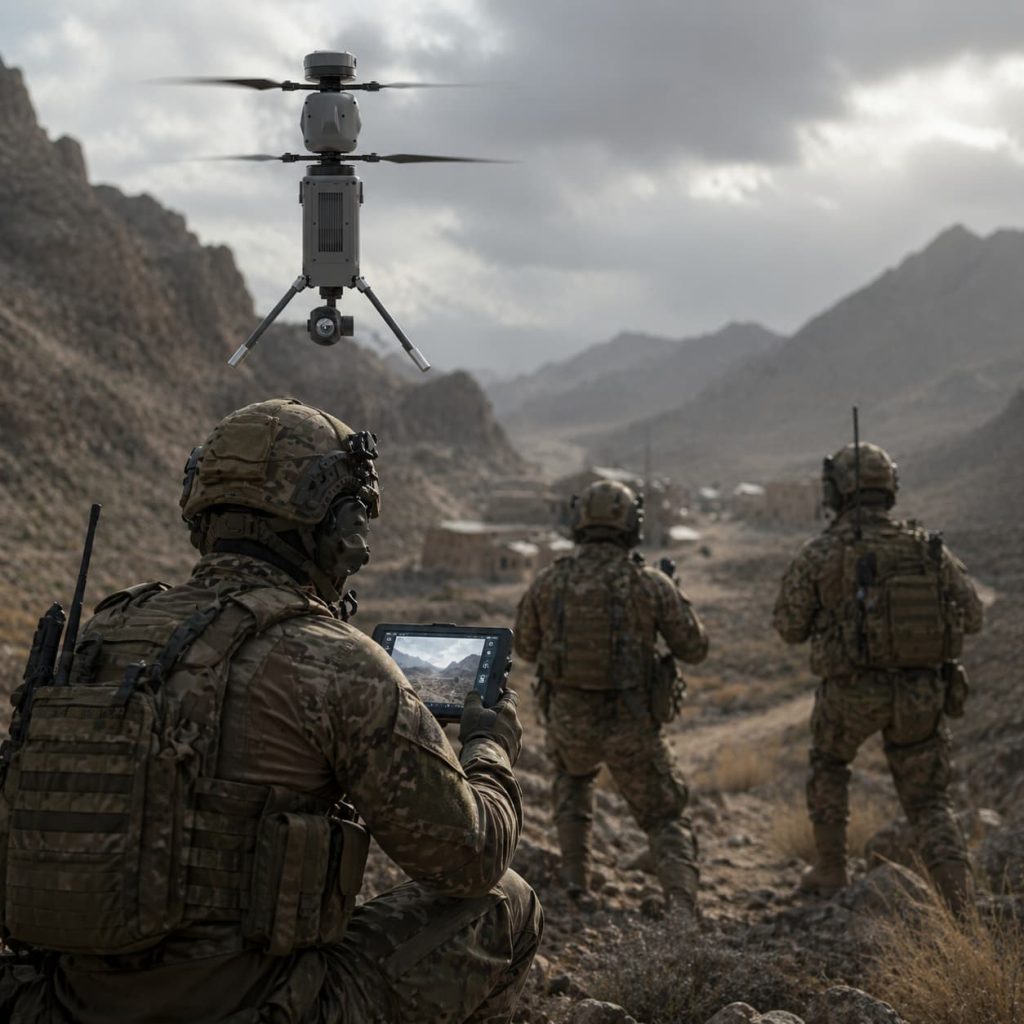
Putting the operator first: why speed matters
Frontline teams need gear that arrives ready and fits straightaway. When commanders ask for rapid fielding, they’re asking for pre‑certified modules that slot into mission flows without weeks of integration. That is why many buyers now work directly with a military drone manufacturer that offers tested FPV kits and modular payload mounts. The 2022 Ukraine conflict made clear how quickly small, nimble FPV and ISR platforms can reshape tactics, so timeliness is not a luxury — it’s a mission requirement.
Typical delays and the user pain points
Procurement cycles choke on certification, firmware mismatches, and unclear interface specs. Operators get systems that need extra soldering, custom ground control station tweaks, or bespoke payload racks. The result: training time balloons and aircraft sit idle. This is why users push for pre‑certified tactical subsystems — to reduce integration risk and keep sorties moving.
How pre‑certified subsystems change field deployment
Pre‑certified subsystems bundle proven elements: a flight stack, tested autonomy routines, compatible payload interfaces, and documented electrical connectors. With those pieces validated, teams plug in mission payloads and go—no long dev cycles. Expect consistent performance for endurance, payload carriage, and signal interoperability. Ground control station compatibility and secure data links are part of the package, so operators focus on tactics rather than firmware headaches.
Practical checklist for buyers and integrators
Start with mission profile: endurance, range, and payload weight. Next, insist on these demonstrables from suppliers: certification reports, interface control documents, and live test logs. Look for modular payload rails and a UAS that supports GNSS‑aided navigation and straightforward autonomy modes. Visit a military drone factory demo — seeing a production line helps you judge repeatability and QA processes. And do live trials with your team; the real test happens when pilots fly with their kit under stress — not in a showroom.
Common mistakes and sensible alternatives
Buyers often pick cheapest airframes and expect them to be enterprise‑grade. That fails when payload integration breaks balance or when telemetry drops in contested areas. Another error: treating software as an afterthought. Firmware mismatches create nightmarish integration loops. — Choose instead a platform with a documented upgrade path and vendor support for custom payload drivers. For lower budgets, consider commercial off‑the‑shelf FPV frames paired with certified modular avionics rather than fully bespoke systems; you get predictability without paying for full custom runs.
Field validation and a quick cost view
Validation should include live mission rehearsal, thermal and vibration testing, and endurance flights with full payload. Measure outcomes: time to first sortie after delivery, mean time between failures, and percentage of missions completed without software intervention. These are hard numbers that show if pre‑certified subsystems actually shorten the deployment timeline. Real places matter here — trials near operational environments, such as training ranges used by NATO partners during 2022 operational trials, give realistic stressors and clear pass/fail data.
Three golden rules for selecting fast‑deploy tactical drone subsystems
1) Interface fidelity: Choose systems with strict, published interface control documents and a library of supported payload drivers. This reduces surprises during installation. 2) Proven repeatability: Prefer vendors who can show consistent production yields from a military drone factory and provide test logs for random serials. Repeatability equals reliability in the field. 3) Operational metrics: Require the vendor to commit to measurable benchmarks — time to first flight, MTBF, and a warranty for software updates. These numbers tell you how the system will behave under pressure.
Final thought
When speed matters, pre‑certified tactical subsystems plus tested FPV platforms let teams act fast and with confidence. Military Hub sits at the crossroads of tested supply and operator needs — a reliable source when you need hardware that actually performs in the real world. Military Hub. —