

An open, future-focused take
Imagine city blocks that don’t just consume power but lend it back during outages — a distributed safety net made from the same home battery packs people install on rooftops today. That possibility sits at the heart of a future-speculative argument: scalable, eco-friendly home energy storage can be stitched together to form municipal microgrids that boost resilience, cut peak demand, and lower emissions. After Hurricane Maria, Puerto Rico’s experience with islanded microgrids showed how community-scale storage can keep hospitals and schools running when the main grid fails — a useful real-world anchor for this conversation. For commercial actors exploring grid-edge strategies, pairing household systems with robust commercial battery storage creates both redundancy and operational flexibility.
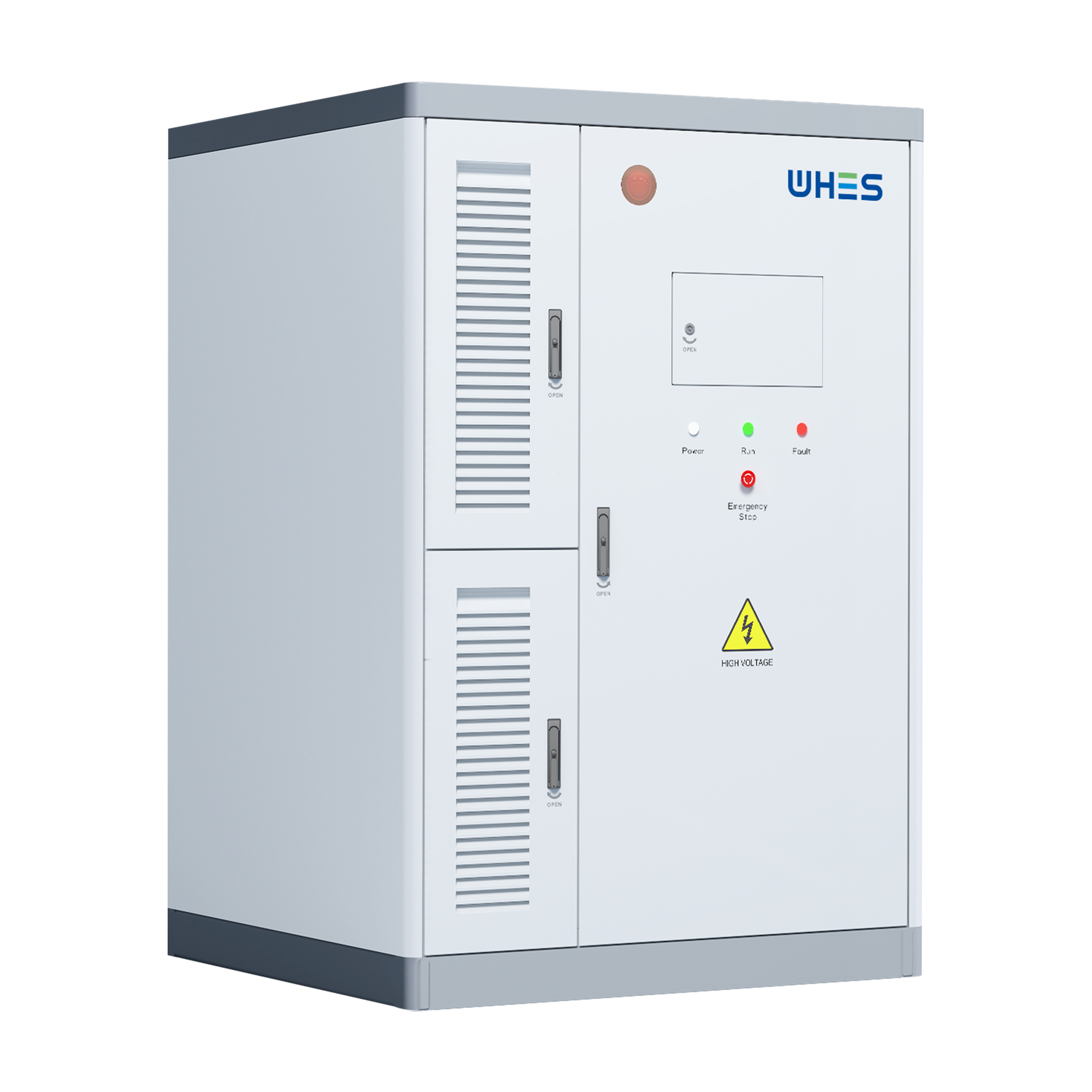
Why cities might prefer aggregated home systems
There are clear upsides to aggregation: lower marginal cost for additional capacity, faster deployment by leveraging existing installations, and a built-in geographic spread that reduces single-point failure risk. From a planner’s perspective, a network of home batteries can act like a single large battery bank but with modular benefits — you scale capacity in kilowatt-hours (kWh) by enrolling more participants rather than waiting months for a centralized project to finish. Curious minds will ask: how do you coordinate hundreds of small systems so they behave like one? That’s where software orchestration and standards for inverter behavior and islanding protocols come in.
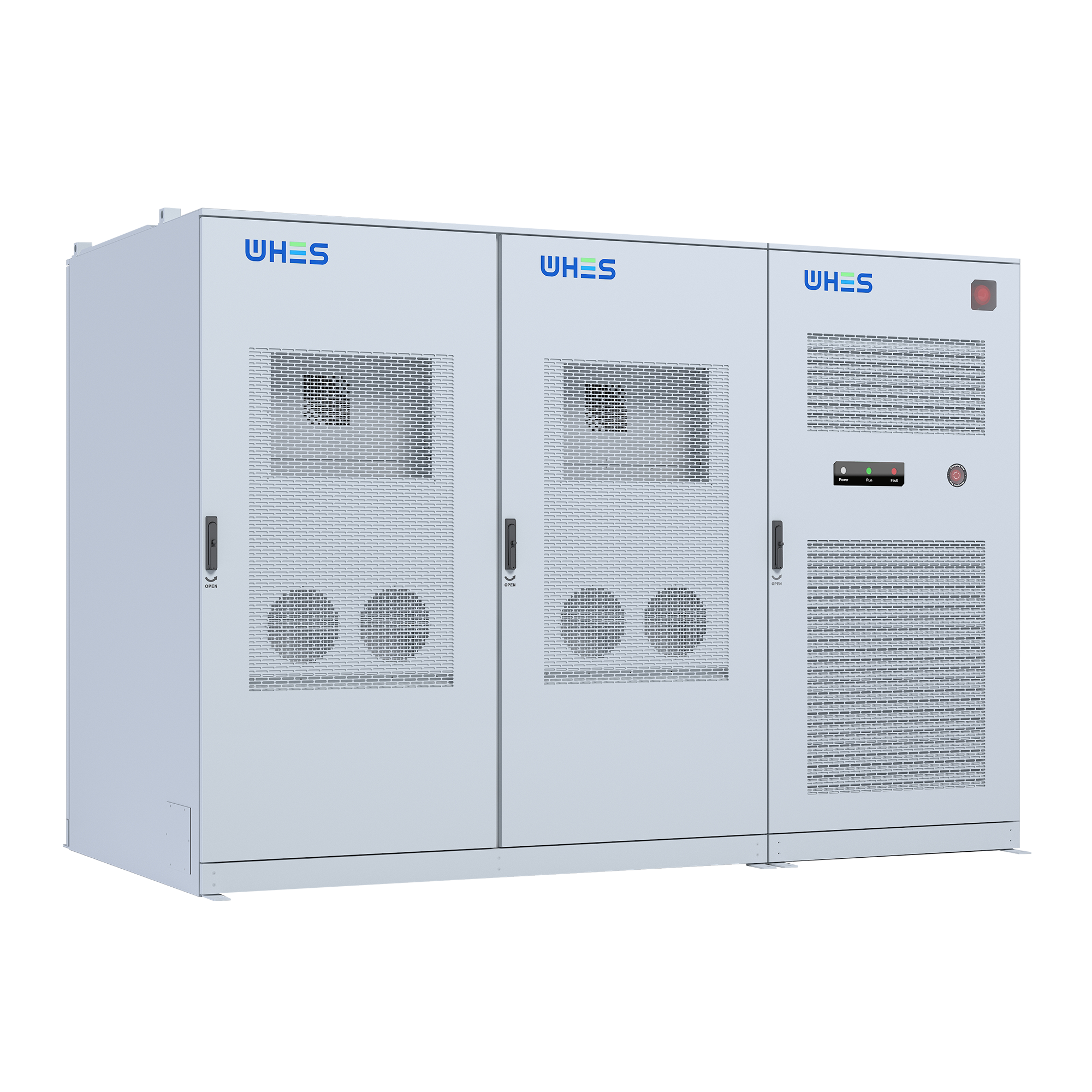
Core technologies that make it plausible
Two technical layers matter most. The first is hardware: each node needs a reliable battery pack with a capable battery management system (BMS) and an inverter that supports grid-tied and islanded operation. The second is orchestration: cloud platforms that manage state of charge (SoC), dispatch priorities, and safety limits while respecting privacy and local grid constraints. You can also layer in commercial-grade systems where higher capacity or longer duration is required — think hybrid deployments that combine residential batteries with dedicated commercial solar battery storage for municipal buildings or emergency hubs.
Policy, incentives, and the economics of scale
Speculation about feasibility quickly runs into regulation. Net metering rules, interconnection standards, and utility tariffs determine whether aggregated storage can participate in markets or simply serve resilience. Incentives that subsidize residential systems accelerate adoption, but municipal planners will also need frameworks for ownership, liability, and compensation. When cities structure incentives to reward availability during emergencies and grid services (frequency response, demand charge reduction), the business case for aggregation tightens.
Pitfalls, practical mistakes, and how to avoid them
Deploying at scale isn’t just a technical exercise — it’s a coordination challenge. Common mistakes include underestimating communication latency, over-relying on voluntary participation without firm contractual commitments, and neglecting lifecycle issues like depth of discharge (DoD) limits that accelerate degradation. Test early: run pilot clusters that integrate a few dozen homes plus one municipal node and validate islanding behavior with local inverters and a defined acceptance test. Don’t skip the interoperability checks — if the inverter profiles or BMS telemetry don’t match, you lose orchestration, fast.
— It’s tempting to think software alone solves the problem; in practice, hardware specs and clear standards are the quiet workhorses.
Pilots and prototypes worth watching
Cities from Brooklyn to Freiburg have run pilots combining distributed storage with demand response. Those projects show measurable drops in peak load and faster recovery after outages, though outcomes hinge on enrollment rates and incentive design. Pilots also reveal non-technical benefits: greater community engagement and clearer equity conversations about who gets resilience first. These human outcomes matter — technology’s only half the story.
How to evaluate a scalable home-battery strategy (three golden rules)
1) Measure dispatch capability, not just installed capacity: evaluate how quickly aggregated systems can provide sustained power at municipal priority sites. 2) Insist on open communication standards: choose solutions with transparent inverter behavior and BMS telemetry so aggregation platforms can reliably control islanding and SoC. 3) Account for lifecycle costs: include replacement schedules, warranty terms, and real-world efficiency losses when modeling total cost per kWh of delivered emergency energy.
These rules help planners separate hopeful sales decks from credible operational plans.
Real solutions, ready soon.
City planners and energy teams thinking beyond single-site projects will find the hybrid path — residential aggregation plus targeted commercial and municipal installations — both practical and powerful. When systems are designed to meet interoperability standards and backed by proven operational playbooks, the value becomes clear: resilience, decarbonization, and flexible peak-shaving all in one architecture. For cities seeking a partner that understands both the distributed edge and the commercial backbone, WHES represents that synthesis of product capability and deployment experience.