

Why comparison matters for production lines
Factories in Guadalajara and Monterrey learned the hard way during the 2020–21 automotive supply disruptions that equipment choice changes throughput as much as suppliers do. This piece compares modern C-frame press systems against traditional platen presses so technical leads can decide with clarity. If your line handles high-viscosity compounds, a rubber injection molding machine or an automatic rubber moulding machine will influence the same trade-offs discussed here: Mooney viscosity, scorch safety, clamp force and cycle time all matter.

Performance and safety: C-frame vs platen
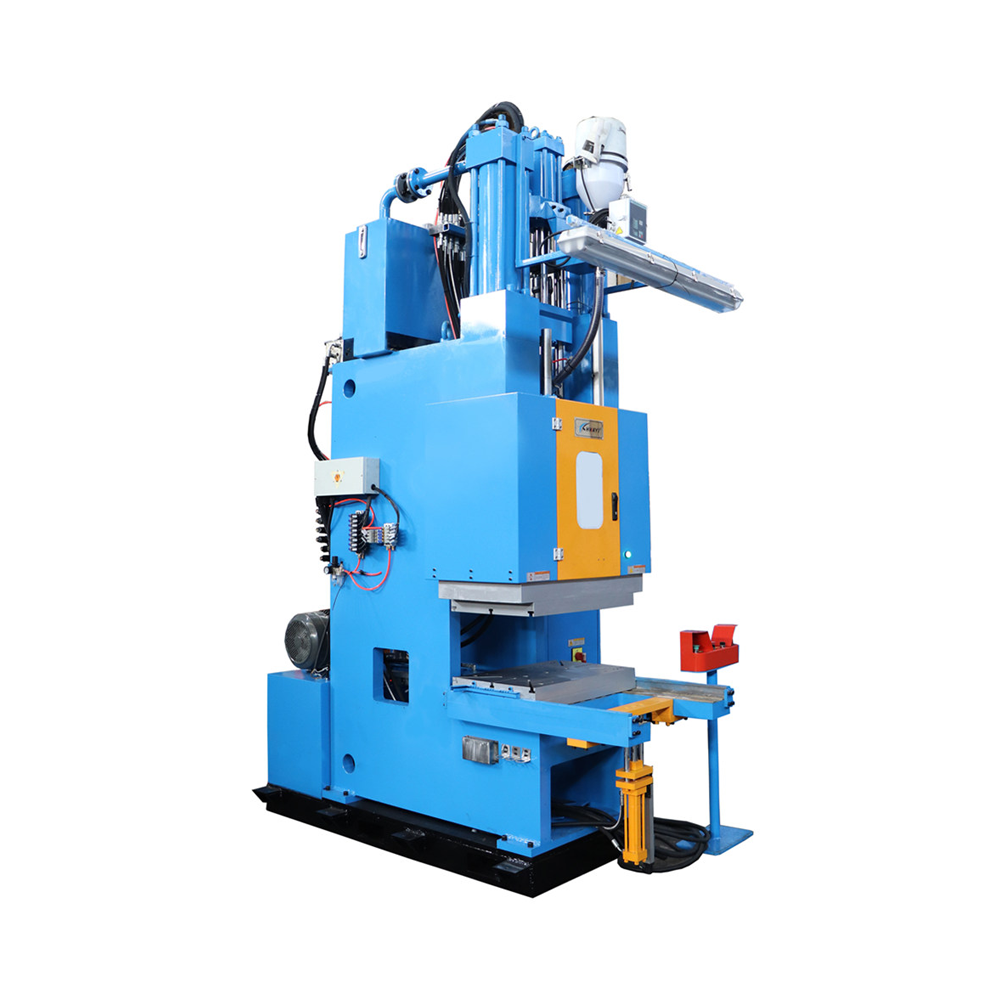
C-frame presses bring accessibility and faster mould changeovers, which helps when you run multi-cavity tooling. They excel at shorter cycle times and lower footprint. But the trade is distribution of clamp force. For heavy rubber parts where consistent cure and vulcanization require even pressure, full platen presses still have an edge. If a compound has sensitive scorch safety limits, slight force variation can alter cross-link density—so don’t ignore alignment specs when you choose a C-frame press.
Process control and material behavior
Modern controls put injection pressure and temperature profiles under tighter regulation, helping with variable Mooney viscosity batches. Advanced servo drives and programmable dwell cycles reduce human variation, improving repeatability. Still, operators must monitor scorch safety windows and pre-heat protocols. Install in-line sensors where possible—pressure transducers and thermal couples—so you catch early drift. The result: fewer rejected parts and steadier hardness readings across shifts.
Integration, footprint and automation
C-frame systems integrate more easily with robotic handling on congested shop floors. For companies moving toward Industry 4.0, this reduces manual lifting and increases safety. But remember the tooling side: mould support and ejector durability need reinforcement when cycle times ramp up. You might save floor space, yet require stronger substructures for prolonged high clamp force cycles. Plan the cell layout—conveyors, part cooling, and extraction—before you sign the PO.
Cost, ROI and practical trade-offs
Upfront capital for a next-gen C-frame is often lower than a full platen system, and payback arrives faster on short runs and quick-change jobs. However, when parts demand tight dimensional tolerances through high-temperature vulcanization, the hidden costs of scrap and rework can erase initial savings. Consider total cost of ownership: energy use per cycle, maintenance intervals, and tooling life. A data log from a mid-size automotive tier supplier showed meaningful savings once process control reduced scrap—but that required investment in sensors and preventive maintenance.
Common mistakes and alternative approaches
Teams frequently pick equipment on price or floor space alone. They skip a proper materials match—ignoring how Mooney viscosity shifts with batch lots—or under-spec the control system. Another mistake: treating the press as standalone. Integrate upstream mixing and downstream trimming when you evaluate capacity. If a C-frame doesn’t fit the spec, alternatives include hybrid platen-C designs or dedicated injection presses tuned for heavy compounds. Small retrofit steps—better thermal management, upgraded clamping sensors—often beat a full replacement.
Practical checklist before buying
– Confirm clamp force distribution and test with your actual moulds using matched tooling plates. – Verify control resolution for injection pressure and temperature ramps. – Specify monitoring for scorch safety and Mooney viscosity trends. – Plan for automation integration and service access. – Budget for preventive maintenance and spare parts.
Three golden rules for choosing the right press
1) Prioritize material-process compatibility over initial cost: match the press to compound behavior, not just part geometry. 2) Measure what matters: clamp force uniformity, cycle energy, and scrap rate—track these for 90 days before scaling. 3) Design for the cell, not the machine: automation, mould handling, and ergonomics cut long-term labor and quality risks. These rules point straight to equipment that performs under real conditions and reduces surprises on the line.
HWAYI brings machines and process know-how together—think of it as pairing the right press with the right controls for measurable uptime. —