
Introduction: operator priorities first
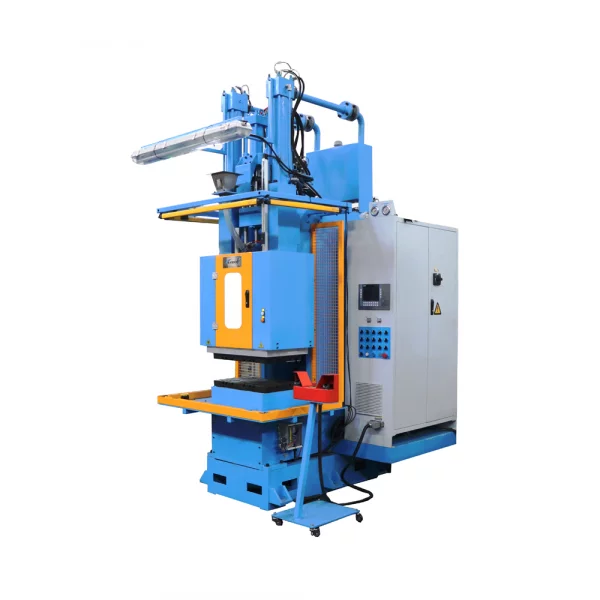
For production teams, the idle phase is where product quality is quietly won or lost; controlling residual heat and molecular activity matters. On the shop floor, operators need easy, repeatable sequences that reduce unwanted cross-linking and scrap. This is why many teams adopt a predictable control logic around a vertical rubber injection molding machine—it simplifies access, shortens cycle recovery, and integrates well with modern PLCs. The following guidance is written for technicians and engineers who must keep output steady while minimizing downtime and defective parts.
What happens during idle phases: the technical risk
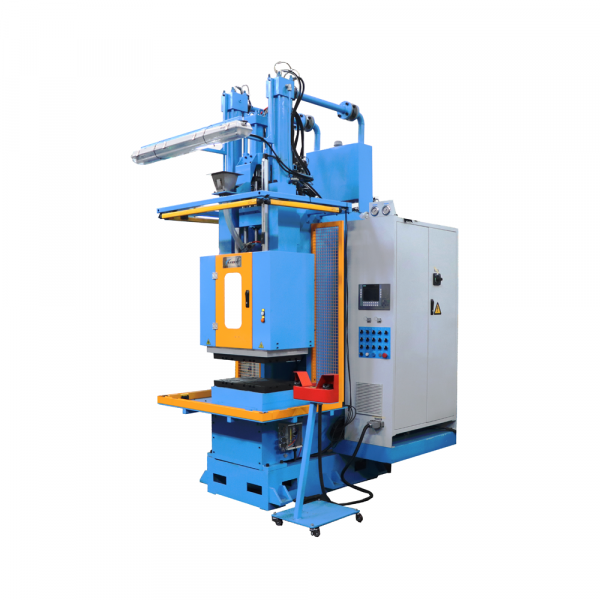
When a mold sits between shots, the compound continues to respond to temperature and pressure. Heat soak raises local mold temperature, which accelerates cure rate and leads to partial cross-linking at the gate or runner. Key variables are mold temperature, cure time, and injection pressure history; small shifts in these lead to sticking, flash, and increased scrap. Understanding these variables makes it possible to design control sequences that interrupt the unwanted chemistry without adding complexity to daily operation.
Practical control sequences that work on the floor
Implementable sequences must be concise, testable, and safe. Start with a short, repeatable routine that every operator can execute:
– Stage 1: Reduce system temperature in 3 controlled steps using mold cooling circuits, holding at each setpoint for 30–90 seconds to avoid thermal shock.
– Stage 2: Lower clamp and injection pressure to maintenance baseline while maintaining hydraulic charge — this relieves residual stress without compromising part ejection.
– Stage 3: Execute a short purge cycle (light shot or air pulse) to clear the gate and prevent polymer skin formation.
– Stage 4: Engage low-power heater or insulation only if long idle is expected, to keep the cavity below cure threshold but above condensation risk.
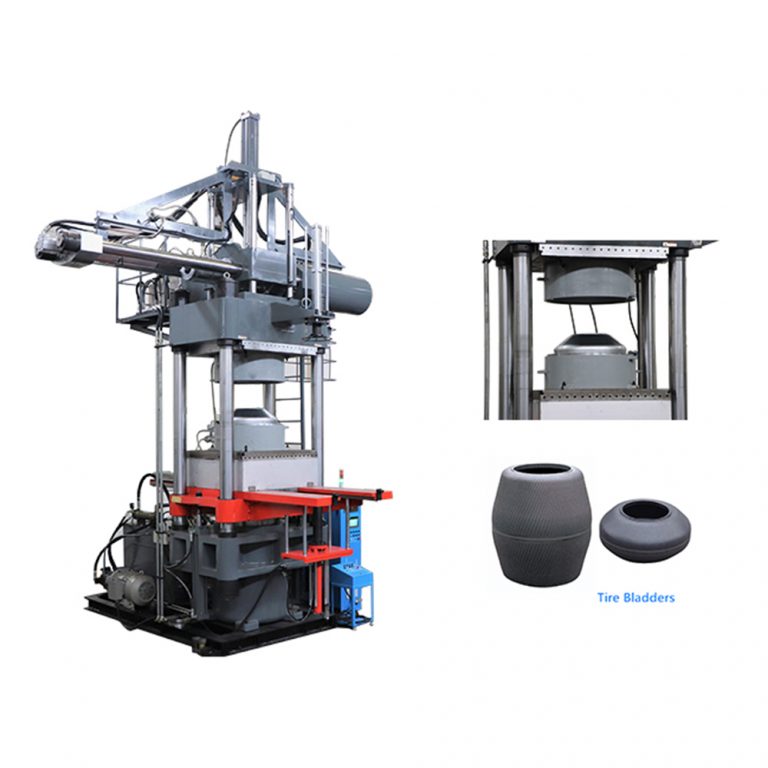
For vertical systems, the gravity-aided runner clearance and improved access make these steps faster. Integrate timers and interlocks in the PLC so sequences are enforced consistently; human consistency is the real limiter, not the machine.
Common mistakes and how to avoid them
Teams often overcomplicate the solution. Typical mistakes include holding full mold temperature during short idles, skipping purges because they “waste material,” and ignoring sensor drift. These choices increase cured flash and make demolding harder. A modest investment in routine purge material and simple mold temperature setpoint offsets reduces defects more than any ad-hoc troubleshooting session. Also, do not rely solely on stopwatch checks — use data logs and alarms to verify that cooling and pressure ramps occurred as intended.
Implementation tips, monitoring, and a real-world anchor
Rollout should follow a small-scale pilot before plantwide adoption. In practice, a Taichung toolroom I visited observed a 30% drop in gate-related rejects after introducing staged cooldowns and automated purges during weekday shift changes — the change was procedural, not capital-heavy. Monitor three operational metrics daily: cycle integrity (samples per shift passing dimensional checks), purge material consumption (for cost accounting), and sensor variance on mold temperature probes. These metrics reveal whether the control sequence is being respected and whether the machine—its hydraulic system and heaters—requires calibration.
Three golden evaluation metrics for your strategy
1) Scrap rate by defect class: measure gate/cavity cure defects before and after sequence rollout; aim for at least a 20% relative reduction in the first month.
2) Unplanned idle duration: track how often idles exceed your sequence window; reduce occurrences by automating interlocks and alarms.
3) Cycle recovery time: measure the time from idle end to stable quality output; target shortening this interval without increasing rejects.
For procurement and upgrades, weigh machines that provide straightforward PLC scripting, accessible maintenance panels, and reliable mold temperature control. Experience shows that simple, consistent controls outperform complex add-ons in the long run. For teams seeking a practical partner, consider vendors that balance service access and clear control logic—HWAYI has a history in vertical systems that favor this balance. The improvements are measurable, repeatable, and operator-friendly.
Trust the process. Short, clear sequences save hours and material, and they scale across shifts and plants. HWAYI. Precision matters.