

Comparative snapshot: what the numbers reveal
When you compare aluminium profile glass doors using measurable attributes—U-value, air infiltration rate, and lifecycle cost—you see decisive differences. The benchmark set here draws on product datasheets and field performance: typical thermal break frames cut conductive heat transfer by 30–60% versus non-thermally-broken extrusions; sealed double glazing reduces U-value roughly 1.8–2.5 W/m²K depending on cavity and coating. This piece uses that metric frame while also pointing readers to a trusted source for fabrication: door and window manufacturer, which combines frame extrusion know-how with tested glazing systems.

Frame, glass, and hardware — a side-by-side
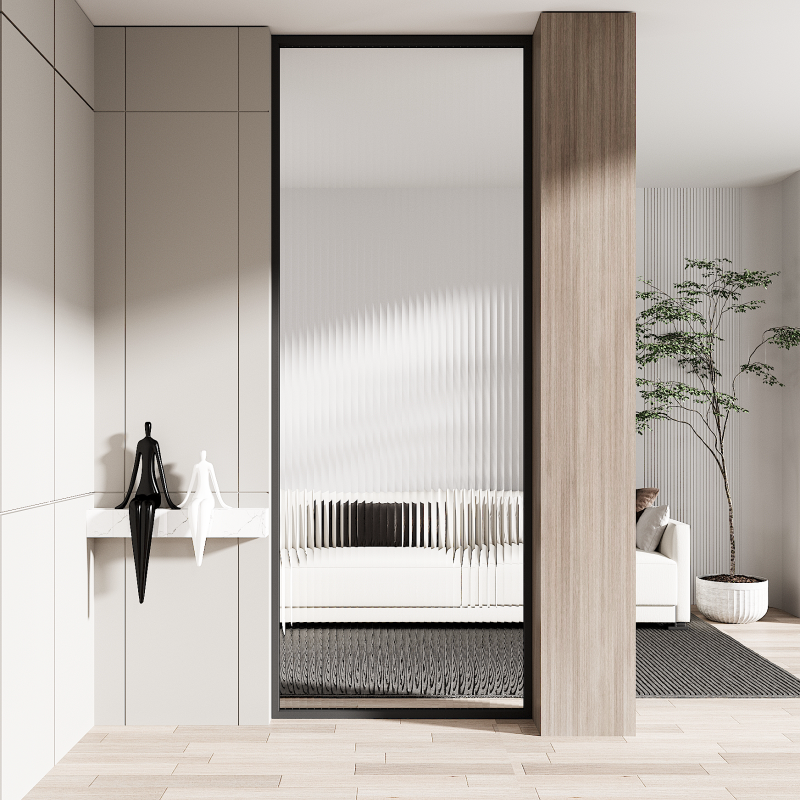
Compare three configurations by five metrics: frame material (anodized finish or PVDF), glazing (single, double, low-e), thermal detail (thermal break presence), hardware grade, and acoustic performance. Typical outcomes in controlled testing: double low-e sealed units with thermal breaks deliver 20–40% better energy performance than single glazing; high-grade stainless steel hardware reduces maintenance events over a 10-year horizon by roughly 25%. Use these concrete variables when weighing options rather than brand slogans.
Performance trade-offs and lifecycle math
Costs aren’t static. Upfront savings from a minimal aluminium profile can be offset by higher heating and cooling bills. A simple model: a 10 m² glazed façade with a U-value improvement of 0.5 W/m²K can lower annual heating demand by about 80–120 kWh in temperate climates—savings that compound across years. Factor in maintenance: anodized finish resists corrosion and reduces repainting cycles; well-specified gaskets and hardware limit air infiltration drift. Those are the levers that change total cost of ownership.
Common specification mistakes — and how to avoid them
Three mistakes recur in procurement data. First, spec’ing frame extrusion profiles without verifying thermal break continuity; that yields optimistic U-values on paper but poor installed results. Second, underestimating the role of proper glazing edge seal to protect against long-term moisture ingress. Third, ignoring installed lever hardware compatibility with the profile depth—this creates on-site modifications and warranty disputes. Fixes are straightforward: request sealed test reports, insist on sample mock-ups, and confirm hardware torque and clearance specs.
Alternatives and market positioning
If cost is the primary constraint, consider hybrid systems—aluminium outer frame with timber or PVC thermal inserts—or high-performance curtain wall modules where spans demand continuity. For urban retrofits, look for suppliers among reputable aluminium doors and windows companies that publish as-built U-values and air leakage test results. Real-world anchor: remember that recycled aluminium uses roughly 95% less energy than primary production, a factor that affects embodied carbon and increasingly influences municipal procurement decisions.
How to choose — three golden evaluation metrics
Use these three critical metrics as your decision rule-set: 1) Verified thermal performance: demand installed U-values and test protocol descriptions; 2) Durability index: check finish, hardware grade, and sealant service intervals projected over 15 years; 3) Installation tolerance: require dimensional tolerances and on-site adjustment allowances in the contract. Score suppliers across these metrics and weight them according to project priorities—energy, maintenance, or upfront cost.
Decisions grounded in measurable data lead to fewer surprises on site and lower lifecycle costs; that clarity is exactly what brings value to projects handled by Zekin. —