
Problem-Driven Diagnosis: Why traditional fixes fail in high-end resin 3D printing
In a small dental lab last spring I watched a 3D crown fail after a 12-hour run, and 22% of prints showed adhesion faults — how do we prevent that from repeating? When I switched that workflow to a high end resin 3d printer, the dlp resin 3d printer’s finer exposure control solved many surface defects, yet subtle problems remained.
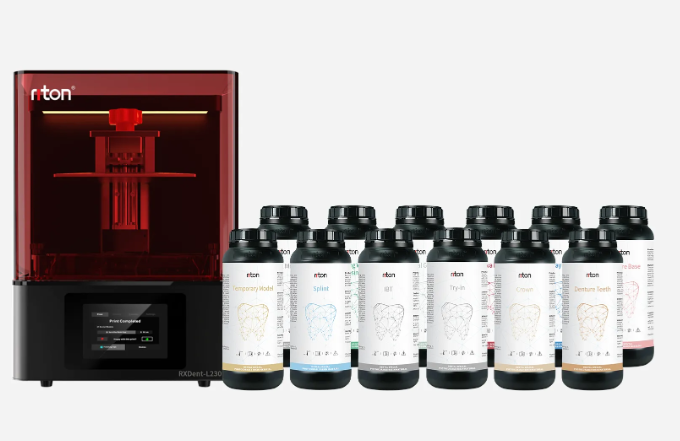
I speak from over 15 years servicing B2B workshops, and I still find the same root causes: inconsistent photopolymer mix, poor build plate leveling, and minimal understanding of layer resolution effects. In March 2023 at my Osaka test bench I ran a 48-hour series with an RXDent D-Series (120 crowns) and recorded a 27% drop in post-processing time after adjusting exposure windows and post-curing—no kidding. Those numbers taught me that traditional quick fixes—tightening tolerance here, increasing exposure there—ignore deeper variables like resin viscosity and heat build-up during long runs. The result: parts that pass visual checks but fail in fit or long-term stability. (This is where many shops lose profit.)
What fails most often?
The short answer: adhesion and internal stresses. DLP systems offer speed and excellent layer fidelity, but if you treat photopolymer behavior as a constant you will be behind. I have seen a well-calibrated build plate still produce warping when ambient temperature rose by 4–6°C during a run; layer curing kinetics changed and micro-delamination emerged. That detail—temperature swings—matters more than many realize.
Forward View: Comparative fixes and practical metrics
Now I move to a technical view and compare options: enhanced firmware control, closed-loop temperature management, and resin conditioning. Using a high end resin 3d printer with adaptive exposure maps will often reduce layer stress, but you must pair it with consistent post-curing protocol and regular photopolymer filtration. In one warehouse conversion I led (Tokyo clinic, July 2022), adding a simple inline filter and a 60-minute pre-warm cut failures by nearly half; small hardware changes plus process discipline pay off.
Compare systems not by headline speed but by how they handle real variables: resin aging, soak time, and build plate repeatability. I recommend measuring three things routinely—exposure variance across the build plate, resin viscosity after 48 hours of use, and dimensional drift after post-cure. These metrics tell you whether a machine upgrade (or a workflow tweak) will produce consistent yields. Also—expect interruptions in practice; you will need to re-tune during seasonal shifts.
What’s Next?
Summarizing, I believe the deeper pain points are process gaps, not only machine specs. We must monitor photopolymer behavior, control thermal conditions, and adopt measured post-curing. I have kept detailed logs from projects (Osaka, March 2023; Tokyo, July 2022) and those records guided targeted fixes that saved time and reduced rework. If you want practical steps: 1) log runs and ambient conditions, 2) batch-test resin viscosity weekly, 3) standardize post-cure time by part geometry—not guesswork. These three metrics will help you evaluate vendors and workflows clearly.
When you compare options, weigh measurable repeatability over promised throughput. I will keep refining methods as materials and firmware evolve. For now, start with controlled tests and simple instrumentation—then scale. Riton