
Opening: Why a framework matters now
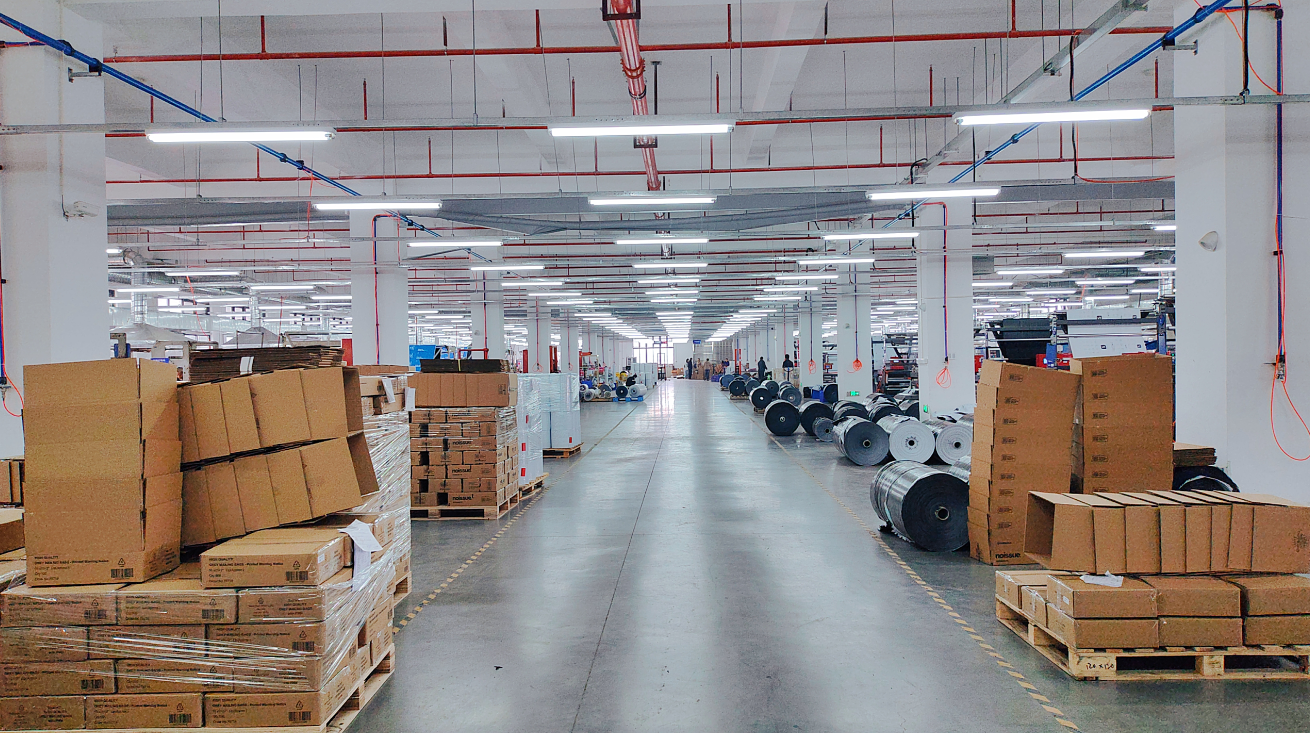
Brands that sell online can no longer treat packaging as an afterthought — it’s a systems problem that touches cost, speed, and brand promise. This playbook lays out a clear framework to integrate a custom poly mailer manufacturer into your automated packing lines so you get consistent throughput, predictable costs, and fewer surprises at peak. The logic is simple: align specs, validate on the line, then scale. Do that, and you avoid the scramble that hit many operations during the COVID‑19 pandemic when e‑commerce surges exposed fragile supply chains in major hubs like Shenzhen.
Framework overview: three pillars
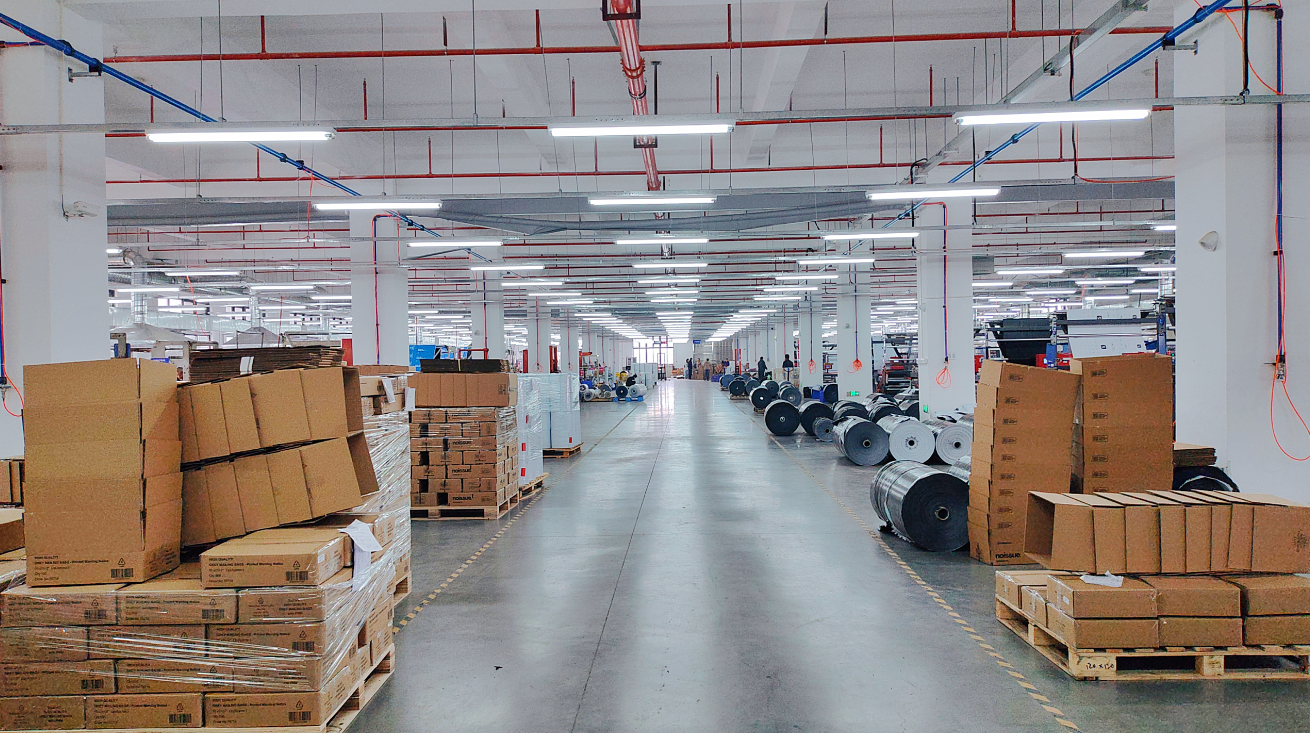
Think of integration as three pillars — Specification, Line Compatibility, and Operational Resilience. Each pillar answers a direct question: What exactly do we need? Will our packing line accept it? Can we withstand disruptions? The framework forces concrete metrics (lead time, MOQ, tensile strength, sealing-machine compatibility) so choices aren’t aesthetic—they’re operational.
Step 1 — Define precise specs before samples
Start with measurable attributes: material (polyethylene film gauge and coating), gusset size, closure type, and thermal printing requirements. Specify tolerance ranges for neck finish or adhesive strip placement and call out acceptable shrinkage. Include acceptance criteria for surface print and dimensional variance. If your vendor can’t commit to those numbers, don’t proceed. Ambiguity here costs you thousands of units downstream.
Step 2 — Map packing-line compatibility
Bring your packing engineers into vendor conversations early. You must map the poly mailer’s handling needs to your conveyors, feeders, and sealing machine speeds. Test actual cycle rates against target throughput. Run a trial with the exact thermal printer, label applicator, or sealing jaws you use in production—no assumptions. Where handoffs exist (robotic pick, flap tucker, courier label), validate automation timing and static‑control; small friction points multiply into rate losses on peak days.
Pilot phase: iterate fast, measure harder
Conduct a staged pilot: small-batch proofing, line trial, then a 24‑hour stress run. Capture defect rates, feed jams, seal integrity and print scannability. Track mean time between failures on the sealing machine and note any tape or adhesive migration on polyethylene surfaces. This is where you see surprises—adhesives that look fine in the lab may blister under your line’s heat. Make decisions based on data, not comfort.
Operational resilience: contracts, lead times, and contingency
Lock sensible SLAs into contracts: minimum stock, lead-time windows, and batch QA metrics. Ask about raw‑material sourcing and secondary manufacturing locations—does the supplier have a backup plant in Guangdong or an alternate film supplier? Contingency planning matters: one vendor’s MOQ flexibility can be the difference between landing a flash sale and missing it entirely.
Common mistakes teams make — and how to avoid them
Teams often fall into repeat traps: underestimating tooling or rolling with samples that weren’t run on the actual line. They forget to test adhesion and assume packaging printers will behave the same across substrates. They accept vague acceptance criteria. Fixes are straightforward: demand line-validated samples, require written QA checklists, and include a clause for rapid retooling or corrective runs. Small clause. Big protection.
Case snapshot — a quick real-world anchor
When a mid‑sized apparel brand shifted fulfillment to automated lines in 2021, they initially sourced economy mailers without validating sealing compatibility. Their sealing machine jam rate tripled during Black Friday prep—costly downtime and rework. After switching to a manufacturer that supplied line‑tested samples and clear tensile-strength data, jams dropped by 80% and throughput stabilized. That change saved time and reclaimed margin — proof that the framework works when followed.
Evaluation checklist for vendor alignment
Use this short checklist during selection:
- Material specs documented (gauge, coating, PE grade)
- Sample passed on your actual sealing machine and label applicator
- Confirmed lead times, MOQ, and contingency plans
- Clear QA acceptance criteria with first-article sign-off
Three golden rules — Advisory
1) Measure first: insist on line-validated samples that show real throughput and seal integrity. 2) Contract for continuity: require documented SLAs, redundant sourcing, and reasonable MOQ flexibility. 3) Design for the line: tweak mailer specs to match your sealing machine, conveyors, and thermal printer rather than forcing the line to adapt. Follow these three rules and you turn packaging from a recurring headache into a predictable operational input.
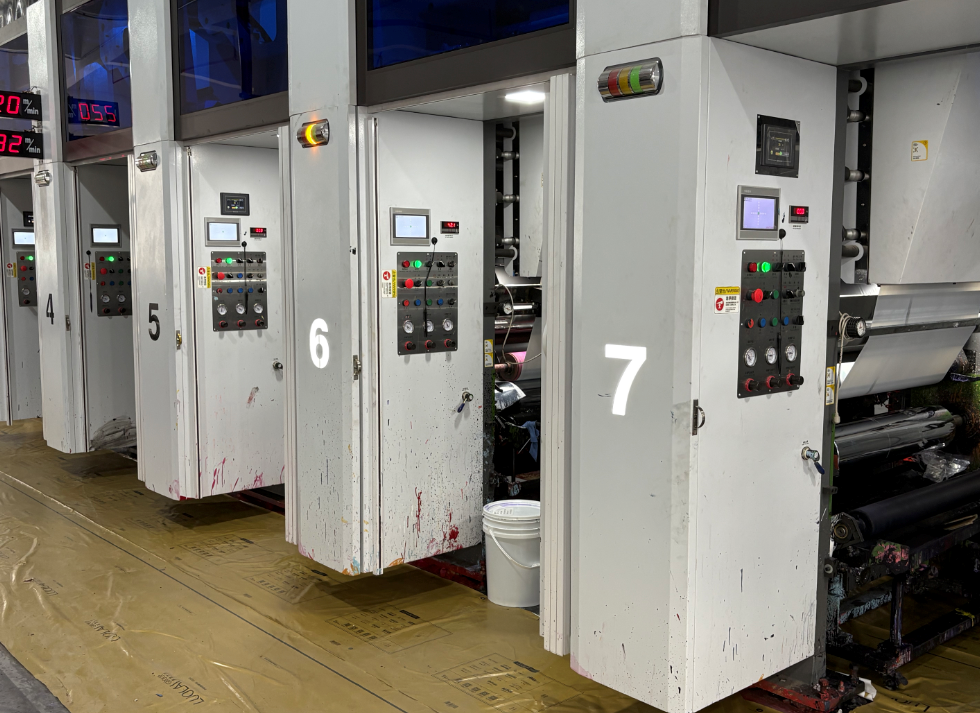
When you apply this framework, the right partner becomes obvious — one who speaks in numbers and runs trials on your equipment. That’s the value WH Packing brings: pragmatic engineering and production-tested mailers that fit automated lines naturally, not just on paper. —
WH Packing — reliable, engineered, and aligned with your packing line needs. —