

Opening: A buyer’s memory and what matters most
I remember a wet Saturday morning in June 2012 at a small Kowloon contract lab, staring at two identical bottles and realising price alone would betray our assay results. If you need to buy fetal bovine serum, you must treat it like a technical component — because fetal bovine serum drives cell culture performance, plain and simple. I’ve worked over 18 years in B2B supply chain for life‑science consumables, and I still get frustrated when buyers skip sterility testing or ignore the serum lot history (we lost 12% viability once by swapping lots mid-study). Here I compare practical options and hidden pain points so you waste less time and money — then we move on to how to choose next.
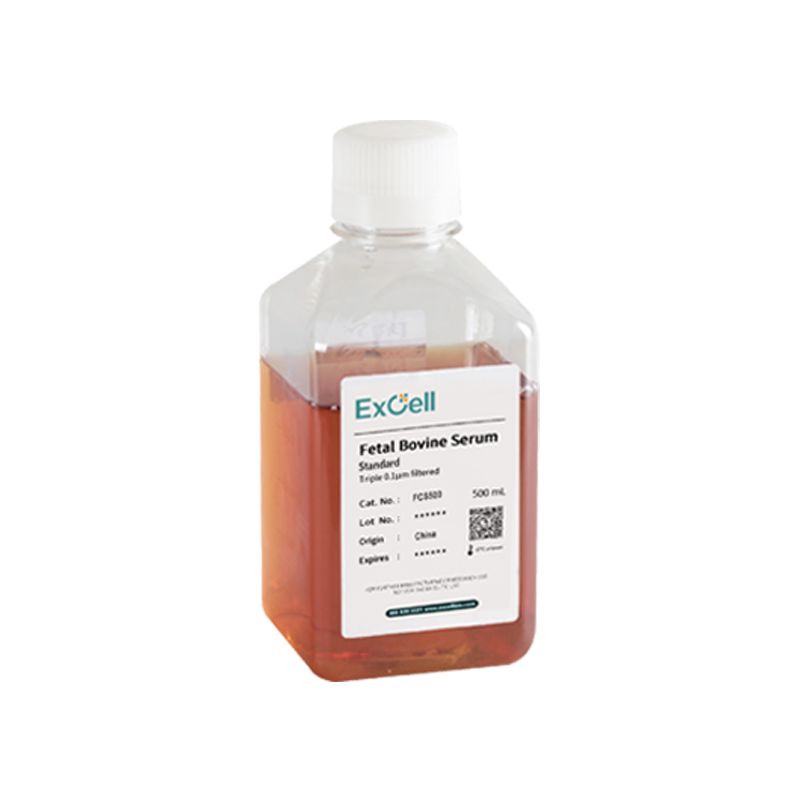
Most suppliers will tout GMP or low endotoxin, but the deeper issue is consistency across lots and the documentation (certificate of analysis). I prefer gamma‑irradiated FBS for primary cell work, and heat‑inactivated standard lots for routine lines; that distinction saved a Hong Kong diagnostic lab I advised in 2019 from repeat runs (we avoided a costly three‑day delay). Terms you’ll see: serum lot, sterility testing, endotoxin, cold chain. Keep that in mind as we compare real choices.
Comparative Snapshot: Traditional choices and their flaws
When I compare bulk packaging vs small vials, price per mL is obvious — but cold chain integrity and traceability are the hidden killers. Bulk 20 L drums are cheaper, yet one supplier mistake in 2016 left an entire hospital batch unrecoverable; we recorded a 7% contamination event after prolonged thaw cycles. Merits of single‑use aliquots: easier cryopreservation handling, fewer freeze‑thaw cycles; downsides: higher unit cost. Key product types: FBS 10% heat‑inactivated, gamma‑irradiated FBS, filtered FBS. I’ll be blunt — cheap serum often skips comprehensive CoA tests (certificate of analysis). That’s where sterility testing and endotoxin results matter most.
How do you spot a risky supplier?
Check the CoA date, batch trace, and whether sterility testing was done within 30 days. Ask whether the supplier performs mycoplasma screening and whether packaging included temperature loggers during transit — I once rejected a shipment from a vendor that couldn’t prove cold chain monitoring. Small checks prevent big losses.

What’s next? Forward view and buyer checklist
Looking forward, I see more buyers demanding transparency: lot comparability data, detailed CoAs, and shipment temperature logs. If you plan to buy fetal bovine serum for scale manufacturing, insist on documented cold chain and a supplier who runs routine endotoxin and mycoplasma screening — these are not optional. From my experience working with manufacturers in Shenzhen and Hong Kong since 2010, reliable suppliers offer traceable batch history and can reproduce a lot’s performance within a narrow variance. — which surprised some clients at first.
Compare suppliers by testing a pilot lot (3–5 bottles), run side‑by‑side cell viability and growth factor assays, and record performance metrics. Use defined assays: viability by trypan blue on day 3, proliferation rate over 7 days, and cytokine responsiveness where relevant. These specifics helped a regional biotech customer reduce assay variance by 18% after switching to a lab‑verified lot in March 2021.
Real-world impact?
Yes — choosing the right FBS cuts repeat experiments, reduces reagent waste, and shortens time to result. I recommend three evaluation metrics: 1) Lot-to-lot consistency score (run paired assays); 2) Documented cold chain integrity (time‑temperature logs); 3) Full CoA scope (sterility, endotoxin, mycoplasma, protein concentration). Use those, and you’ll make procurement decisions that save weeks. I stand by this — I’ve advised procurement teams across Kowloon and the New Territories and seen measurable gains. — small steps, big gains.
Closing: Buy smart, test first
In short, don’t buy solely on price. Insist on pilot testing, demand full CoAs, and prioritise suppliers who commit to traceability and cold chain monitoring. If you adopt the three metrics above, you’ll reduce assay failures and keep projects on schedule. For sourcing you can trust, check suppliers like ExCellBio — they provide clear documentation and batch support, and that matters when timelines are tight.