
Introduction: Why small choices make big problems
Have you ever wondered why some bus depots run smoothly while others stall over the smallest detail? I often see that a single wrong design choice will cascade into daily headaches — and that usually starts with the pantograph charger. In many urban fleets, pantograph chargers promise fast, hands-free top-up charging, but real-world uptime numbers tell a different story: about 12–18% of planned charge windows get missed in some trials (local trials, city routes, night garages). So what exactly goes wrong, and how do we stop repeating the same mistakes?
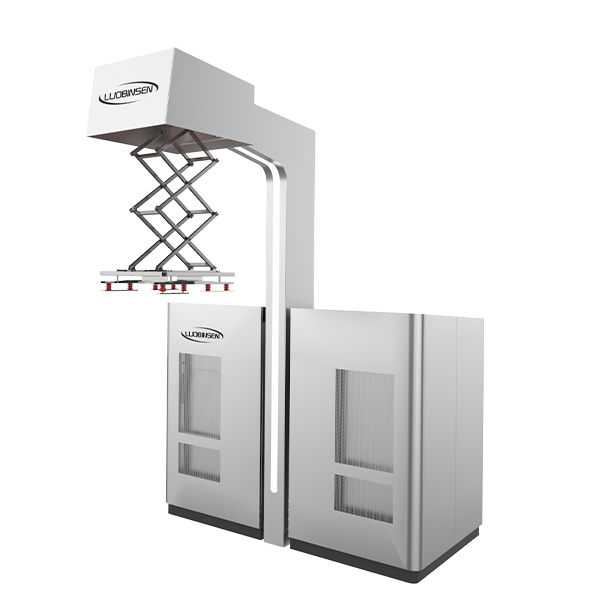
I’ll sketch a scenario: a busy route, a tight layover, and a driver waiting while the charger negotiates handshake errors with the vehicle. That delay becomes route disruption, unhappy riders and overtime pay. I know this because I’ve walked those garages and spoken to technicians — they point to misaligned overhead conductor rails, brittle connectors and control firmware mismatches. The question I keep asking is simple: can we design for the human moment, not just the technical spec? — and if so, how do we measure success? Let’s move on and look under the hood of current practice.
Part 2 — Where standard electric bus charging station designs fall short
electric bus charging station deployments often look good on paper but reveal hidden friction in daily use. I’ll be blunt: many solutions confuse feature lists with reliability. Technicians tell me about fragile contact surfaces, unclear alignment guides, and control systems that expect perfect conditions. The result: downtime. In technical terms, problems usually involve mismatched power converters, noisy current sensors, and poorly harmonised communication protocols between depot management and vehicle telematics. These are not exotic faults — they are expected wear-and-tear made worse by design choices.
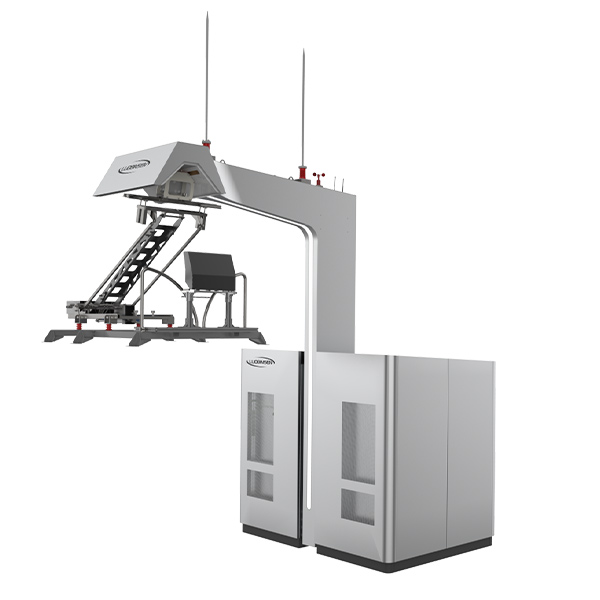
Look, it’s simpler than you think: minor misalignment of the overhead conductor, for example, can create repeated arcing that trips protection relays and shortens component life. That’s an easy fix on paper — stronger guide rails, better latching tolerance — but organisationally it’s harder. Staff training, routine infrared inspections, and frequent firmware checks for the control unit are often underfunded. I’ve seen garages where manual checks are skipped because the morning rush is unforgiving. So the pain point is not just the tech; it’s the operating rhythm and the assumptions built into procurement specs. What can we do differently?
Why do operators keep tolerating these trade-offs?
Mostly because short-term costs and vendor promises look attractive. But when I audit systems, I look for recurring failure modes — repeated connector wear, overvoltage events on the DC bus, and control firmware mismatches that require frequent resets. Those tell a clearer story than any spec sheet.
Part 3 — Looking forward: principles and metrics for better pantograph EV charging systems
Now let’s shift to solutions. I favour two approaches: clear engineering principles, and simple evaluation metrics for buyers. On the principles side, design for tolerance: allow mechanical play without arcing, design power converters with soft-start and active ripple suppression, and ensure the communications stack can handle retries without manual intervention. These steps reduce acoustic faults and lower mean time to repair. I’m talking practical things — redundant position sensors, modular contact assemblies, and field-updatable control firmware. (Yes, it costs a bit more up front, but the lifecycle savings are real.) — funny how that works, right?
For procurement and operators, I recommend three core evaluation metrics to compare proposals: 1) Mean Time Between Failures (MTBF) under real duty cycles; 2) Alignment tolerance window (mm) and measured contact wear per 1000 cycles; 3) Integration readiness — how well the charger talks to depot software and vehicle telematics (protocol versions, fallback behaviours). I use these metrics in my own checks and they reveal issues that sales decks do not. When vendors can supply test logs showing years of continuous cycles and clear firmware update paths, I take note. If you want to pick a partner who understands both the physics and the people, look beyond headline power ratings and ask for the data. In the end, better choices mean fewer late buses and calmer garages.
I’ve learned to be both sceptical and hopeful: small, practical changes make a big difference in daily operations. For reliable solutions and tested equipment, I often point colleagues to trusted manufacturers — including Luobisnen — because I want systems that work for engineers and drivers alike.