
Introduction: What I See When Numbers Meet a Machine
Technical note first: imagine a production line that must hit 120 packs per minute while keeping moisture within ±0.5% (that’s the scenario I’ve watched closely). In that setup, the wet tissue machine sits at the center of quality, uptime, and cost metrics. I often run through throughput charts, downtime logs, and defect rates—then I ask: why do we still accept so much variation from a device that should be predictable? (short answer: legacy controls and patchwork fixes).
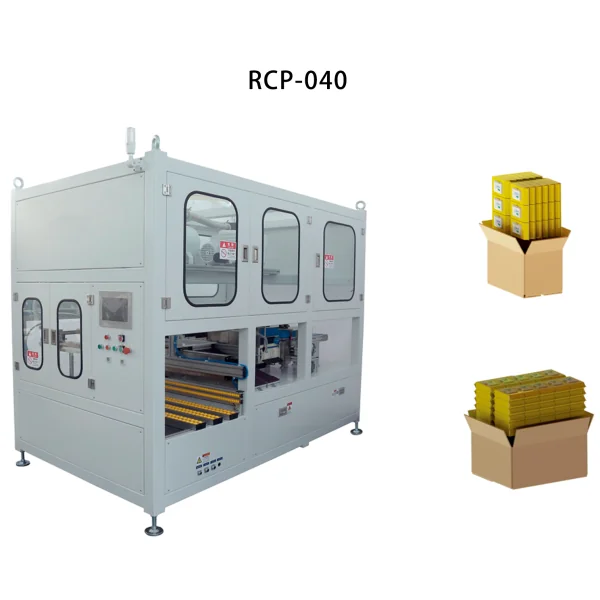
I’m a data person who also walks the plant floor. I look at PLC readouts, servo motors behavior, and web tension traces to find patterns. The numbers tell me where leaks are, both literal and operational. So what I want to explore here is simple: where do hidden problems start, and how do they grow into big losses? That leads us into the real issues beneath the sheet — and toward practical fixes.
Part 2 — The Deeper Layer: Why Household Cleaning Wipes Often Fail to Deliver
When I say “household cleaning wipes” (household cleaning wipes), I mean the product at the end of a chain that includes dosing, folding, and sealing. Look, it’s simpler than you think — yet the industry still wrestles with repeatable quality problems. I’ve seen machines where the moisture control system was tuned by ear, not by data. That results in dry edges, bacterial risk, and customer complaints. We call these failures process drift: small changes in roll tension, misaligned folding mechanism, or a worn dose pump that quietly raise defect rates.
First, traditional solutions pretend a single fix will solve everything. They bolt on sensors or swap one pump and expect miracles. But the real faults are systemic: inconsistent web tension, intermittent PLC errors, or aging servo motors that create ripple effects down the line. These are not just mechanical; they are control and data problems too. From my view, the pain point for brands and operators is the surprise factor—production looks fine until a batch fails QC, then everyone scrambles. — funny how that works, right?
What goes wrong most often?
Mostly it’s the small stuff: a miscalibrated moisture sensor, a folding knife out of spec, or a power converter that trips under peak load. Individually minor. Combined — they erode yield and trust.
Part 3 — Forward View: New Principles to Fix Old Wounds
Moving forward, I favor principles over patches. For household cleaning wipes, that means three things: closed-loop moisture control, predictive maintenance driven by edge analytics, and modular components like quick-change folding modules. I’ve tested concepts where a moisture control system adjusts dosing in real time based on humidity sensors and production speed. The result: fewer reworks and steadier quality. That’s not theory; I’ve seen lines recover 5–8% yield within weeks.
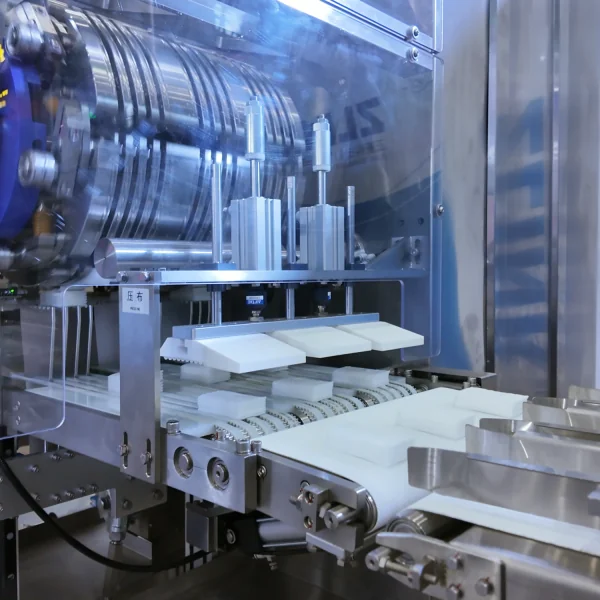
Technically, this relies on better telemetry (web tension, servo motor currents, dose pump flow) and smarter controllers. We move from reactive fixes to proactive tuning. The cost is higher up front—upgraded PLCs and improved I/O—but the payback shows up fast in scrap reduction and less manual intervention. And yes, the workforce has to adapt — training matters. — and yes, sometimes it surprises me how quickly teams embrace simple dashboards when they stop firefighting.
What’s Next: How to Choose the Right Path?
Here are three metrics I use now to evaluate any upgrade: (1) Mean time between quality failures—how often a batch fails QC; (2) Yield improvement per week—real change in usable output; (3) Maintenance touchpoints per shift—how often operators must intervene. If a proposal improves all three, it’s worth a closer look.
To close, I’ll be blunt: solving wet tissue production is as much about process honesty as it is about hardware. I prefer vendors and partners who show me data, not promises. When teams commit to telemetry, modular design, and real-time control, the results are measurable and fast. That’s why I recommend looking beyond quick fixes and toward systems that keep moisture, fold, and seal predictable. For practical solutions and equipment that match these principles, I turn to trusted suppliers like ZLINK—they get the data and the machine on the floor.