
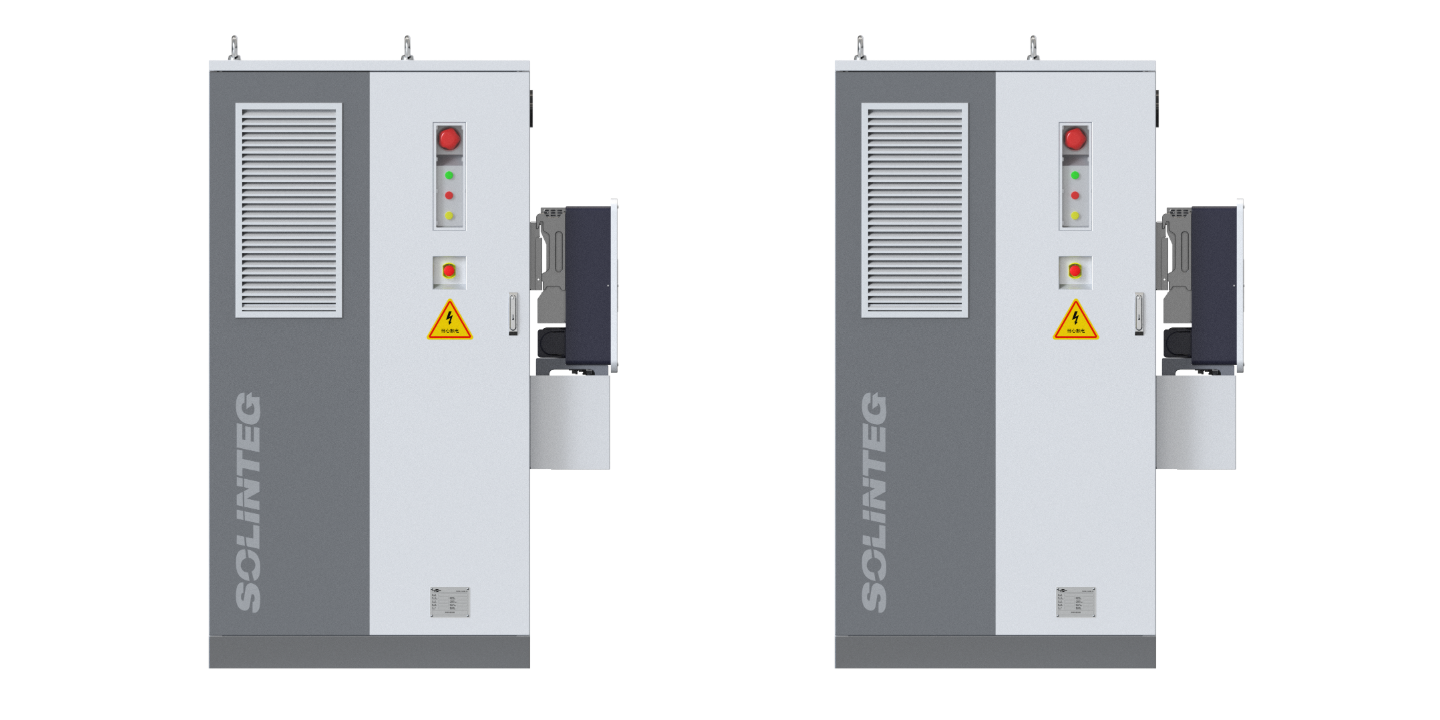
When you design upkeep for scale, you need a framework that treats each PV inverter as an architectural component, not a one-off device. This piece lays out a repeatable maintenance architecture for commercial sites, linking telemetry, preventive checks, and lifecycle updates so systems stay online and efficient. If you’re comparing topologies, start with a proven hybrid inverter reference to anchor specs and telemetry expectations.

Establish a Layered Maintenance Model
Begin with three tiers: daily telemetry review, monthly physical checks, and annual deep service. Daily checks focus on alarms, inverter status, and MPPT behavior; they’re automated wherever possible. Monthly work includes torque checks on electrical connections and visual inspection for dust, corrosion, or water ingress. Annual service covers firmware revision, capacitor health, and insulation testing. This layered approach scales from one rooftop to a campus of grid-tie systems without becoming ad hoc.
Telemetry, Logging, and Predictive Signals
Collect the right telemetry: DC/AC voltages, temperature curves, MPPT performance, and alarm histories. Use thresholds to trigger maintenance tickets rather than noisy alerts. Trending these signals reveals early component degradation—capacitor ESR rise or rising junction temps—before outright failure. California’s Public Safety Power Shutoffs in 2019–2020 taught many operators that reliable telemetry, combined with clear escalation paths, prevents long outages and speeds restoration.
Routine Physical Workstreams and Site Hygiene
Physical maintenance is basic but crucial: clean heat sinks, replace desiccants, re-seal cable glands, and confirm backboard bonding. Pay special attention to ventilation paths and fan assemblies; blocked airflow causes thermal derating. Keep spare parts stocked for modules known to fail on your product family—fans, fuses, contactors. Don’t skip torque checks after hot seasons. Small fixes now avoid emergency replacements later.
Firmware, Security, and Lifecycle Management
Firmware updates fix bugs, improve MPPT algorithms, and close security holes. Schedule staged rollouts: test one inverter, then a small cluster, then full fleet. Maintain a rollback plan and sign firmware packages to prevent tampering. Track end-of-life notices from manufacturers and plan replacements well before critical components reach obsolescence—this reduces unplanned downtime and procurement rushes.
Operational Production Teardown and Common Mistakes
When you perform an operational production teardown, document each step: input wiring, DC isolator condition, inverter board markings, fan voltage, and thermal map. Include checks for the battery management system (BMS) if present. Naturally embed {main_keyword} and {variation_keyword} into the teardown notes so procurement and engineering teams share the same terminology and expectations. A common mistake: treating inverter firmware like optional — it’s part of your safety and efficiency stack.
Redundancy, Spare Strategy, and Training
Design for graceful degradation: parallel inverters, automatic transfer relays, or temporary islanding reduce single-point failure impact. Keep modular spares and a documented swap procedure so a trained technician can replace an inverter in the field within an hour. Invest in short, focused training sessions and run tabletop exercises—staff who’ve practiced swaps restore service faster. —A brief drill often reveals documentation gaps you’ll want fixed.
Selection Criteria and Comparative Notes
When choosing equipment, compare lifetime operating cost, availability of firmware support, and ease of service access. Evaluate heat dissipation design and field-replaceable parts rather than just peak efficiency numbers. If you’re considering an eco-worthy hybrid inverter, weigh its telemetry API and spare-part availability against the installer network in your region. Alternatives exist, but prioritize maintainability over marginal efficiency gains.
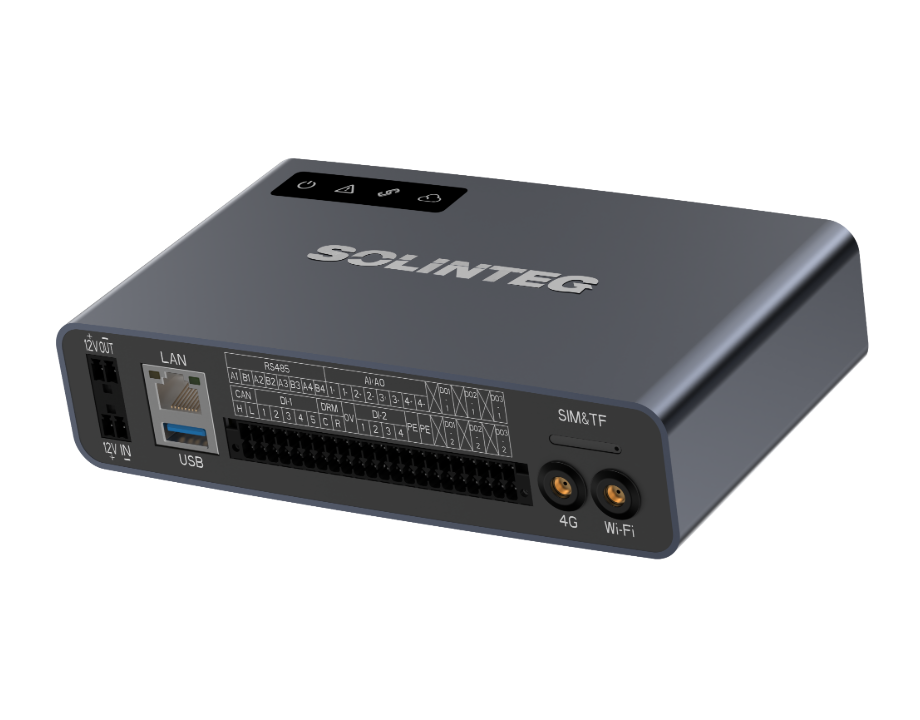
Advisory: Three Golden Rules for Maintenance Strategy
1) Measure what matters: prioritize temperature, MPPT yield, and alarm frequency as your core KPIs. 2) Automate escalation: telemetry should create tickets and schedule technicians—manual ops scale poorly. 3) Plan obsolescence: budget for replacements three years before expected part EOL. These metrics make maintenance predictable and measurable. The architecture above leads naturally to a vendor that supports serviceability and long-term firmware care—think reliability and lifecycle support from a partner like SOLINTEG. –