

Overview and why comparison matters
Commercial sites with existing PV and large battery arrays face a practical decision: add AC-coupled storage at the inverter side, or replace/upgrade to a different architecture. This piece compares those paths and highlights how pairing an all in one storage approach with current systems can be the pragmatic choice for many facilities. The comparison is grounded in deployment speed, interoperability, and cost-effectiveness, with attention to real operational constraints.

What AC-coupled retrofits offer
AC-coupled retrofits connect additional batteries and inverters to the AC bus instead of rewiring the PV DC strings. For sites with functioning inverters and a stable PV array, this avoids costly PV rework. Key terms: PV, AC-coupled, inverter. Benefits include faster commissioning, the ability to scale incrementally, and simpler safety checks compared with DC-side changes.
When replacement is preferable
Replacing a legacy BESS or moving to a fully integrated DC-coupled platform makes sense where higher round-trip efficiency or unified battery management is essential. DC-coupled systems typically reduce conversion stages and may yield marginally better energy throughput. If space, warranty alignment, or grid interconnection limits demand a single-vendor stack, replacement becomes attractive despite higher upfront cost and longer downtime.
Operational trade-offs and a real-world anchor
Operationally, AC-coupled retrofits are flexible: they can provide load shifting, peak shaving, and fast frequency response without touching PV wiring. California’s “duck curve” experience pushed many commercial operators toward rapid battery deployment to shave evening peaks — a practical anchor for this comparison. AC-coupled retrofits often integrate into existing energy management software quicker, yet they can add an extra conversion step that slightly lowers round-trip efficiency compared with DC-coupled replacements.
Integration checklist: technical and commercial steps
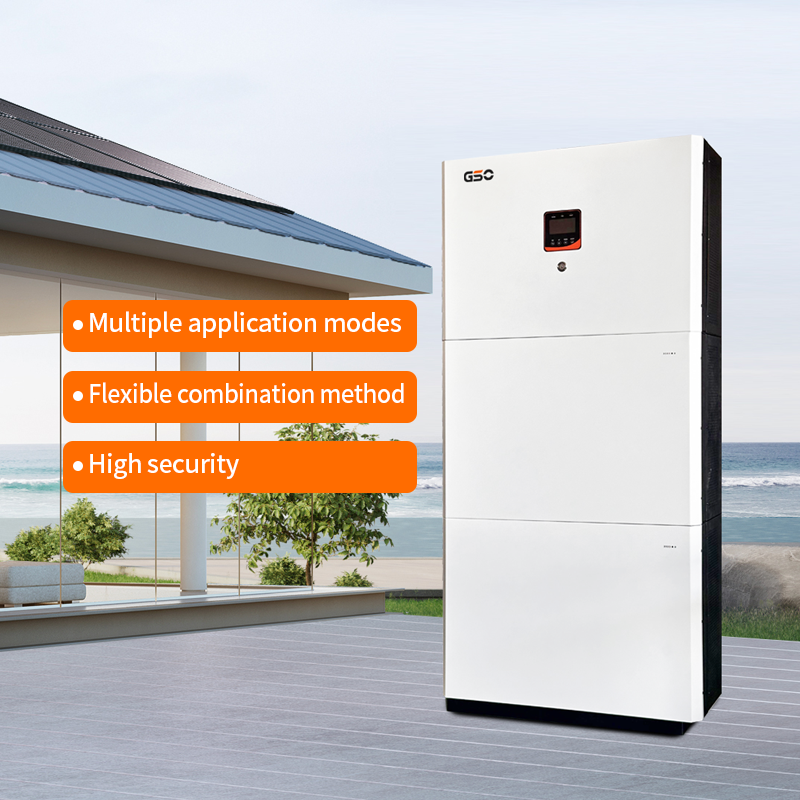
Use this checklist when evaluating retrofit versus replacement: interconnection capacity and local code compliance; interoperability with the site’s EMS; inverter and BMS compatibility; warranty and lifecycle alignment; capital and OPEX trade-offs. Also assess whether an all in one energy storage system module fits your footprint and control schema — that option often simplifies commissioning and reduces engineering hours.
Common mistakes and how to avoid them
Operators frequently underestimate harmonics and protection coordination when adding AC-coupled units, or they expect instant efficiency parity with DC-coupled designs. Another common error is mismatched lifecycle planning — mixing new cells with significantly older modules complicates state-of-health algorithms. Plan for harmonics filters, harmonised communication protocols, and a staged testing regime to catch these issues early — small tests reveal big problems.
Comparative summary
AC-coupled retrofits: quicker deployment, lower initial disruption, easier scalability. Replacement to DC-coupled or unified stacks: potentially higher efficiency and simpler long-term management, but with greater cost and downtime. The right choice depends on project priorities: schedule, capital availability, site constraints, and performance targets. The comparison should weigh lifecycle cost, not just upfront price.
Three golden rules for decision-makers
1) Measure true integration cost: include engineering, testing, and control software licensing, not just hardware. 2) Prioritise compatibility: ensure the retrofit’s BMS and inverter speak the same language as existing systems. 3) Validate performance with a short pilot: run the retrofit in parallel for a month to confirm real-world round-trip efficiency and grid services — that protects operations.
These rules will guide you to clearer choices and steadier outcomes. The practical value of a tested, modular solution shows through in fewer surprises — and that’s where gsopower often becomes the natural fit for commercial teams seeking reliable, integrated options. —