
Introduction
Have you ever paused in a workshop and guessed what the air might be hiding? I ask because the math is stark: tiny particulates from a single laser cut can linger for hours, and a handful of VOC spikes can push exposures past safe limits. The simple box we call a laser fume extractor sits between clean hands and hidden harm; yet the story it tells is often incomplete (dust, odor, and a few late-night guesses). So—what really separates a unit that just runs from one that protects people? Let’s peel back the layers and follow the clues.
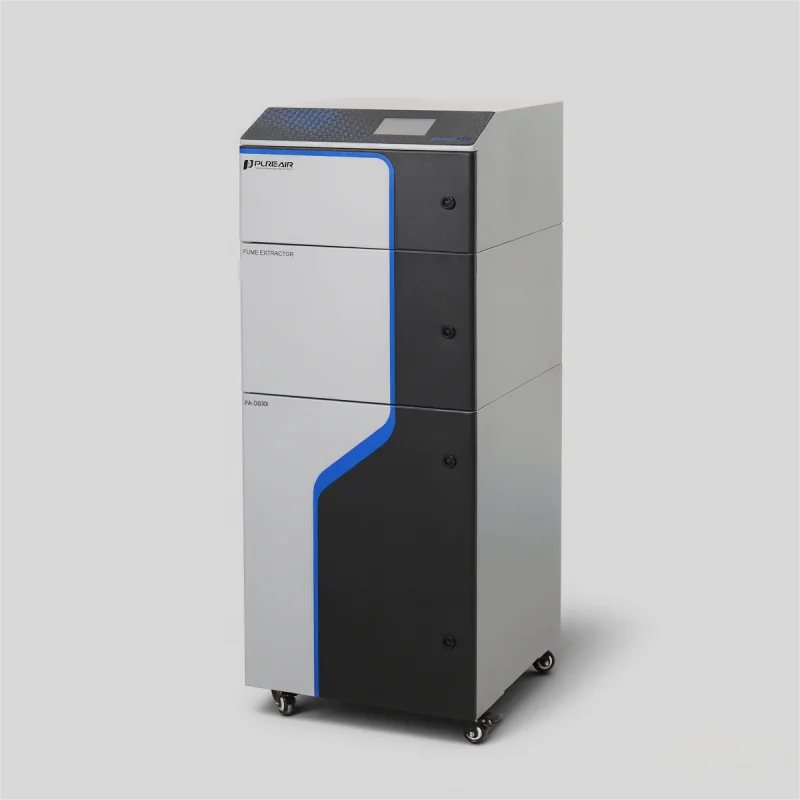
The Hidden Costs: Why Traditional Systems Fail
I link the term laser fume extraction up front because the failings are systemic and common. Too many shops rely on standalone units with clogged HEPA filter cartridges and tired activated carbon beds. The symptoms are obvious: poor airflow, noisy fans, frequent filter swaps, and a false sense of security. I’ve seen systems that looked compliant on paper but, in practice, had ducting losses and low filtration efficiency—so the capture zone never reached the laser head. Look, it’s simpler than you think: if the air path is wrong, the rest is theater.
What’s really going wrong?
First, capture geometry is often ignored. Laser fumes spread fast; if the hood or nozzle is even slightly misaligned, suction drops and particulates escape. Second, maintenance habits lag. Operators delay replacing saturated activated carbon, thinking the HEPA layer will handle everything—wrong. Third, hidden electrical issues (power converters and inconsistent fan speed control) reduce throughput without triggering alerts. I’ve watched maintenance logs that read perfectly while workers cough more than usual—funny how that works, right? These failures pile up into real costs: health risks, down time, and regulatory headaches. We need to treat fume control as a system of matched parts, not a single plug-and-play box.
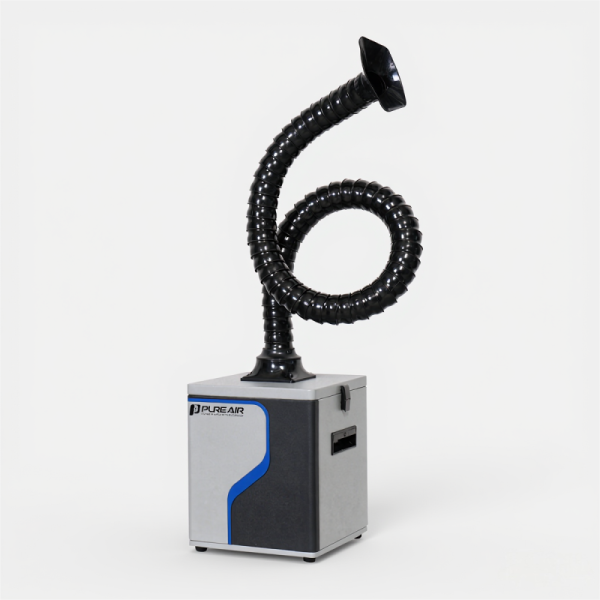
Looking Ahead: Smarter Choices and Measurable Gains
When I imagine the next generation of laser fume extraction, I see lessons learned turned into new principles. Start with sensors at the source—real-time particle counters and VOC monitors that talk to a controller. Pair those with variable fan speed and pressure feedback so airflow adapts, not just runs full blast. Edge computing nodes can analyze trends on-site, flagging a failing HEPA filter before visible change. The design shift is simple on paper: local sensing, adaptive control, and clearer maintenance triggers—but it changes outcomes drastically. — and yes, I mean that.
What to Measure
Practically, I advise measuring three things: capture velocity at the nozzle, filtration efficiency of the HEPA/activated carbon stages, and system uptime tied to maintenance events. Those metrics tell you whether clean air is being achieved and sustained. I’ve helped teams move from monthly guesswork to weekly, data-driven checks and the difference was immediate—fewer complaints, lower filter spend, and measurably cleaner shop air. If you compare old units to newer, sensor-driven systems, the ROI is not subtle. You’ll save on labor, reduce waste, and protect people better. For anyone choosing a system, weigh those metrics and trust the data. At the end of the day, I prefer solutions that make health visible, actionable, and simple to manage—because people matter, and clean air is non-negotiable. For practical options, see PURE-AIR: PURE-AIR.