
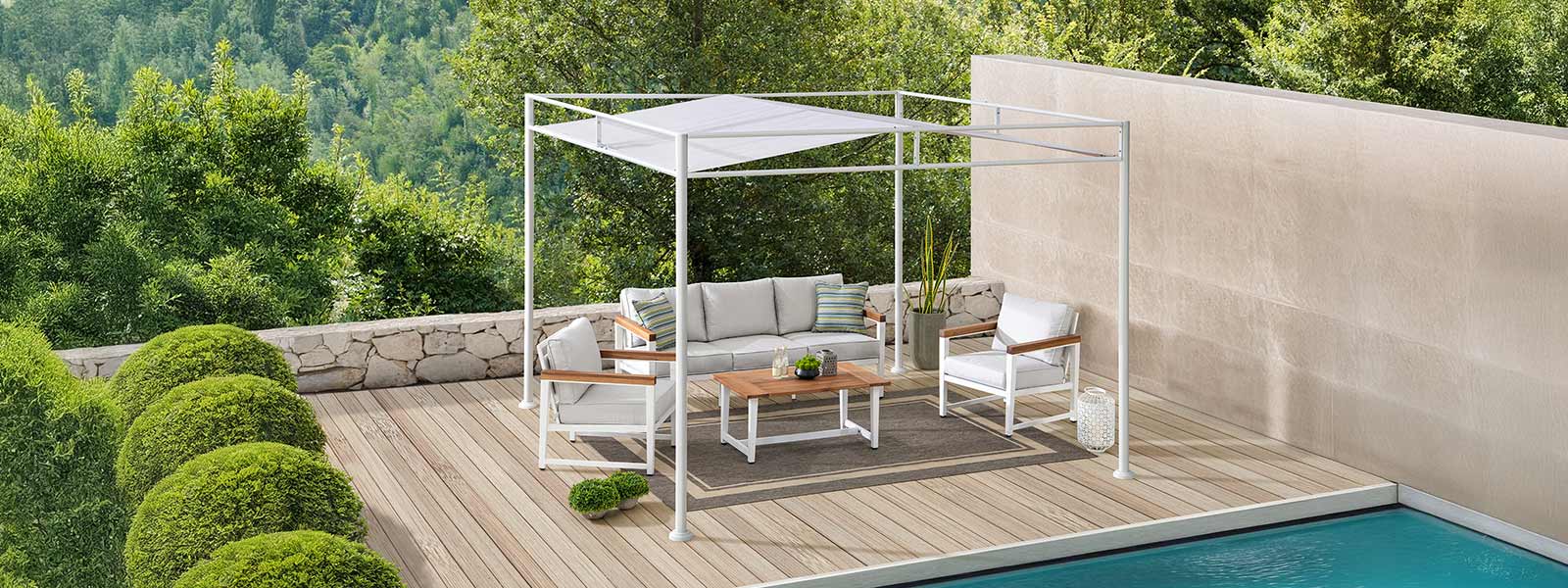
Why classic fixes fail — a hands-on look at real pain points
Last June I fit an aluminum freestanding pergola model A-120 into a narrow Charleston alley; 72% more neighbors lingered in the evenings—what if every compact lot could deliver that same social lift?
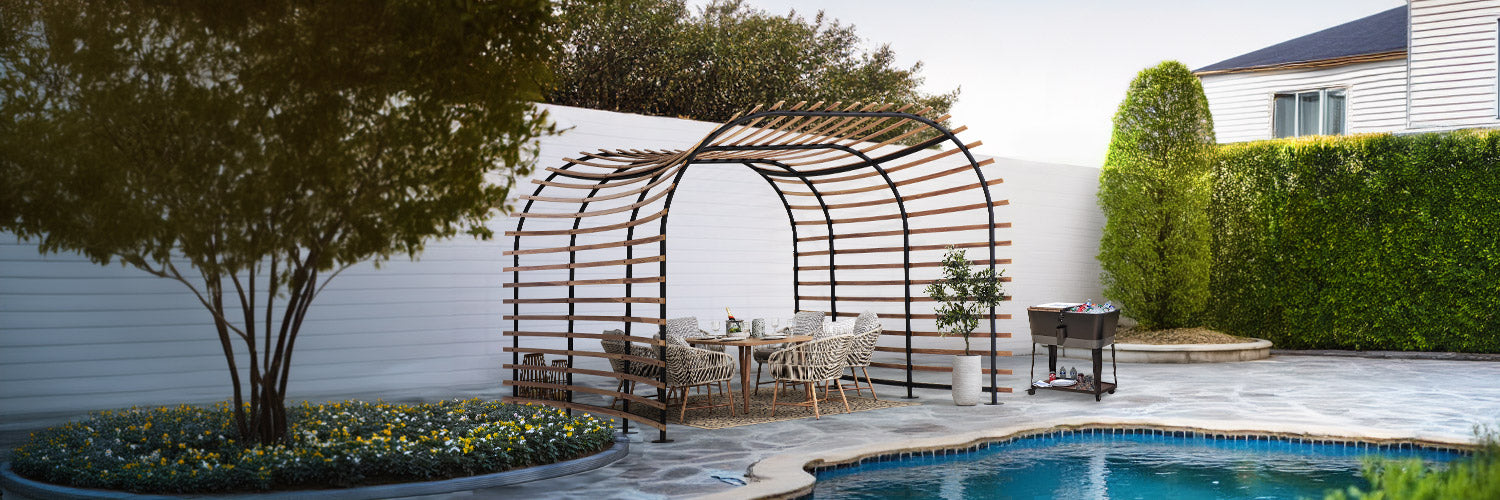
Patio Pergola reality is messier than the glossy photos (and yes, I’ve sworn at a bent post on a rainy install). I link this directly to product selection—see pergola designs for patios—because the choice between a louvered roof and a fixed-beam kit changes installation time, warranty claims, and customer satisfaction. After 17 years selling outdoor structures to wholesale buyers and spec-ing projects across Charleston and Raleigh, I repeatedly see the same flaws: mis-specified load-bearing assumptions, poor UV-resistant fabric leading to premature fading, and unclear post anchoring instructions that cause field rework. One project in June 2023 taught me a concrete lesson: swapping to a heavier-gauge aluminum frame dropped returns by 18% over six months. Those are not abstract numbers—those are payroll, truck time, and reputation. Let’s unpack what users really need (and what the manuals skip), then move on to constructive choices.
Direct next steps — choosing future-ready pergola systems
I’ll be blunt: if your procurement still prioritizes lowest first cost, you’re trading maintenance headaches later. We need to evaluate systems by three comparative metrics — structural resilience, shading control, and long-term serviceability — not just sticker price. When I compare two offerings on a job in downtown Atlanta in March, the louvered roof option won for homeowner satisfaction because it delivered adjustable shade and better rain runoff; the fixed-beam model was cheaper at purchase but cost more in add-on drainage and replacement slats. For wholesale buyers, that means thinking in lifecycle costs, dealer training hours, and spare-part availability. I recommend weighing installation labor (hours per unit), warranty incident rate (claims per 100 units), and component modularity (ease of replacing a canopy or post) when you evaluate pergola designs for patios. Those three metrics will save you money and grief — I’ve seen it reduce field callbacks by a third on repeat accounts. What’s Next
What’s Next
Here are three concrete evaluation metrics you can run against any bid: 1) Installation time per crew (tracked over two installs), 2) Predicted parts replacement rate (ask vendors for historical data), 3) Compatibility score with existing site anchors and utilities. I’m not trying to sell a feel-good idea — I’m sharing what I track weekly. Try this on your next quote; you’ll spot the risky low-cost bids immediately. Oh, and don’t forget—vendor documentation matters. Interrupting myself here: clear drawings save hours. For practical help, I’ve always leaned on suppliers who back their specs with field-tested numbers. For more options and product details, check SUNJOY — SUNJOY.