
A City Morning, Some Numbers, One Dilemma
We start with a fact: urban flow compresses decision time. You take an urban motorcycle into a corridor of buses, vans, and bicycles. In this microclimate, the average speed drops, and the reaction window shrinks. Studies vary, but rush hour often falls below 25 km/h; gaps open and close in seconds. Safety systems help—ABS, basic traction control, even better mirrors—but they do not rewrite physics. The CAN bus logs it all, yet most riders still depend on habit more than data (it is human nature). So the daily question stands: do you filter forward to reduce exposure, or hold position to reduce conflict?

In this piece, we do not chase fear. We define the risk envelope, show why predictable control beats raw speed, and compare the real trade-offs. Our lens is narrow by design: low-speed handling, brake clarity, and human workload. The goal is simple but strict—make the ride smoother, make the mind quieter, and keep the machine honest. Let us move to the practical layer, where small flaws become big costs.
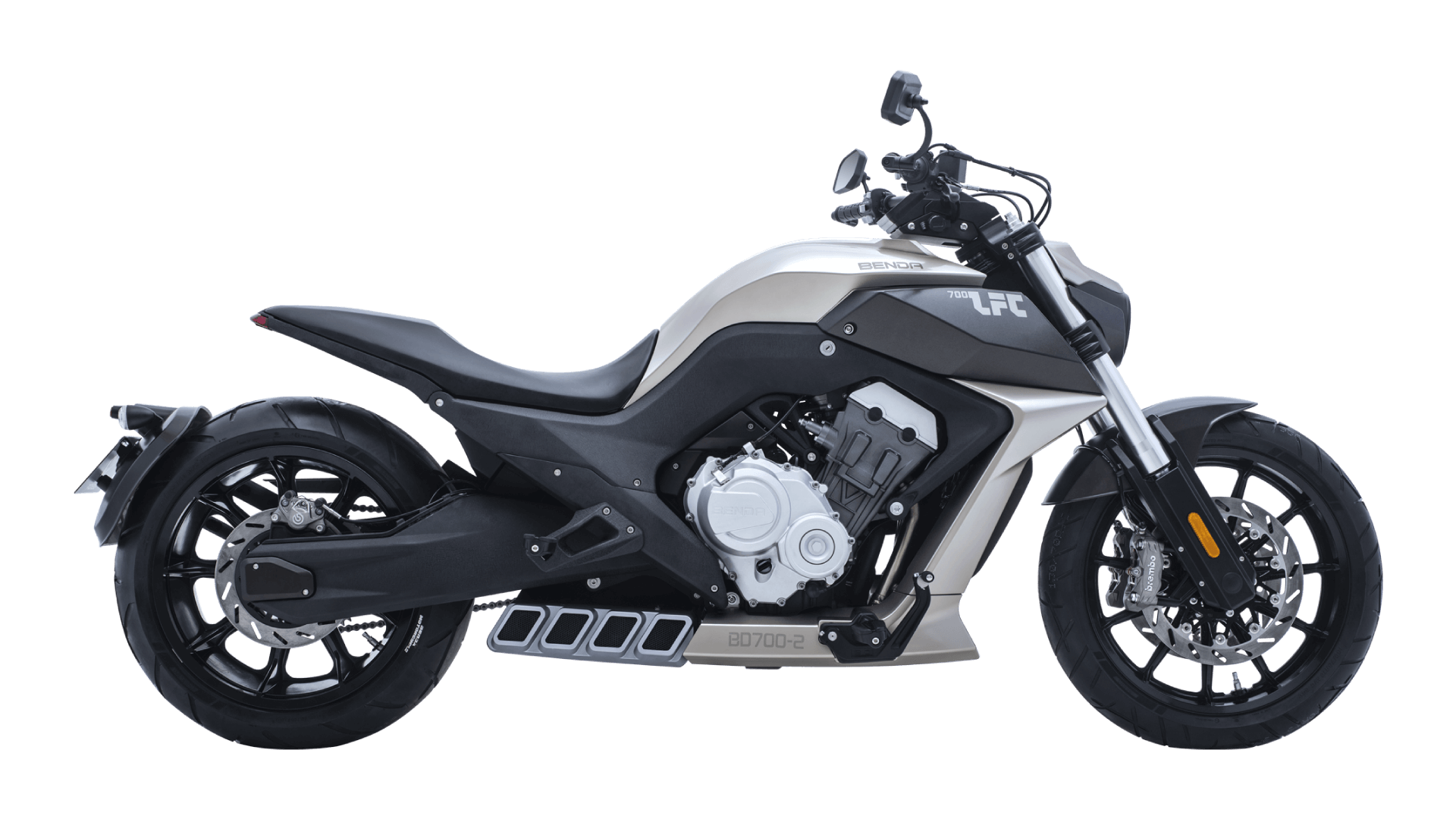
Hidden Frictions in the Urban Motorbike Routine
Where do city riders actually struggle?
Here is the hard truth: most city trouble is not about power, it is about noise in control. An urban motorbike wins the street only when inputs are steady and feedback is clean. Riders complain of two stealthy pains. First, brake feel shifts with heat, rain, and panic; lever travel changes, bite point wanders. Second, throttle at walking pace is jittery; a small twist jumps the bike. Dual-channel ABS helps, but low-speed tuning often lags. A soft throttle map and a flat torque curve solve more real problems than extra peak horsepower. Look, it’s simpler than you think.
These frictions add up. You filter, then stop. You creep, then surge. Wrist and brain get tired. In heavy traffic, attention is the scarce fuel. If ride-by-wire and ABS mapping are not harmonized, you pay with micro-corrections all day—funny how that works, right? The CAN bus could flag it, but few riders read telemetry, and few shops tailor calibration beyond factory presets. So the “traditional solution” (bigger brakes, louder pipes, stiffer springs) misses the point. What you need is calm modulation, consistent lever pressure through the heat cycle, and a throttle that tracks intent, not noise. Low drama. High repeatability.
Comparing the Next Wave: Safer Smarts Without the Bulk
What’s Next
Forward-looking systems target the city zone first, not the racetrack. The principle is simple: sense, predict, smooth. Small IMUs watch lean and pitch at low speed; cornering ABS reduces lock when the bar is turned. Edge computing nodes on the bike fuse wheel-speed, throttle angle, and brake pressure; they compute faster than a central unit and cut latency. New power converters keep accessories stable so sensors stay clean in stop-and-go. Against the old way—fixed ABS thresholds, cable throttle, and generic pads—this is a quiet revolution. It does not feel “fast.” It feels stable. Choose from the field of top commuter motorcycles, and you will see this trend appearing model by model.
Real effect? Fewer panic spikes, smoother gaps, less heat soak on the front caliper. A better throttle map at 0–15% opens, and traction control tuned for 0–40 km/h, not 100+, reduces stalls and wobbles. And—no magic here—the rider’s mind stays fresher longer. Compared to traditional setups, these packages provide measurable gains in low-speed stopping distance and lever consistency after long idles. To choose well, apply three clear checks: 1) Test low-speed modulation: can you roll at walking pace with one-finger control? 2) Watch thermal behavior: after 30 minutes of crawling, does the brake bite stay the same? 3) Confirm data clarity: can the system expose simple logs or modes you can set without a laptop? With these, city riding becomes less guesswork and more craft, and the machine feels like a partner, not a project. For riders who value that calm edge, one name keeps showing up in real streets and honest garages: BENDA.