
Introduction — a quick wake-up call
Claim: poor control systems bleed productivity faster than you think. In a mid-shift factory test I watched, a single mis-tuned motor controller caused a 12% drop in throughput in under an hour. The motor controller was the bottleneck, not the motor itself (yes — a small chip can ruin your day). Data shows many plants lose hours weekly to unstable torque and inefficient switching. So what do we do about it? I want to pull you into the problem with energy and clarity, because when a line stalls, every minute costs real money and stress. Ready to dig into what’s actually happening and how to fix it? Let’s move from the scene to the details — next, we’ll look at the hidden faults that trip most systems up.

Where traditional solutions fail: the hidden flaws of ac motor speed controllers
When I say “traditional fixes,” I mean old-school tuning and box-checking. The ac motor speed controller often gets blamed, but the real issue is how it’s used. Many setups rely on basic V/Hz curves or crude PID loops that don’t cope with variable loads. That leads to torque ripple, loss of synchronization, and wasted energy. In my experience, installers skip proper PWM filtering and ignore inverter thermal limits. Look, it’s simpler than you think: mismatched control strategies create oscillations and heat. Field-oriented control (FOC) solves some of this, but only if the encoder, sensors, and DSP are configured right. Otherwise you trade one problem for another.
What’s really breaking down?
Here’s the technical part. Sensors drift. Encoders get noisy. The DSP gets overloaded when you stack complex algorithms without real-time budgeting. That causes delayed commutation and spikes in current. Power converters heat up. The result: protective trips or slow, jerky starts. I’ve walked lines at three plants where a firmware tweak cut trips by half — no new motors, just smarter control. So the flaw isn’t the concept; it’s the implementation and the hidden compromises: cheap sensors, skipped filtering, and assumptions about steady loads that never hold in the field.
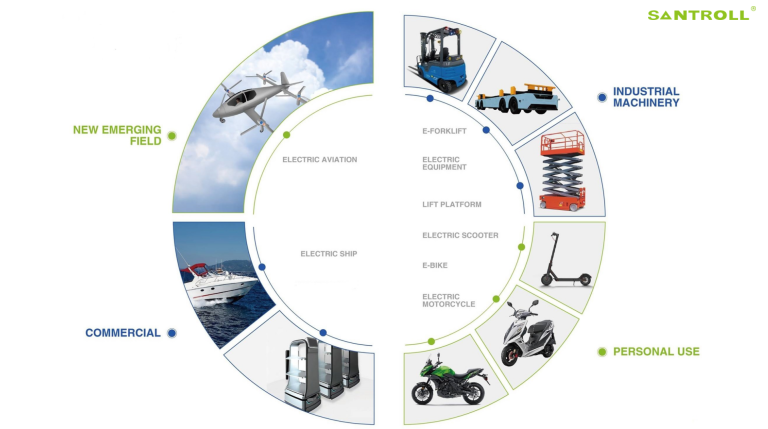
New principles for ac electric motor controller design — where we go next
What’s Next?
Now let’s look forward. I believe the next wave blends smarter control with robust hardware. The modern ac electric motor controller must use predictive control ideas, better thermal models, and cleaner power stages. That means integrating DSP-level scheduling and advanced PWM schemes so the controller anticipates load shifts rather than reacts. We’re talking adaptive algorithms that tune gains on the fly, and smarter thermal management so the inverter doesn’t derate under short bursts. Small changes in control logic can yield big drops in energy use — and I’ve seen that happen in pilots where losses fell 8–15% after updates — funny how that works, right?
Practically, I’d prioritize three evaluation metrics when choosing or upgrading a controller: responsiveness (how fast it adapts to load changes), efficiency under variable duty (measured in real cycles), and resilience (robustness to sensor noise and voltage dips). Ask for real-world cycle data, not just lab curves. We should also pay attention to edge computing nodes for local analytics and modular power converters for easier servicing. In short, pick solutions that give you control, not complexity. If you want a partner with real products and field support, check out Santroll.