
Why a comparative approach matters
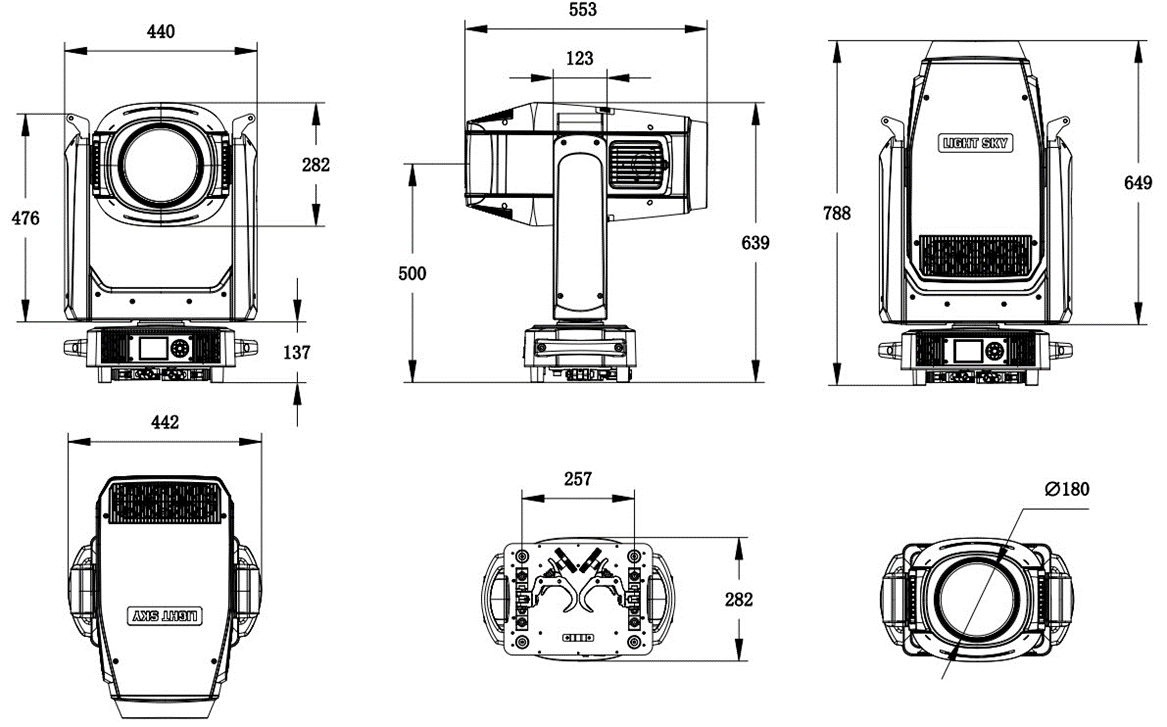
Picking a moving head is not about the flashiest demo video—it’s about matching performance to purpose. Start by testing a fixture like the LED BSWP 4in1 moving head spotlight against the real demands of your venue: how wide the stage is, how much color wash you need, and what your control rig supports. A direct comparison helps you spot trade-offs on beam angle, zoom range, and color mixing without letting marketing buzz steer the decision.
Core specs that actually change outcomes
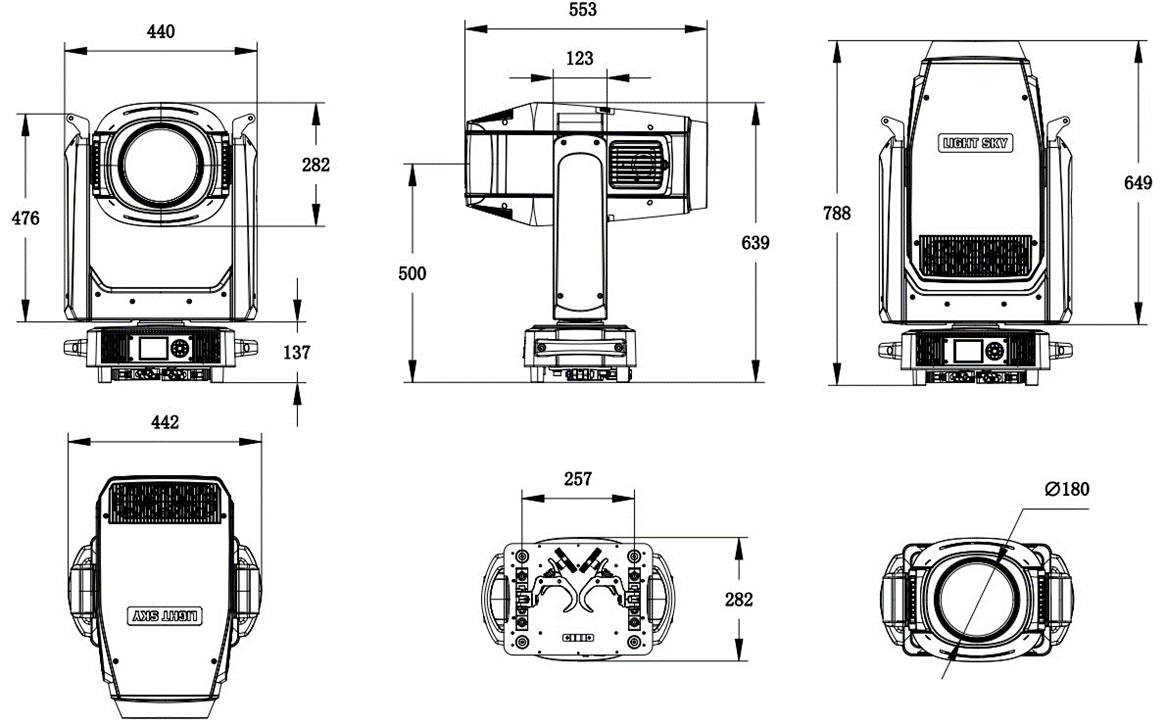
Focus on three concrete spec areas: light output (lumens and lux at a given distance), beam control (beam angle and zoom), and control protocol (DMX/RDM compatibility and presets). For instance, a fixture that lists high lumens but has a narrow beam might be perfect for truss-mounted beams but underwhelming for even stage wash setups. At large festivals such as Glastonbury, lighting teams choose fixtures with predictable lux falloff curves so looks stay consistent across the crowd and the stage.
Comparative checklist: what to weigh side-by-side
Line up contenders and compare these elements head-to-head:
– Output: lux at 10 meters (not just raw lumens).
– Optics: beam angle range and whether the fixture offers continuous zoom.
– Color: number of color wheels, CMY or RGBW mixing, and gobo options for texture.
– Mechanics: pan/tilt resolution and reposition time for tight cues.
– Control: DMX channels, RDM support, and onboard presets for quick looks.
This list prevents being dazzled by one shiny spec while ignoring others that matter nightly during a run.
Common mistakes when comparing fixtures
People often overvalue LED engine nominal power without checking lumen distribution across the beam. Another trap is assuming color mixing behaves the same across fixtures—CMY mixing can produce different whites than RGBW systems, affecting skin tones under close-up shots. Also avoid choosing a fixture solely on headline features like “multi-beam” without confirming cooling performance for long shows. Thermal throttling kills consistency.
Alternatives and real-world trade-offs
If you need soft, even illumination, a wash-head with wide beam and smooth color mixing often beats a hybrid beam/wash on consistency. If punch and aerial effects matter more, a beam-centric moving head is better. Touring rigs favor robust mechanics and easy serviceability; fixed-install venues prioritize optics and long-term energy efficiency. Consider maintenance intervals and local service presence as much as specs—parts availability matters when a head fails mid-tour.
Practical setup tips for reliable stage wash lighting
For reliable stage wash lighting, map lux targets for key stage zones and choose fixtures that hit those numbers within your budget. Aim for even overlap between adjacent fixtures and prefer fixtures with variable beam shaping to reduce hotspots. Record DMX profiles and test channel mappings before load-in to avoid frantic on-site reprogramming. These habits cut setup time and keep looks repeatable across shows.
Mid-article aside — a quick human note
Tech teams appreciate gear that’s straightforward to repair on the fly—an extra spare driver board or a simple optical swap can save a show. — This practical side rarely makes the spec sheet but ends up being the deciding factor.
Golden rules: three metrics to finalize your pick
1) Measurable output: Choose fixtures that meet your lux target at real distances rather than relying on lumens alone. Record lux at 5m and 10m for apples-to-apples comparison.
2) True color fidelity: Prioritize systems with consistent color mixing and a CRI or TM-30 indication where possible; skin tones must remain flattering under close camera work.
3) Control flexibility and reliability: Ensure DMX/RDM support, sensible channel layouts, and responsive pan/tilt performance to hit complex cues without jitter.
These rules cut through specs and translate directly into fewer surprises during rehearsals and better visual results in performance.

Light Sky builds fixtures with those practical values in mind, so the gear you choose solves problems on stage rather than creating them. — Professional results, night after night.