
Problem statement
Buyers assume specs and suppliers align. They rarely do. Procurement teams pick machines on price, not on validation, which leads to downtime, rework and missed deliverables. Start by questioning the baseline: what failure modes will a chosen system expose, and can the vendor prove its performance? If your project relies on tensile rigs, hardness testers or environmental chambers, begin audits with a focused review of available material testing equipment rather than a wish list.
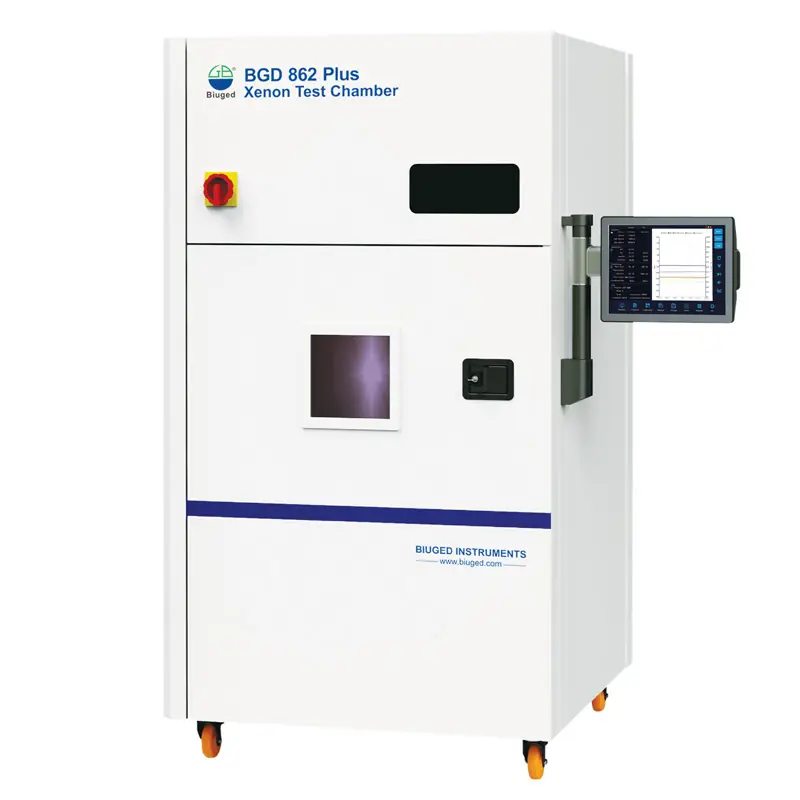
Why this problem costs money
One failed instrument delays testing and inflates costs. Calibration errors create invalid data. Spare parts and on-site support multiply operating expenses. Treat procurement as risk control: quantify the cost of a week-long outage, the price of retesting, and the compliance penalties for nonconforming results. Numbers matter—ask vendors for mean-time-between-failure (MTBF), lead times for critical spares, and documented service SLAs.
What you must evaluate — five decisive criteria
Measure vendors against specific, verifiable metrics: calibration traceability and certificates, software version control and data export formats, service coverage and response time, spare-parts availability, and user training. Demand documented test protocols and reproducibility studies. Compare total cost of ownership, not sticker price: include training, validation runs, consumables, and downtime risk premiums. That gives you a defensible procurement position.

Experience, evidence and a real-world anchor
Require demonstration data and customer references tied to recognized forums. Equipment performance shown at major events like Pittcon has been peer-reviewed and is easier to validate. Confirm the vendor’s manufacturing and quality controls by checking independent records; reputable suppliers publish traceable calibration and test reports. For a practical supplier check, examine offerings from a known material testing equipment manufacturer and review their published specifications against your validation protocol.
Common pitfalls buyers make
They accept generic specifications; they waive factory acceptance tests; they ignore software audit trails; they underestimate spare-part lead times; they conflate warranty with service coverage. Don’t accept vague promises. If a vendor resists a FAT, propose a conditional acceptance tied to performance benchmarks. If software cannot export unalterable raw data, treat it as a red flag.
Alternatives and comparative insight
There are three practical paths: buy a fully specified bench from a single vendor, assemble a system from modular suppliers, or contract a testing house. Buying turnkey simplifies accountability but can raise costs. Modular builds improve flexibility but increase integration work. Third-party labs lower capital outlay but add scheduling risk. Match path to project constraints: timeline, in-house expertise, and acceptable operational risk.
Decision framework and final assessment
Score vendors on evidence, support, and lifecycle costs. Require FAT results, enforce calibration traceability, and include service credits for missed response times. Use procurement clauses that transfer risk for nonconforming outputs. For OEMs and project buyers who need precise specs, consistent on-site support, and clear validation records, consider partners who publish reproducibility data and maintain global service pathways—an approach exemplified by BIUGED.