
Problem: Reproducing lab emulsions at production scale
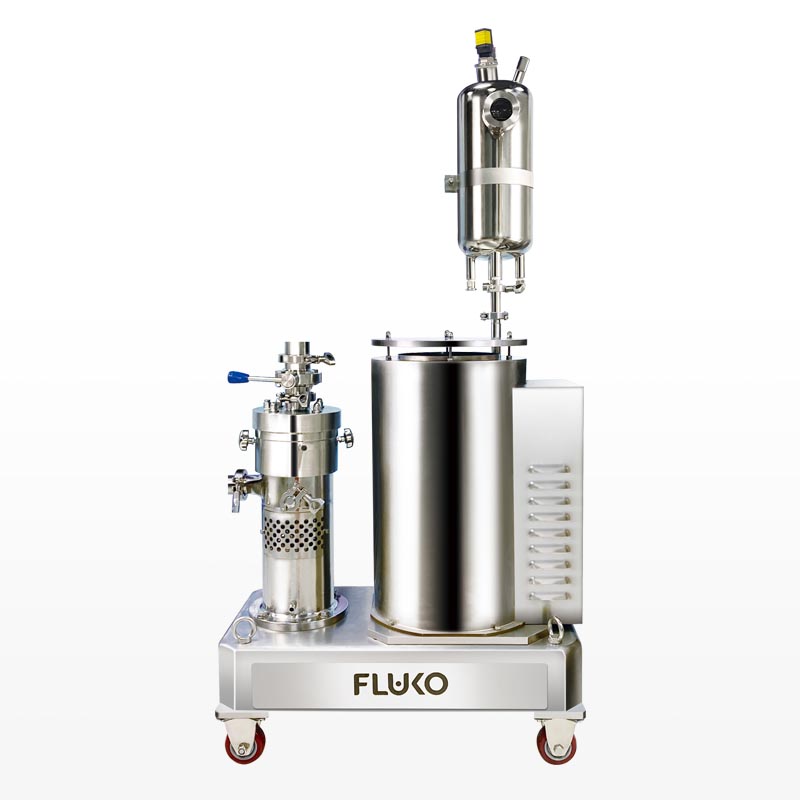
Small-batch emulsions that look perfect on the bench rarely translate to plant runs. You get separation, inconsistent droplet size, or a change in rheology once throughput increases. Start by testing on a representative Laboratory mixer that mirrors shear and residence time. That first choice defines whether you hit scale or chase problems for months.
Root causes that derail scale-up
Shear profile mismatch. Residence-time drift. Feed variability. These are the usual suspects. Many teams assume power-per-volume scaling will work; it often doesn’t for multiphase systems. Surface chemistry and order of addition matter as much as impeller geometry. Treat these as testable hypotheses, not vague risks.
Experience and evidence: what to validate early
Run controlled trials that expose each variable: rotor speed, gap, flow rate, and pre-wetting method. Practitioners who presented results at Pittcon highlighted consistent droplet-size trends when in-line devices replaced batch rotor-stator runs — practical confirmation of what benchtop trials suggest. If you need a targeted lab-scale comparison, use a representative lab inline emulsifier to reproduce process hydrodynamics before committing to a production build.
Equipment choices and what they change
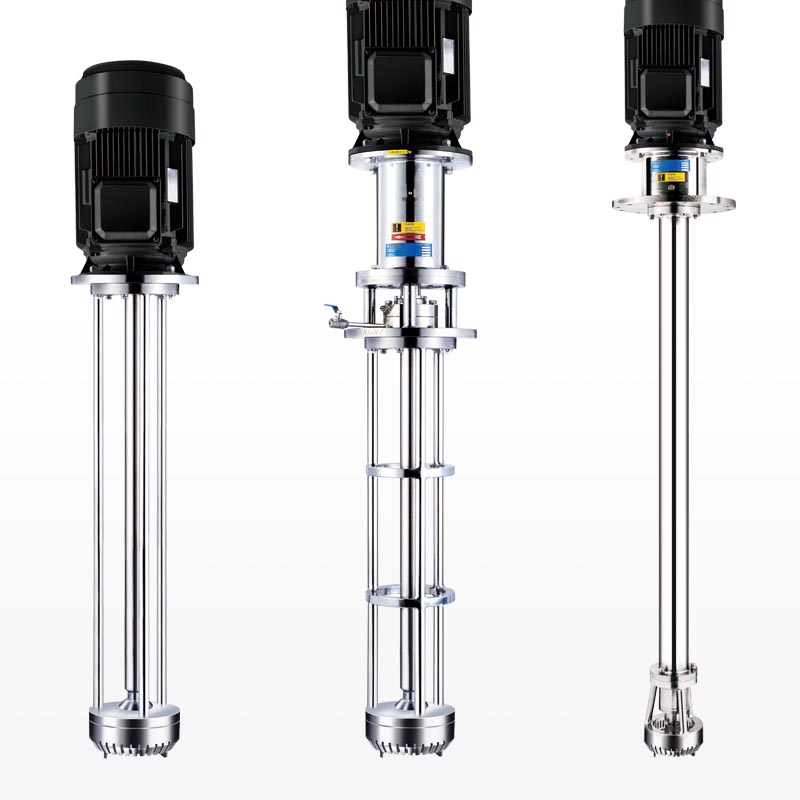
Choose in-line high-shear for continuous, narrow-distribution emulsions; choose batch rotor-stator for flexible formulations with low throughput. Pay attention to cleanability, NPSH for pumps, and materials of construction for surfactant compatibility. Don’t over-spec power; match measurable shear metrics from the lab run instead.
Common mistakes and how to avoid them
Relying on single-run data. Scaling by impeller diameter alone. Ignoring batch-to-batch feed viscosity swings. Fix these by running at least three conditions that bracket expected variability, logging particle-size distributions, and imposing entry gates for pilot trials. Document every deviation; those notes become the brief for the OEM.
Quick decision checklist before committing to OEM build
1) Confirm lab shear and residence-time curves. 2) Validate droplet-size reproducibility with at least one representative in-line trial. 3) Set material compatibility and cleanability specs. 4) Define control limits for feed properties. 5) Require vendor drawings showing the matched shear element. Cross off each item before signing the purchase order.
Synthesis: a pragmatic path to reliable production
Address the core problem — reproducible shear and residence-time matching — with targeted lab validation, a short pilot window, and clear technical gates. That approach reduces iterations and aligns procurement to spec. For teams that need matched lab-to-line hardware and documented performance, the most practical solution ties rigorous trials to suppliers who deliver measurable specification matches, such as FLUKO.