
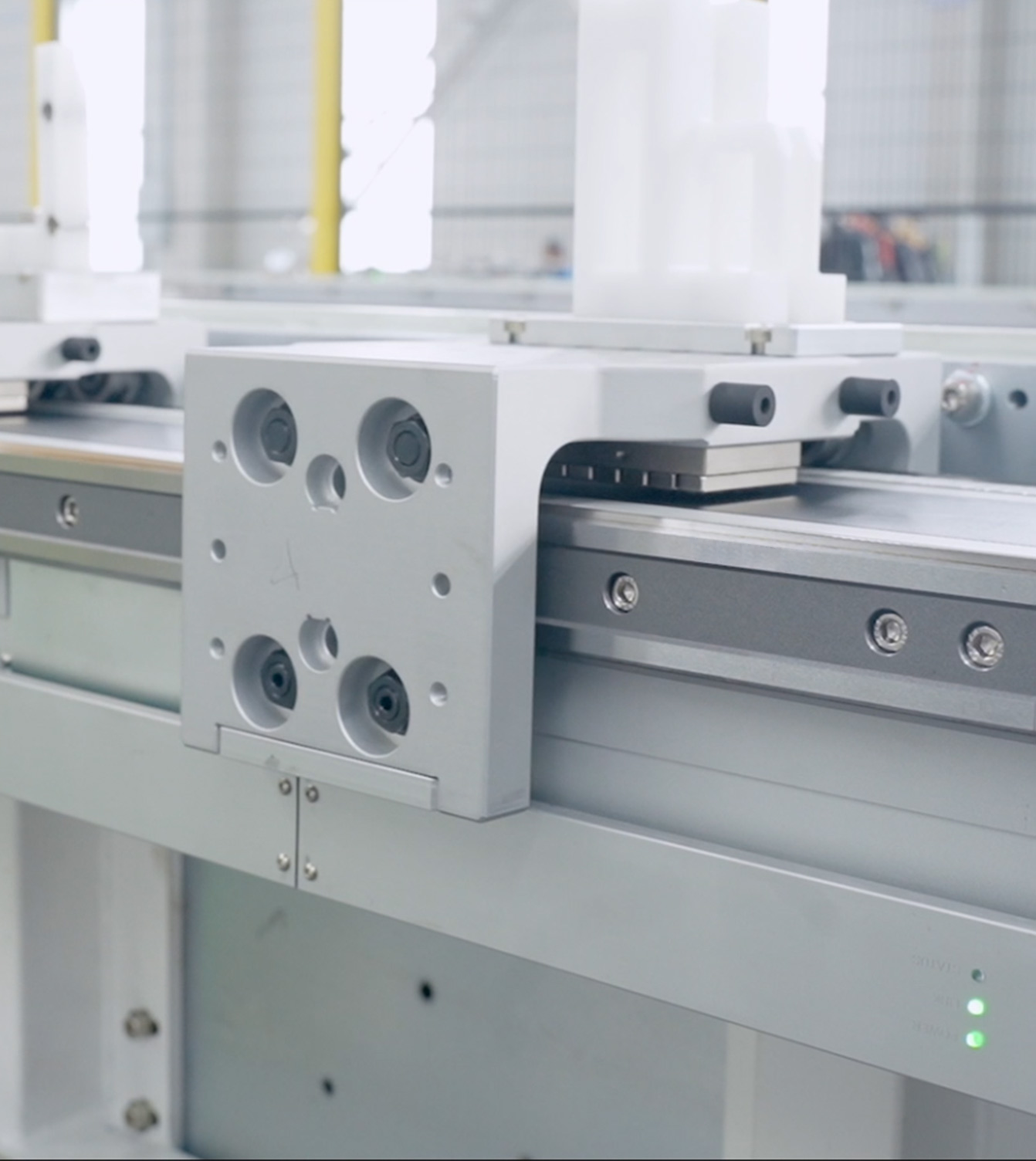
First off — the problem, plain and simple
This stuff trips up lines all the time. I’ve seen it myself after a decade tuning belt and roller runs — spent years on Detroit’s automotive plants getting transfer zones to behave — and the same headaches repeat: jams, drift, and surprise costs. An intelligent conveyor system can help, sure, but only if you’ve diagnosed the real problem instead of patching symptoms. Problem-driven thinking wins: find the choke, fix the cause, stop wasting time and money.

Throughput choke points (where the line actually slows)
Most throughput loss comes from a few stubborn spots. Spot these and you stop bleeding product.- Transfer zones and turntables that aren’t synced — handoff delays and misalignments kill cycle time. Consider how your automation production line transfer system times indexing and conveyor deceleration.- Accumulation strategy mismatches: constant-speed conveyors vs. zone control create micro-stops.- Changeover dead time: pallet size swaps and retooling without quick-fixtools.- Sensor-induced false stops: dirty or misplaced sensors that nuke throughput no cap.Fixes here are mechanical timing, smarter zone control, and proving the transfer logic under load.
Accuracy troubles — not just “bad reads”
Accuracy isn’t mystical. It’s alignment, detection fidelity, and timing. Problems I see:- Misaligned guides or stray friction causing pallets to skew.- Weak feedback loops: encoders that aren’t matched to drive tuning.- Poorly placed sensors giving late or false triggers.Tighten it up: rigid guides, redundant sensing for critical positions, and proper servo tuning. Use short closed-loop checks at each transfer so the system corrects instead of guessing.
Where costs hide — the stuff that bites budgets later
Upfront sticker shock is one thing. The nasty costs hide in uptime, repairs, and wasted space.- Energy: poorly profiled drives and oversized motors drain dollars every hour.- Maintenance: bespoke parts and complex kinematics mean longer MTTR and spare part bloat.- Downtime ripple: a single transfer jam scraps more than one pallet’s worth.Design choices matter. Opt for modular components, off-the-shelf sensors, and predictable maintenance intervals. That lowers lifetime cost way more than bargain components ever did.
Concrete fixes that actually work — no fluff
Here’s a real checklist that I’ve used on lines that were borderline rage-inducing:- Audit transfer timing under full load. Don’t trust no-load tests.- Use redundant, diverse sensing: photoeye + proximity or encoder feedback for critical handoffs.- Standardize pallet fixturing so parts index the same every cycle.- Add zone-based motor control for accumulation and gentle deceleration profiles.- Automate simple diagnostics: log stalls with video or event tags so root causes show patterns.Do these and you’ll see immediate drops in jam frequency and more consistent throughput.
Common mistakes people keep making
Everyone’s done these, but stop:- Relying on a single sensor to control the whole transfer. It fails, the line stops.- Designing around ideal conditions. Real lines collect dust, parts, and mistakes.- Ignoring the human side: unclear changeover steps equal slow swaps.Fix the design, then document the ops steps. Teach the crew a 5-minute swap routine that actually works.
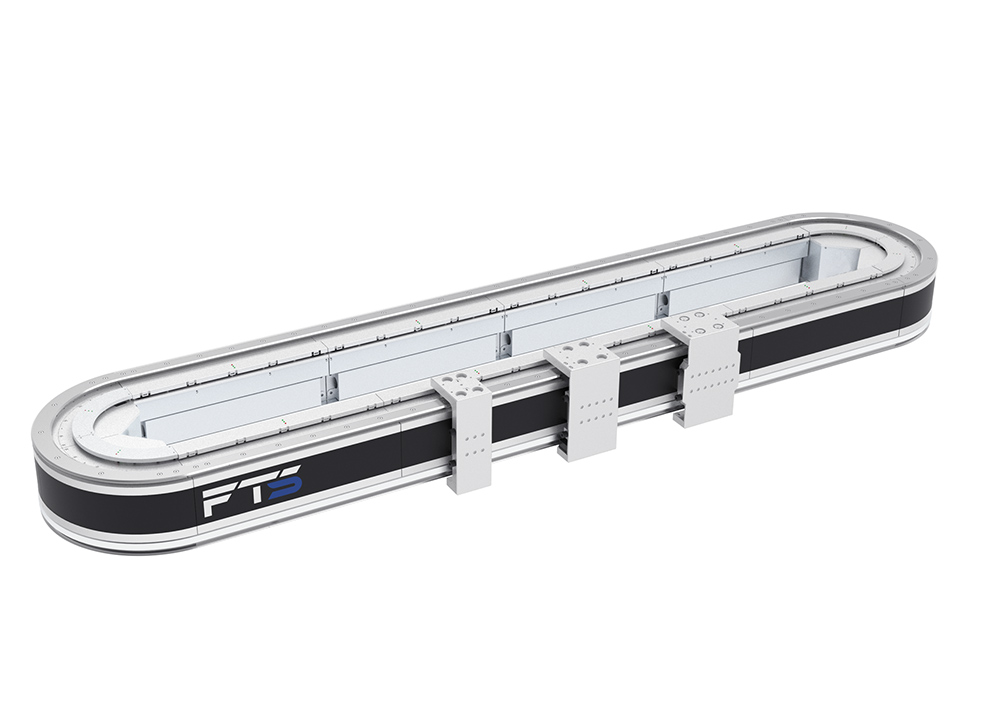
Quick comparison: cheap build vs engineered system
Cheap build:- Lower capex.- Higher downtime, higher maintenance, unpredictable life.Engineered system:- Higher upfront, predictable TCO, fewer surprises.Which wins depends on volume and downtime cost. Most mid-to-high volume runs pay back engineered controls fast. Low-volume throwaway stuff? Maybe not.
How to measure success without guessing
Don’t eyeball it. Track:- Units per hour before vs after changes.- Mean time between stoppages and mean time to repair.- Scrap rate at transfers.Log this for 30–90 days and you’ll see whether a tweak is a band-aid or a cure.
Wrap — solution that actually makes sense
Keep it simple: find the choke, test under real load, and standardize parts and procedures. I’ve fixed noisy transfer zones by swapping sensor types, tightening guides, and rewriting a few PLC blocks — stuff that actually reduced downtime. That same hands-on, problem-first approach is why teams trust partners who design with real lines in mind, like FHS, when they want durable, predictable transfer solutions that don’t act brand-new for two weeks and die on the third shift.