
The problem, plain and loud
Yo — fleets carrying temperature-sensitive goods ain’t just trucks and drivers; they’re fragile ecosystems. When a load goes off-temp, that’s product loss, regulatory heat, and brand trust gone overnight. Too many ops still run on guesswork, paper logs, or random phone calls. That’s why folks push for better cold chain fleet management — not flex, but survival. Real-world stress showed up big during the global COVID-19 vaccine distribution, proving that one lapse in temperature control can wreck an entire mission.

Why this blows up budgets and rep
Here’s the damage when problems hit: – Product spoilage and replacement costs. – Failed audits and fines. – Customer churn and lost contracts. – Idle trucks while teams chase root causes. No smoke, just facts. Teams that don’t measure and act fast end up paying triple: product, penalties, and reputation. That’s where focused solutions matter.
What actually fixes the mess
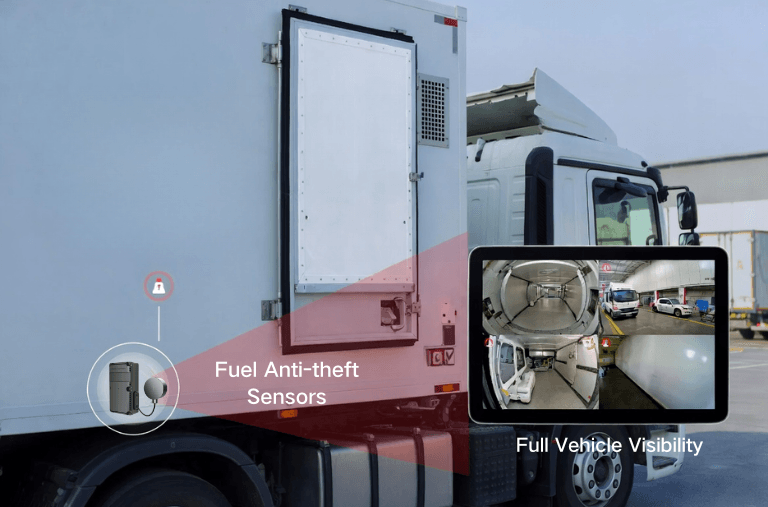
Fixes aren’t magical — they’re technical and tactical. You need live visibility, automated alerts, and traceable records that regulators can trust. A tight example is using real-time cold chain temperature monitoring combined with GPS and predictive alerts. That combo stops problems at the source: sensors detect drift, telematics flag route delays, ops reroute or adjust set points, and compliance logs print themselves. No drama, no endless blame game.
Key features to demand — no fluff
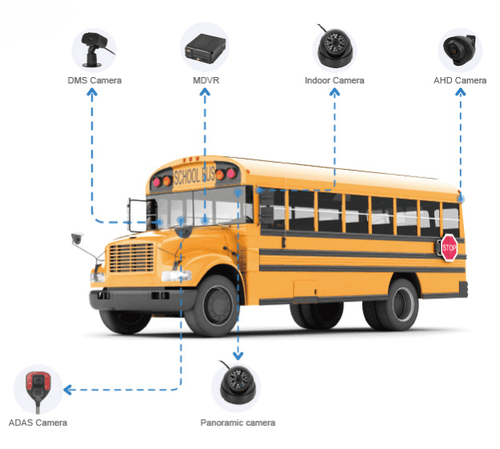
Stack your checklist like this: – Continuous, tamper-resistant temperature logs. – Geo-fenced alerts and route-aware triggers. – Battery-backed, rugged sensors for rough roads. – Clear audit trails for regulators and clients. – Simple dashboards drivers actually use. Don’t accept vague claims. Test sensor accuracy, lag time on alerts, and how the system behaves under low-connectivity conditions.
Common pitfalls crews keep tripping over
Don’t get caught up in hype. – Relying on spot checks: they miss gradual temp drift. – Overcomplicating driver UI: it ends up ignored. – Picking sensors without independent calibration. – Treating telematics and temp monitoring as separate islands. Fixing those prevents the usual 2 AM freak-outs.
How teams use this in the real world
Use cases are straightforward: pharma shippers guaranteeing potency, food distributors keeping freshness, and industrial chemicals avoiding destabilization. Plays that win: predictive rerouting when traffic delays raise temp risk, automated exception reports for audits, and centralized dashboards that let regional managers triage issues fast. That mix cuts losses and keeps customers nodding.
Picking the right partner — quick guide
Ask these direct questions: – Can you show live data from a real fleet? – How’s sensor accuracy proven and documented? – What’s the failover when connection drops? – How easy is it to pull compliance reports? Choose partners that share field reference cases, explain calibration methods, and let tech demos run against your routes.
Sum it up, straight
Cold chain fleet problems are real, but fixable with precise tools, clear protocols, and partners who’ve been in the trenches. Trust builds when tech reduces surprises, audits become routine, and drivers and managers get the same playbook. That’s the kind of steady outcome BSJ helps make plain — less panic, more predictable runs. Keep it tight, keep it measured, and the fleet stays winning. No cap.