
First steps: from chalk to coordinates
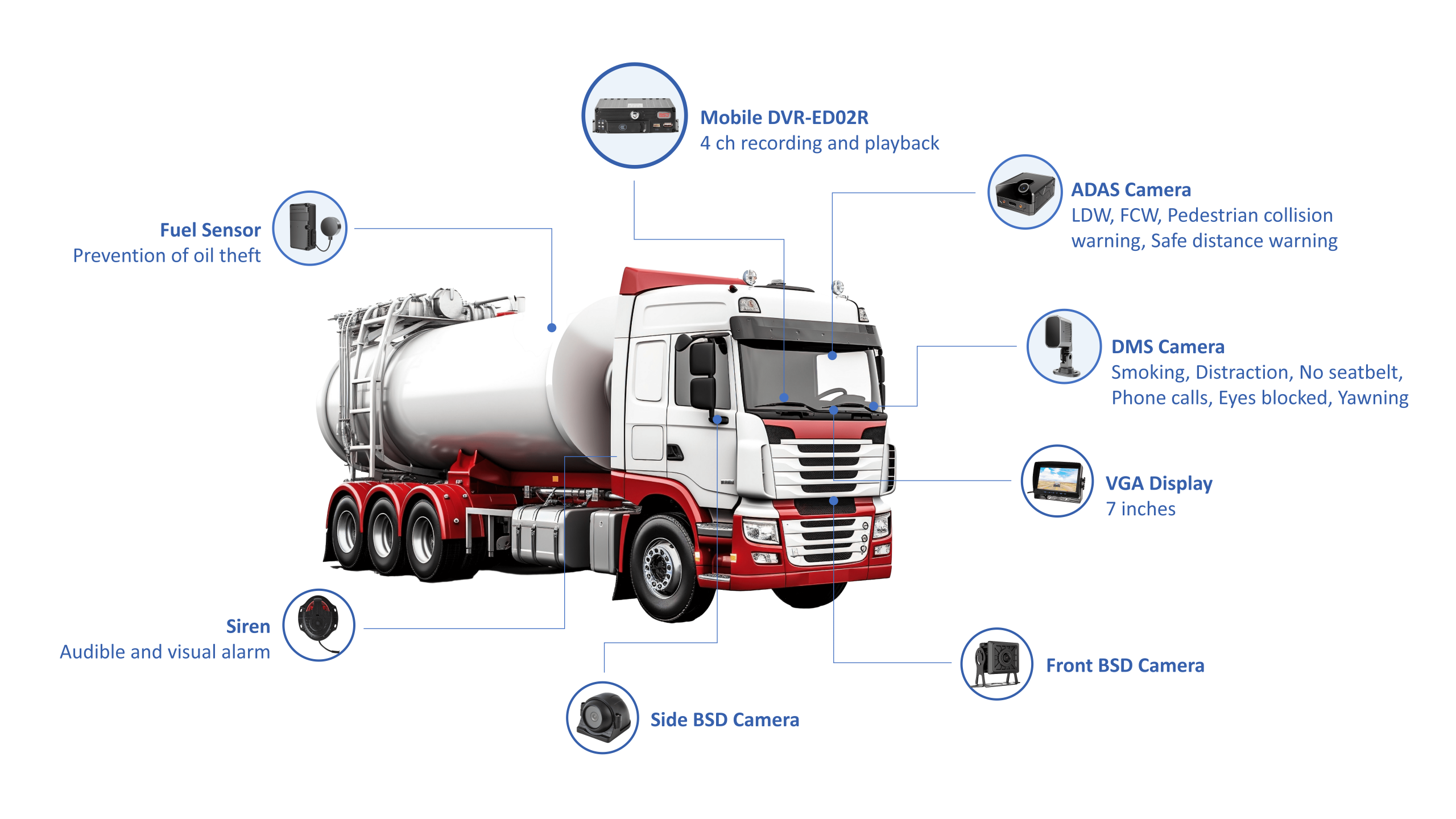
There was a time when haulage was judged by tyre tracks and memory; then the first boxes of coordinates turned up and everything bent towards order. The story began quietly, with supervisors pinning routes and paper logs to office walls, and it grew when reliable satellite fixes let crews measure distance and time properly — that early shift is the seed of modern mining fleet management. Walks across the yard, a mechanic’s note, a foreman’s instinct: those human pieces stayed, but they learned to speak with machines.
The turning points that changed how teams moved
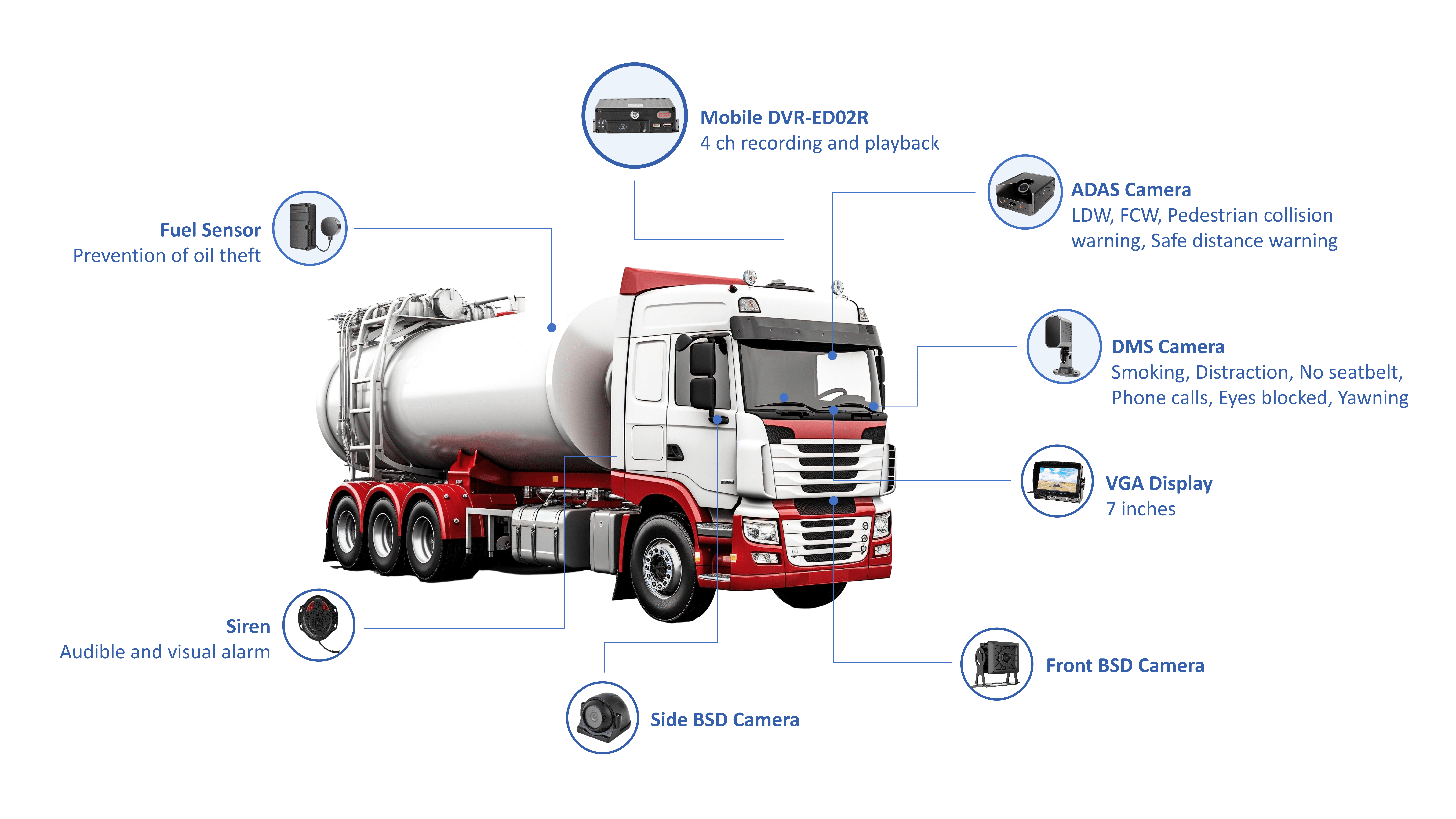
Evolution wasn’t sudden. It came in phases: GPS tracking gave every truck a true position; driver management made behaviour visible; reporting turned raw logs into decisions. Systems moved from “where is that truck?” to “why is it late?” and then to “how do we prevent delay?” A clear moment came where large-scale fleets in places like the Pilbara region of Western Australia stopped guessing and started measuring regularly — that decision visibly cut idling and reshuffled shift priorities.
What each layer brought — short, practical gains
Think of three layers stacking properly:
– GPS tracking: immediate location and route verification; simpler dispatch. – Driver management: real-time coaching, clear responsibility, reduced incidents. – Reporting tools: repeatable insights, day-to-day planning, measurable improvements.
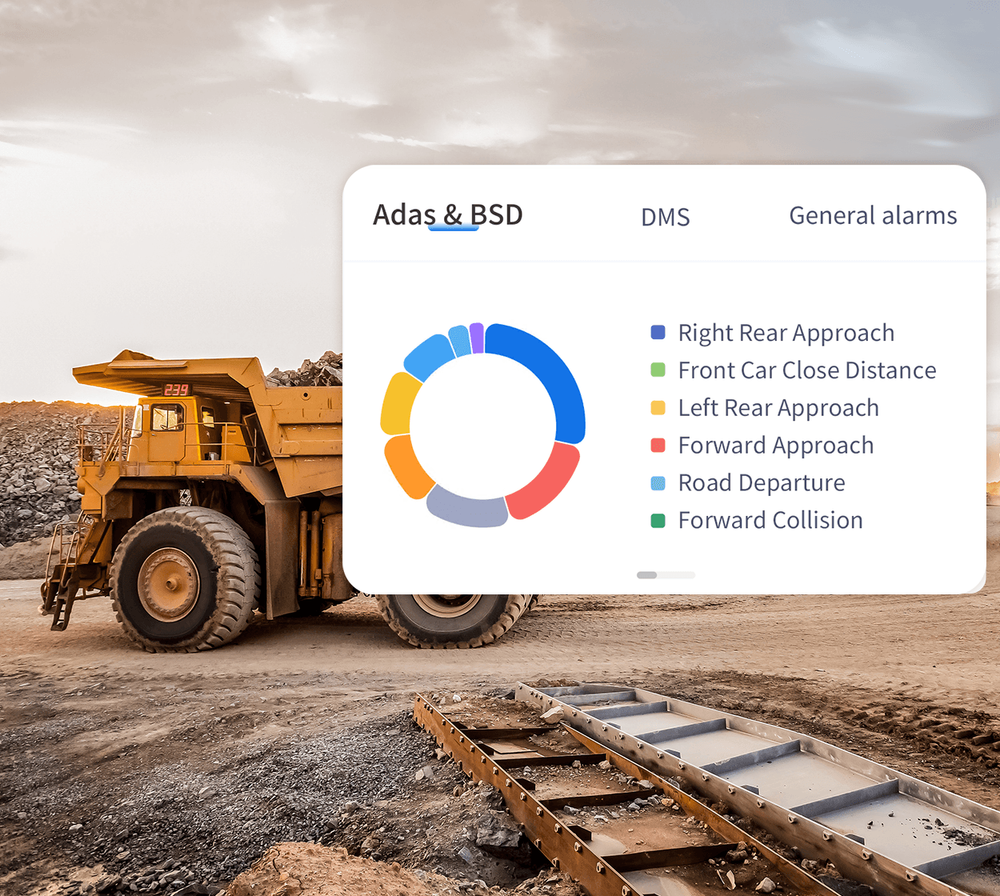
Each layer fixes a different kind of waste. You won’t get safer sites by fixing reports alone; you won’t reduce fuel burn by only retraining drivers. They have to be integrated so the lessons from reports go back into route plans and coaching.
Choosing software without getting tripped up
Operators often pick tools by headline features and then regret the gaps. Look for software that fits daily workflows and avoids adding steps. Common mistakes I see:
– Buying for bells: flashy dashboards that ignore routine tasks. – Ignoring offline performance: pits and remote roads lose signal; the system must queue and reconcile. – Skipping driver engagement: tech imposed without simple, clear coaching intsructions fails fast. – Overcustomising early: bespoke features can slow rollouts and hide core problems.
Evaluate systems with real users, and run a short pilot focusing on one crew or route. That reveals practical limits much faster than long vendor demos. When you compare options, check how they record and replay events; that’s where root causes show up. Practical comparisons often point teams toward solutions labelled as mining fleet management software because they combine location, driver data and concise reporting in one flow.
Implementation realities and steady gains
Rollouts are learning cycles. Start small, set three clear metrics (route adherence, downtime, and unsafe events), and revisit weekly. Expect friction: new alerts, more emails, different habits. Tackle one behaviour at a time and use short, visible wins to build trust. Keep the tech simple for operators: one device, clear icons, immediate feedback.
Experience and credibility
From advising on deployments to observing dashboards in operations, the pattern repeats: teams that insist on clear, usable data and that coach drivers with specific, measurable feedback move faster. Practical field experience matters more than glossy specs; that’s why hands-on trials and pilot data are the best evidence before wider purchase.
Where this path leads
The evolution story finishes not with a product, but with habits: trucks routed deliberately, drivers coached by evidence, and reports that answer precise questions. Modern platforms show how these pieces join. For many operators, the steady clarity offered by a single integrated vendor makes planning and safety simpler — a point visible in the dashboards used across mature sites and reflected in platforms such as BSJ. The result is not magic: it’s clear positions, clear responsibilities and clear choices that everyone can act on.