
The real problem with “rated range”
People buy tags that promise tens of meters and expect flawless reads; that expectation collides with reality. You need a simple lens: what stops a signal and how repeatable are your reads under those conditions. Start your tests using a controlled setup — a bench with a known antenna, calibrated tags and a fixed RFID reader — and treat manufacturer range numbers as hypotheses, not facts.
Where experience matters (real-world anchor)
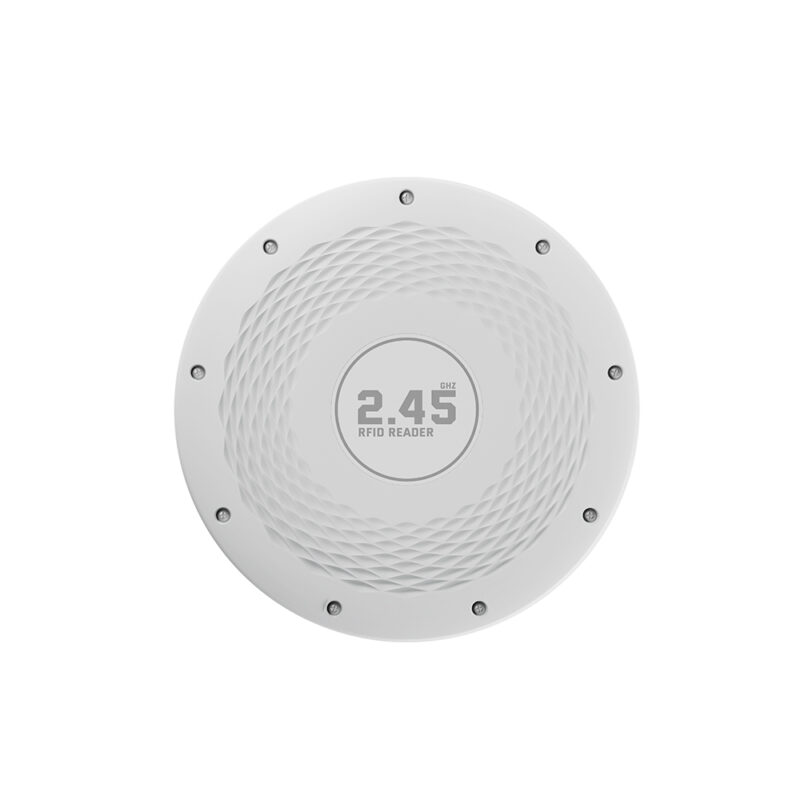
I’ve spent years running field trials at terminals and outdoor yards, and one thing repeats: port operations, like those around Port of Rotterdam, make interference and weather obvious variables. That’s why lab numbers miss the full story and why an rfid outdoor reader test in realistic conditions is essential — it connects controlled metrics to what actually happens when wind, metal, and human activity interact with radio fields.
Which measurements tell the true story
Focus on repeatable, concrete metrics: median read distance, read-rate percent at fixed distances, RSSI distribution, packet loss per minute, latency for tag discovery, and battery voltage decay over cycles. Measure each metric multiple times and record environmental state (temperature, humidity, visible obstructions). Quantify variation: a tag that reads 20 m once but 8 m most of the time is unreliable, no matter the advertised peak.
A compact test plan you can run this afternoon
Pick a flat open area and a cluttered area. Mount your reader at a fixed height. Mark distance increments (1 m or 5 m). For each distance: present the tag at three angles (face, edge, back), run 60-second read sessions, log every read with timestamp and RSSI. Repeat across battery levels and after 24 hours of continuous operation. Compare medians and outliers; prioritize stability over occasional long reads.
Common mistakes that break trust
Don’t trust a single run, single orientation, or a single environmental snapshot. Ignoring antenna polarization, not draining batteries to test low-voltage behavior, and assuming line-of-sight always exists are the top errors. Also avoid averaging without showing spread: two systems with the same mean read range can behave very differently if one has wide variance.
Alternatives to consider and when they fit
If range consistency matters more than raw distance, consider UWB for precise location, BLE for short-range low-cost presence, or LoRa for infrequent, long-range checks. Passive UHF tags fit when cost and zero-battery operation are priorities but accept shorter, less consistent reads outdoors. Match technology to the problem: long tail of consistent reads, or occasional long-distance pings — choose accordingly.
Putting quality, reliability and decisions together
Testing must be problem-driven: define failure modes first, measure what matters, and reject shiny peak numbers that don’t survive repeated trials. Use the methods above to compare devices side-by-side and prefer systems that show narrow variance and predictable degradation. That practical, tested reliability is what supports operational decisions you’ll trust from the dock to the yard, and it’s the kind of result I recommend teams seek when they look to partners like RSTC for deployed solutions.