
Start with what you actually carry
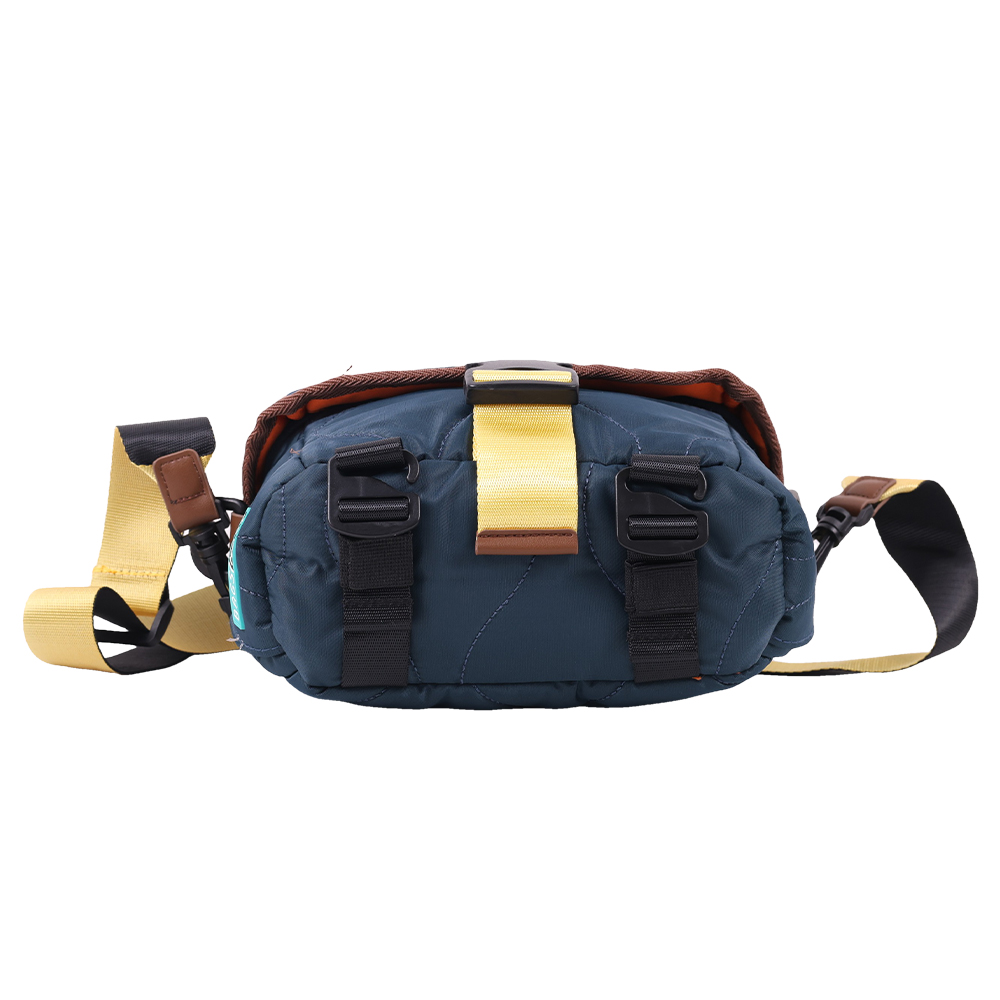
Decide on the gear you’ll need day to day—camera body, two lenses, a small flash, filters, phone and a power pack—then match that to a size and layout. If you want quick access without a full backpack, a camera sling bag often hits the sweet spot: compact, single-strap, and built for reach. List your must-haves first; everything else is negotiable.
Map compartments to workflows
User-first design means compartment logic follows how you shoot. Put the lens you swap most in the fastest pocket, keep small accessories in zipped pouches, and reserve a padded section for the body. Modular inserts that let you reorganize in five minutes are worth the extra cost—if you change shoots between street, travel, and events, adaptability beats fixed layouts.
Fit and comfort matter more than looks
Try the sling on loaded. A bag that pulls across your sternum or digs into your shoulder will get ignored. Look for adjustable strap length, an anti-slip backing, and the ability to carry the weight off your shoulder when you move. Ambidextrous straps and a sternum clip make long walks and rapid shooting less tiring.
Materials and weather protection: be specific
Choose abrasion-resistant fabrics, sealed seams, and reliable YKK-style zippers. Light padding protects gear but avoid overstuffed foam that adds bulk. For unpredictable weather, a dedicated rain cover or a water-resistant shell is non-negotiable—waterbeading fabric and taped seams matter when a sudden shower threatens a shoot.
Common mistakes people make
Buying on looks, choosing a bag that’s too big, or skipping a real-world fit test are the top three. Also, underestimating accessory storage creates clutter that slows you down. Don’t let a single flashy pocket or leather trim blind you to poor ergonomics or inadequate protection.
Quick alternatives and when they win
If you regularly carry more than two lenses or a laptop, a compact backpack is better for weight distribution. A messenger bag works for urban shoots where quick top access matters, but it usually lacks targeted padding. Sling bags excel when mobility and fast reach trump maximum kit capacity.
Experience, expertise, and a practical anchor
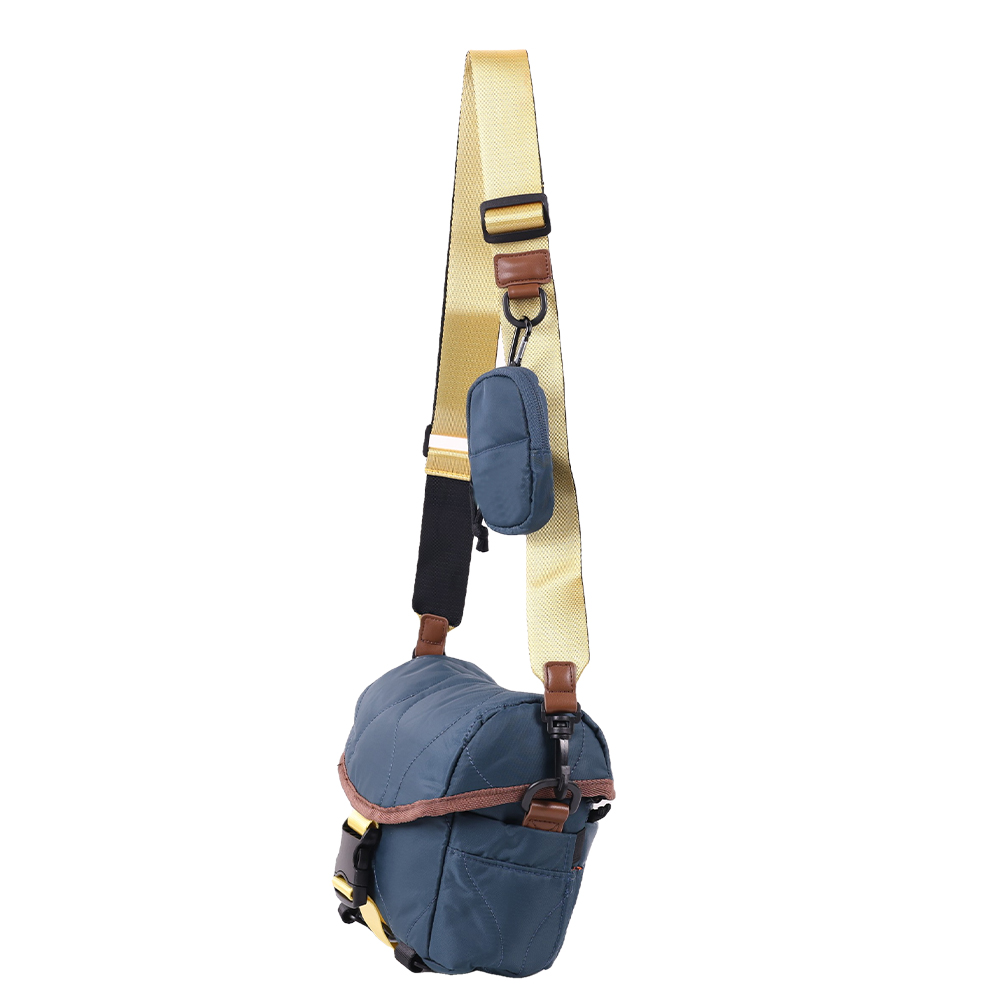
After testing gear trends at trade events like Photokina in Cologne and fielding kit for several editorial shoots, I trust solutions that balance quick access with protection. That balance shows in certain designs—take the Camera Sling Bag as an example of a compact layout that keeps a primary lens and body ready while holding small extras without bulk.
Bottom line
Pick a modular sling that matches your kit, test it loaded, and avoid style-first choices. For photographers who need reach, protection, and daily comfort in one piece, that exact balance is what I look for when I evaluate brands like ChangRong—practical choices that perform on the street and the shoot day.