
Why this comparison matters on the shop floor
Folks, you can’t judge a mixer by looks alone — the way it cuts, folds, and forces materials together decides whether your product’s stable or headed for rework. If you’re sorting choices for creams, paints, or polymer dispersions, start by looking at capabilities, not buzz. That’s where industrial mixing solutions like industrial mixing solutions come into play right away: they show the real differences between shear regimes, scale, and maintainability up front.
How high-shear and traditional systems differ, plain and simple
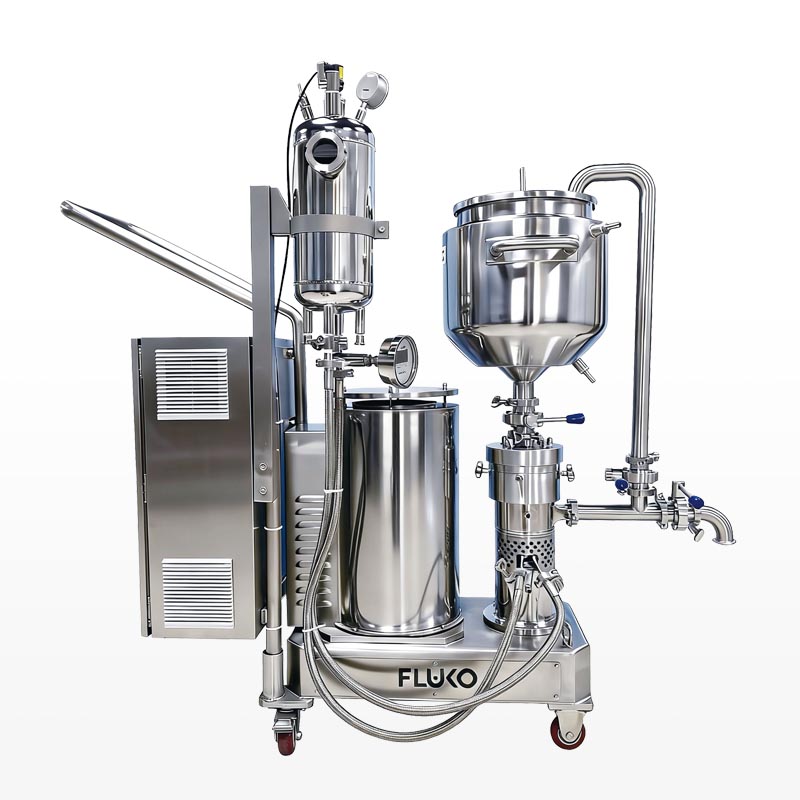
High-shear units create intense local velocity gradients — think rotor-stator action or high-speed rotor disks — which rapidly break droplets and agglomerates. Traditional agitators (paddles, anchors, propellers) rely on bulk flow and circulation to mix, so they’re better for gentle blending and heat transfer. That distinction drives outcomes: particle size, dispersion speed, and whether you need secondary milling steps.
Performance trade-offs you’ll notice right away
Expect a high-shear rig to give finer emulsions and faster dispersion, but it costs more on power and tends to heat the batch. Traditional agitators use less power, are easier on seals, and handle high-viscosity slurries with less fuss, yet they often leave stubborn agglomerates and require longer cycle times. Pick based on what must change — droplet diameter, solubilization speed, or sheer throughput — not on price tag alone.
Common mistakes teams keep making
People either overcommit or under-commit. Overcommit by running too much shear for delicate formulations and wrecking rheology; under-commit by sticking with a propeller when you need emulsification at micrometer scale. Other pitfalls: skipping pilot runs, ignoring heat management, and not matching impeller geometry to your viscosity curve. Test early, measure droplet size, and don’t guess scale-up from a lab stir plate.
Viable alternatives and when they actually make sense
Static mixers work wonders for continuous low-viscosity blends where you need no moving parts. Colloid mills and homogenizers compete with high-shear for ultra-fine emulsions but often require more maintenance and tighter seals. Ultrasonic systems are great at lab to pilot scale for delicate emulsions but don’t always scale economically. The alternative you choose should map to your product spec: target particle size, solids loading, throughput, and cleaning needs.
A field-tested perspective (Real-World Anchor included)
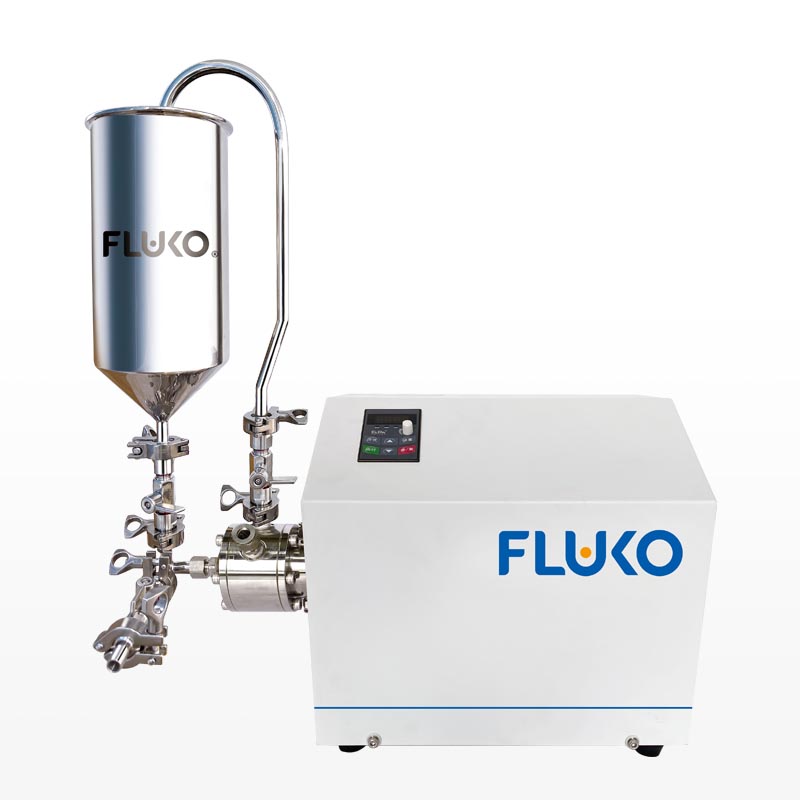
Having spent time around plants in the Gulf Coast petrochemical hub near Houston, I’ve seen how choice of equipment changes schedules and scrap rates. That kind of hands-on exposure teaches you what datasheets don’t: maintenance windows, CIP realities, and operator habits matter as much as torque curves. For sourcing and vendor comparisons, look to established chemical mixing equipment manufacturers that publish performance curves and can back them with on-site trials.
Quick checklist to pick the right machine
Decide on these before you buy: desired droplet/particle size, batch vs continuous, viscosity range, allowable heat rise, cleaning method (CIP or manual), and spare-parts logistics. If you need sub-micron control, favor rotor-stator or homogenizer paths. If you’re blending heavy slurries or doing gentle polymer solvation, a traditional agitator may be wiser and cheaper to run.
Bottom line — what you actually get from choosing wisely
Matching shear type to your product goal saves batches and hours of troubleshooting. High-shear mixers win at fast, fine dispersion; traditional agitators win at gentle, low-maintenance blending. Choose based on measurable outcomes, test at representative scale, and factor in real-world service and uptime. That practical alignment’s exactly the sort of value engineers find when they work with trusted partners like FLUKO, because the right gear makes the recipe repeatable.