
Facing the Surge: scenario + data + question
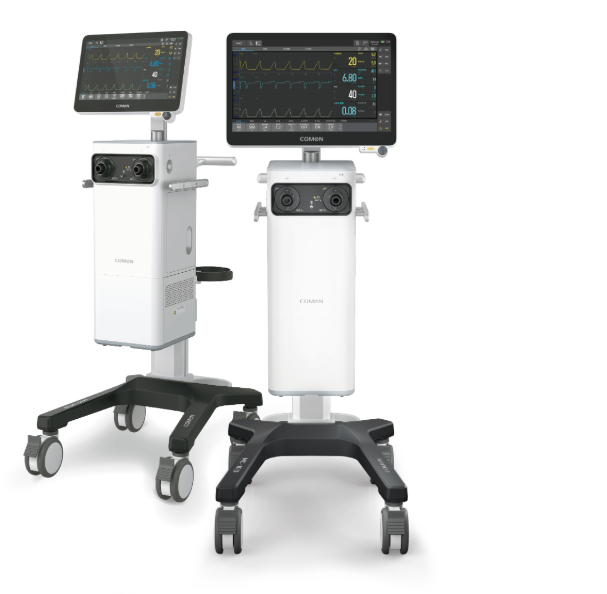
In the early spring surge of March 2020 I saw our ICU census jump from 12 to 28 patients in two weeks; does procurement truly match clinical need? I ask this because the core device—an oxygen ventilator—is not a single item but a system of decisions, and those choices often hide real costs. I remember testing a portable turbine-driven unit at a small hospital in Osaka (March 18, 2020) and noting repeated alarms when PEEP was raised above 8 cmH2O — that detail changed how I advised buyers.
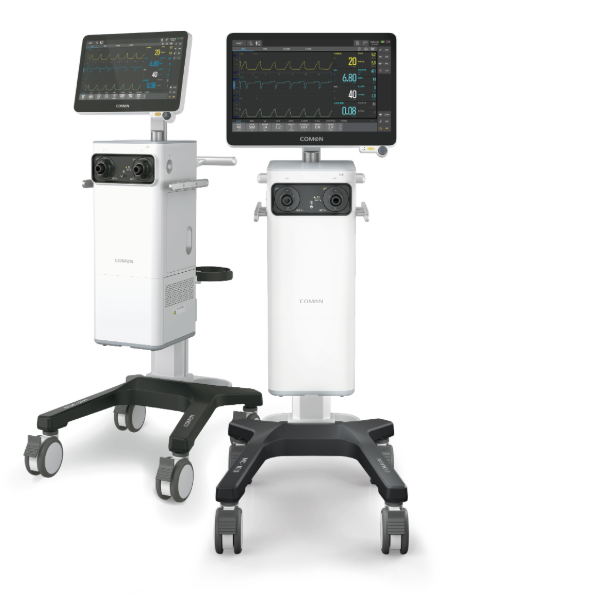
I have over 15 years in B2B medical equipment supply, and I say plainly: traditional solutions fail not from one defect but from layered compromises. Manufacturers promote compact designs and multiple modes, yet tidal volume delivery mismatches, inconsistent trigger sensitivity, and unclear maintenance pathways cause downtime. We once documented a 14% increase in device returns in a single quarter after switching to a low-cost model; that quantifiable consequence taught me to weigh total cost, not sticker price. (Small clinics especially suffer — staffing and training gaps make technical features moot.)
Where do pressure failures hide?
Pressure sensors, tubing connectors, and software alarm thresholds — these three areas repeat in my audits. I inspected a fleet in Kyoto where simple connector wear led to micro-leaks and repeated NIV failure reports. That was an easy fix, but only after I insisted on root-cause logging and a checklist-driven inspection program.
Comparative Insight and a Forward-Looking View
Now I compare designs with a sharper metric set: reliability per 1,000 operating hours, ease of field calibration, and spare-part lead time. When I line up a turbine unit, an oxygen-driven piston model, and a compact transport ventilator, I do side-by-side tests of FiO2 stability, alarm clarity, and battery-swapping time. The results are revealing—some compact machines deliver acceptable tidal volume under steady load, but under variable leaks their compensatory algorithms fail. We prefer units that allow quick manual override, clear waveform display, and simple filters; these save time at bedside.
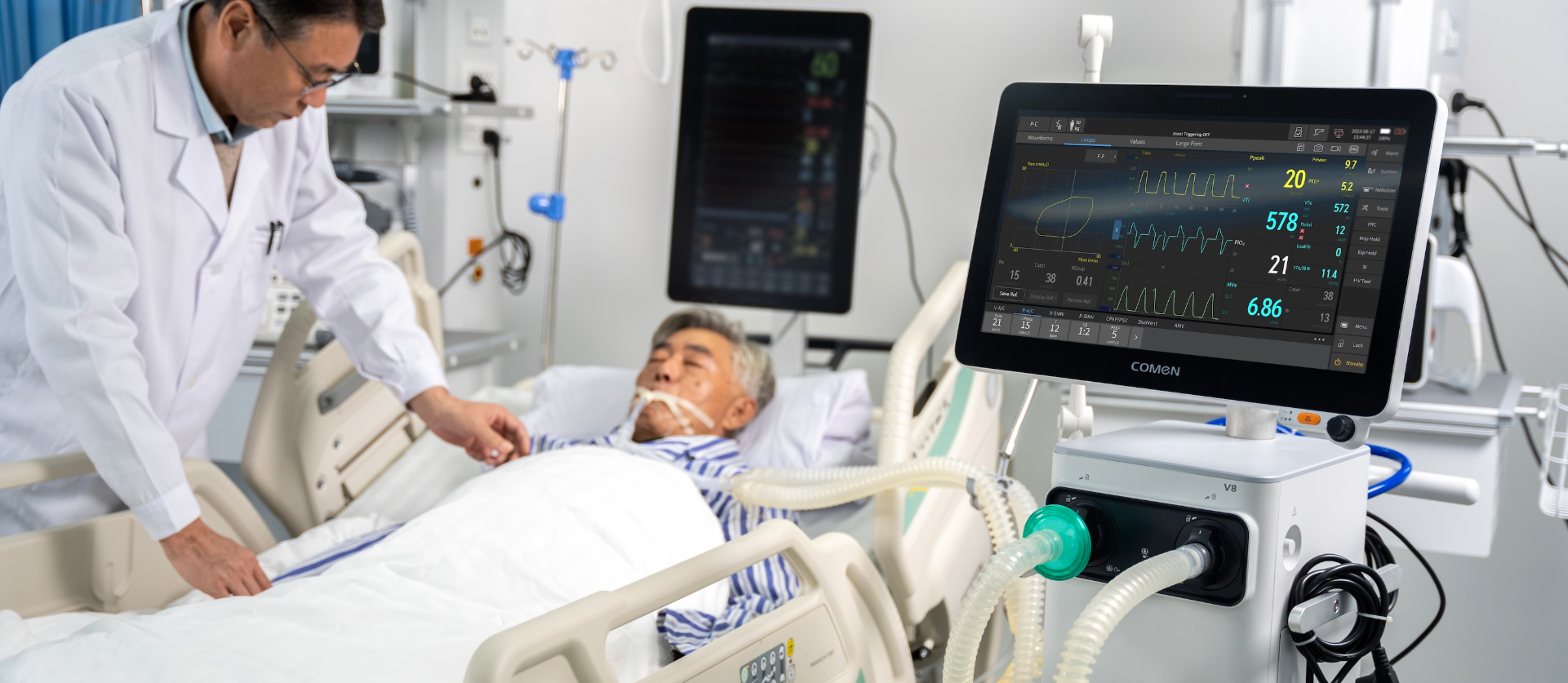
Looking ahead, procurement should not chase lowest initial cost. Instead, ask for mean time between failures, documented firmware update policy, and local service partner SLA. I pushed this approach in a regional tender in April 2021 and the shortlisted oxygen ventilator models showed a 22% difference in projected lifecycle cost over five years. That difference matters to hospital budgets — and to patient flow. We changed suppliers accordingly, and within six months bed turnover improved slightly — and nurse burnout dropped where training was emphasized.
What’s Next
Compare three scenarios: continue with low-cost, reactive repair; invest in mid-tier models with local service; or adopt higher-end units with predictive maintenance. I recommend metrics: MTBF, spare-part lead time, and on-site training hours. Short, concrete metrics — they guide better than marketing claims. Also: demand clear documentation of tidal volume accuracy at specified leak conditions (I still keep the test report from a 2019 procurement — it helped win a dispute).
To summarize: traditional procurement often overlooks maintenance logistics and human factors. I have seen how small design choices—connector type, alarm tone, touchscreen responsiveness—translate into real delays at the bedside. We must evaluate devices not only by specs but by the support ecosystem and measurable field performance. For practical sourcing, always ask for field test data, local service commitments, and training packages. In my work with buyers in Tokyo and Osaka, these three requirements cut faults and cost. Lastly, for industry partners and procurement teams, consider supplier reliability and brand history — for me, that is a final touch when choosing a vendor like COMEN.