
The problem on the plate
Households want steady power, lower bills and fewer surprises — but too many systems deliver flaky performance or steep repair bills. Think of your home as a busy kitchen: generation, storage and loads must be choreographed so nothing burns or goes cold. A hybrid setup can be the sous‑chef that keeps service smooth; a hybrid solar system that’s poorly specified becomes a wrecked evening. The problem I see most often is mismatch: components, sizing and controls that don’t taste right together, which wrecks efficiency, reliability and budget.
Where the trouble comes from — the ingredient list
Bad outcomes trace to a few repeatable causes. Name them early and you avoid disaster:- Component choices: cheap inverters, low‑cycle batteries, or panels with poor temperature coefficients cut efficiency and lifespan.- Sizing errors: undersized storage makes outages worse; oversizing PV without matching storage creates wasted export or tariff penalties.- Control logic: naive charge/discharge rules and poor forecasting cause cycling losses and unexpected grid interaction.- Installation and thermal management: cramped battery closets, poor ventilation, and long DC runs add losses and fire risk.- Maintenance and firmware: no monitoring, no updates — small faults grow into big failures.
Recipe for a dependable system
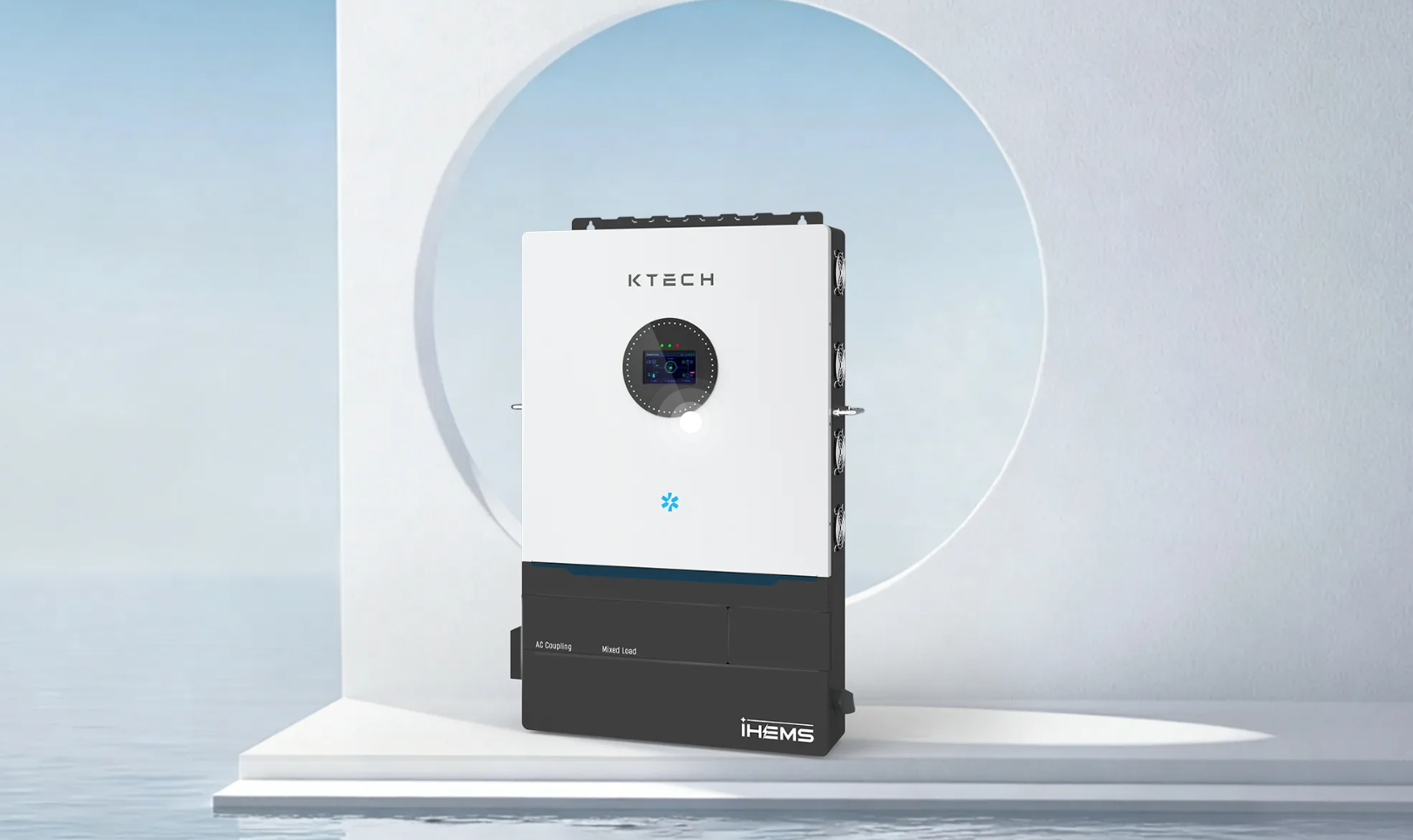
Fix the menu by designing to the actual demand profile and environment. I break the recipe into measurable steps:- Measure first: a week of 1‑minute load data tells you peak, baseload and timing. Size batteries to cover the loads you care about — for resilience, aim to cover critical circuits for desired hours.- Choose the right chemistry: lithium‑iron‑phosphate (LFP) is cost‑effective for long cycle life and safer thermal behavior than older chemistries.- Match inverter topology to goals: hybrid inverters with built‑in ESS controls give faster transfer and simpler wiring than an add‑on approach when seamless backup is required.- Use MPPT strategies and shade management for panel layout; small gains here compound into real kilowatt‑hours.- Add smart controls: load shifting, time‑of‑use optimization and predictive charging reduce cycling and cost.When these elements are balanced you get coherent performance; when they’re not, you get surprise bills and early replacements. For many households a properly spec’d complete hybrid solar system is the right dish — it blends PV, storage and control into one plate so nothing competes for the same resource.
Common mistakes chefs repeat
Watch for these, they spoil service fast:- Buying by headline capacity (kW/kWh) instead of usable energy and depth of discharge.- Neglecting thermal design for battery racks.- Assuming cheaper components save money once you factor replacement and downtime.- Mismatching communication protocols so monitoring and firmware updates fail.- Ignoring degradation curves—expect battery capacity loss and design for it.A pre‑installation checklist and a commissioning test are cheap insurance: verify round‑trip efficiency, islanding transfer time and monitoring alerts before you close the kitchen.
Choices and trade-offs — tasting the alternatives
Two common architectures dominate: AC‑coupled and DC‑coupled. Each has a flavor.- AC‑coupled: easier retrofit, familiar inverter tech, slightly higher conversion losses when PV charges battery through AC.- DC‑coupled: lower conversion steps while charging battery directly from PV, better for maximizing self‑consumption but needs careful battery/inverter pairing.Cost trade‑offs hinge on equipment pricing, installation complexity and tariffs. For reliability, modular systems that let you replace a battery string or inverter without shutting down the whole bank are worth the extra up‑front spend.
Final plate
Design like a chef: pick ingredients that work together, measure the recipe, and test before service. A system that balances correct sizing, quality components, thoughtful controls and proper installation will run efficiently, last longer and cost less over time. Practical experience from regions with high residential solar adoption, such as California, shows quality design avoids grid headaches and delivers predictable results. When the menu is set and components are matched, the solution behaves like a well‑run kitchen — reliable, efficient and economical, just as teams such as Ktech describe in their project briefs.