
Introduction
Night slips into dawn on a factory floor. Lights hum, belts stir, and hands steady the new day’s first frames. A PV module waits at the end of the line like a small window cut from the sun. Numbers glow on screens: cycle time, scrap rate, uptime. They speak in simple rhythm, yet hint at something deeper—what do we trade for speed?

We chase megawatts and margins, of course. We measure busbar alignment, cell cracks, and the quiet pull of a laminator’s heat. But the real test is softer: how safely can we move faster without losing yield, trust, or sleep? One line balances throughput and risk; another resists with hidden delays. And inside these choices, a question: when pace climbs, do defects follow (or can design break the old rule)? Let’s walk the floor together and see where the truth lands—then move to what comes next.
The Deeper Layer: Why Traditional Lines Struggle When You Push the Pace
Where do legacy lines fall short?
In many plants, solar module manufacturing still leans on legacy steps that were built for “steady,” not “swift.” The first gap is visibility. Offline EL imaging catches micro-cracks after they happen, not before. That means rework piles up—funny how that works, right?—and root causes hide between stations. A second gap is control. Discrete PLC islands don’t share context, so the stringer, layup, and laminator drift out of sync. Then the line throttles itself. Look, it’s simpler than you think: when upstream buffers fill, downstream tools idle, and tiny waits become lost hours.
Material handling adds risk. Vacuum pickup can scuff coatings if pressure is set for one glass spec but the batch shifts. Thermal profiles in the laminator wander when recipes are tuned for one encapsulant and the EVA changes lot-to-lot. Without closed-loop checks, a junction box cure looks fine until a hot day tests its adhesive. And yes, it still matters—power converters at test benches can mask early mismatches if calibration drifts. A light MES overlay helps, but without in-line EL imaging, torque monitoring, and recipe interlocks, it’s reaction, not prevention. The result is a line that seems “safe” at low speed but trips over itself when you nudge the takt time. Yield suffers in silence before alarms ever ring.
Comparative Outlook: Principles That Let Speed and Safety Coexist
What’s Next
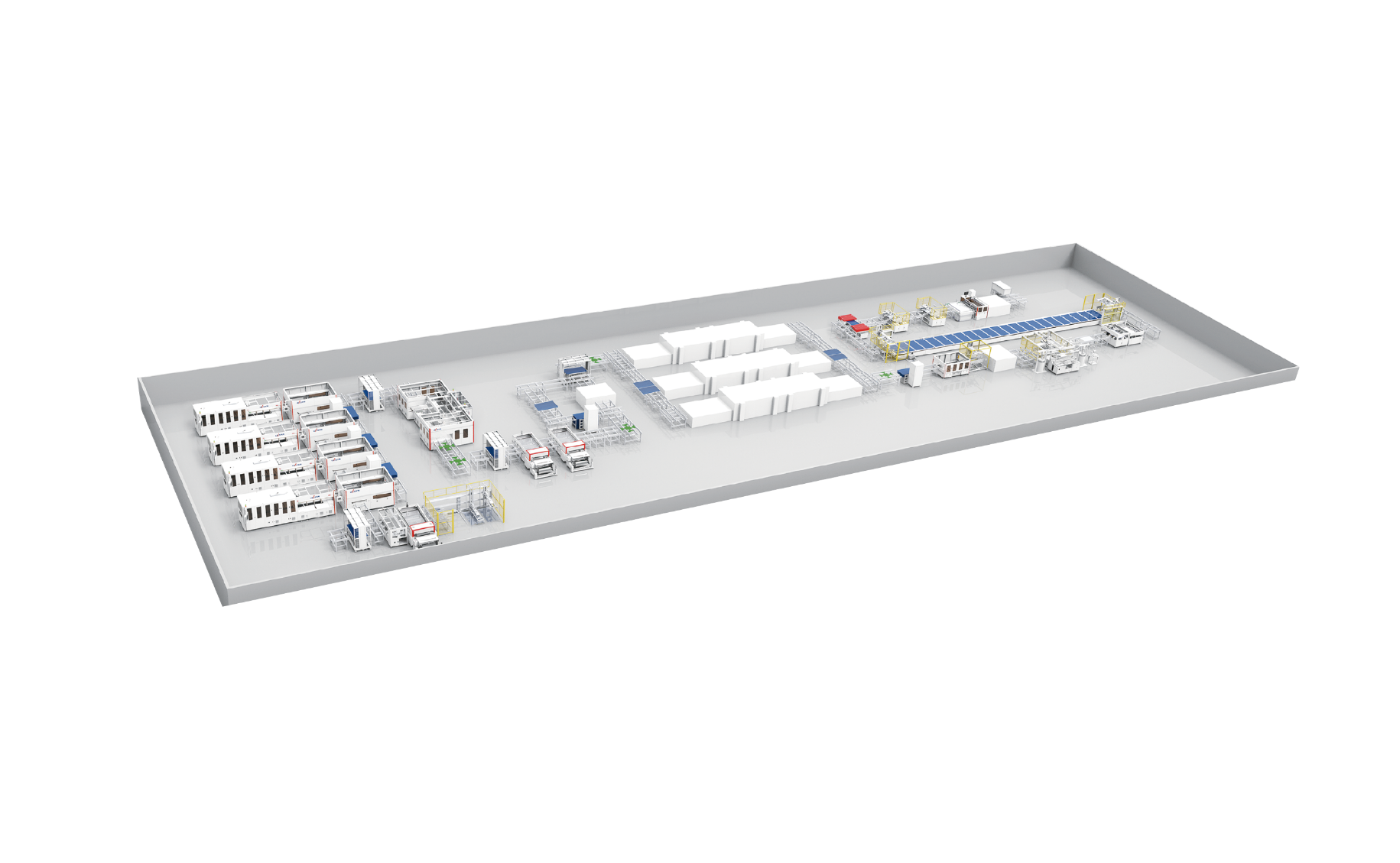
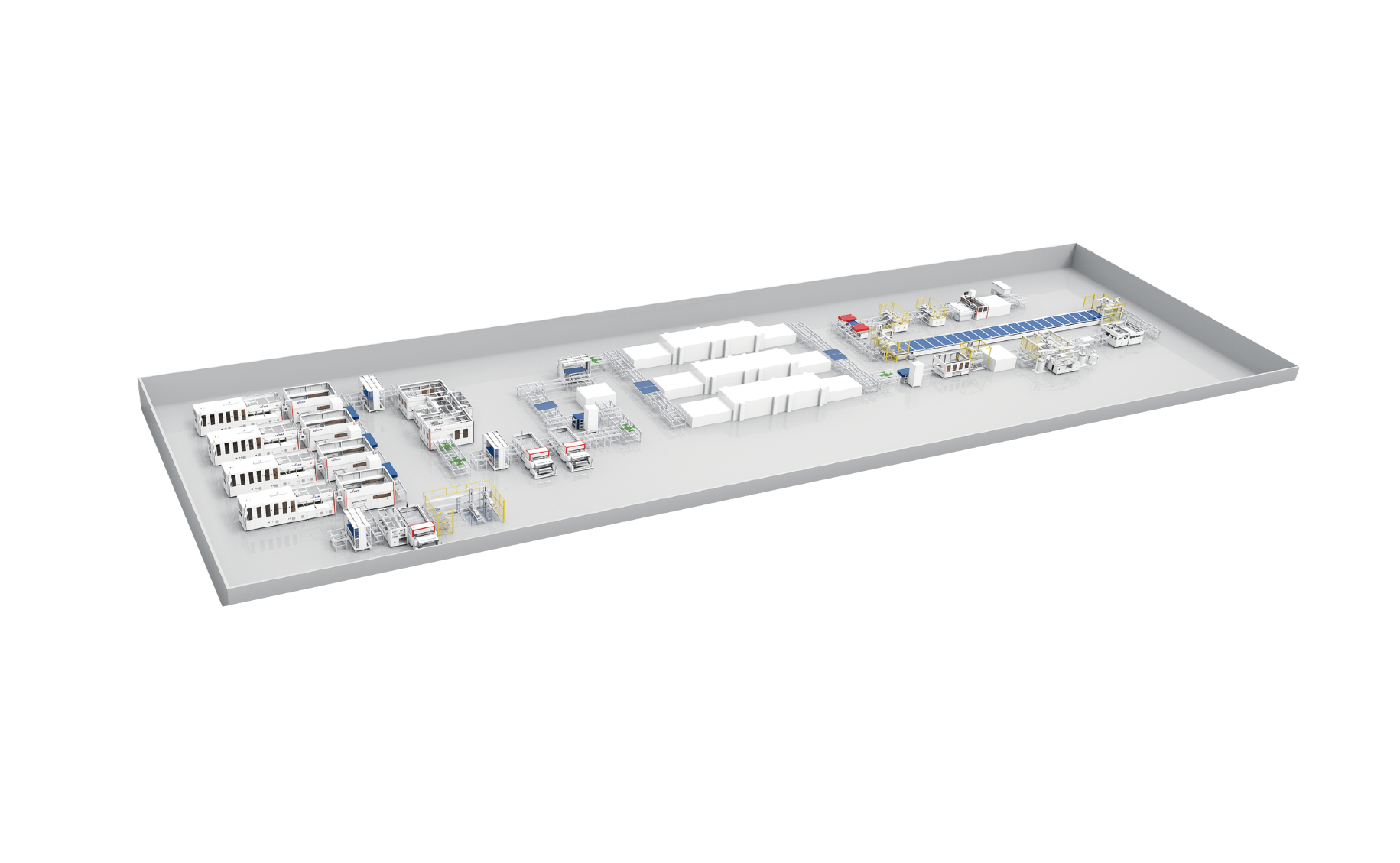
The shift ahead is not about bigger tools; it’s about smarter flow. New principles tie stations together so the line behaves as one organism, not a row of boxes. In practice, that means edge computing nodes watch cell stress, glass bow, and tabbing temperature in real time, and nudge settings before drift becomes scrap. In-line EL imaging moves from “afterthought” to “every panel, every pass,” and the data links back to the stringer’s solder profile. When solar module manufacturing runs this way, the laminator’s recipe adjusts to ambient humidity, and conveyors modulate acceleration to protect larger M10 or G12 cells. Small moves. Big effects.
Consider a comparative case. A legacy line increases speed by 12% and sees a quiet rise in micro-cracks and PID risk. A connected line increases speed by 15% but pairs it with predictive checks: camera vision at layup, torque traceability on junction boxes, and auto-calibration on flash testers. Scrap drops 8%, changeovers shrink, and operators spend time solving, not chasing. The tech is plain: digital twins for thermal zones, soft-start conveyors to cut shock loads, and recipe locks through the MES so only approved parameters run—period. Advisory close-out for you: choose solutions using three metrics that you can audit. First, closed-loop coverage (how many stations adjust themselves from in-line data). Second, yield-at-speed (not yield at nominal). Third, trace depth (component-to-panel genealogy across stringer, layup, and laminator). Meet those three, and speed becomes a feature, not a fear—funny how that flips the story, right? Credit shared, knowledge compounding, people safer. And the sun keeps paying out. LEAD