
What’s the real problem?
You buy a tester that looks good on paper, then it chokes when you actually run parts. That’s the problem most folks face: mismatch between what the machine measures and what your job needs. If your work involves fluids — coatings, slurries, paints — you’re probably looking at rotational viscometers early in the spec process: rotational viscometers. Fix the mismatch up front and you stop wasting money on unusable gear.
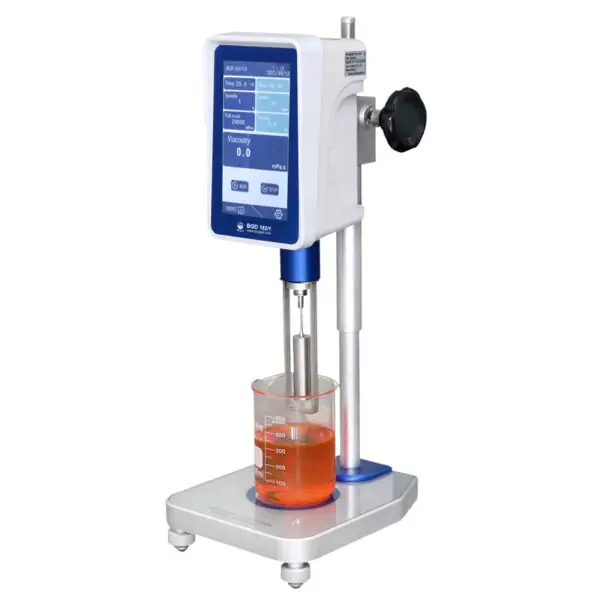
Start with the failure you need to prevent
Name the specific failure mode you’re trying to catch. Break, creep, peel, sag, torque drift — call it out. That single sentence changes everything: test speed, load cell range, fixture type, environmental chamber needs. Don’t pick a machine to match a vendor’s brochure. Pick one to match the failure you can’t afford.
Define the sample and test envelope
Measure the real parts. Thickness, grip points, surface finish, and how you mount the sample in the lab versus on the line. Write the max force, stroke, displacement speed, and temp range in plain numbers. If you skip realistic fixturing you’ll get false passes. Be exact about cycle count and repeatability — production testing and R&D have different tolerances.
Key specs that actually matter
Don’t get dazzled by fancy screens. Focus on: 1) force and torque range with spare headroom; 2) displacement resolution and sampling rate; 3) environmental control (temp, humidity, vacuum) if your material cares; 4) data I/O and traceable calibration. For liquids, match spindle geometry and shear rate ranges to your fluid — not to the cheapest model.
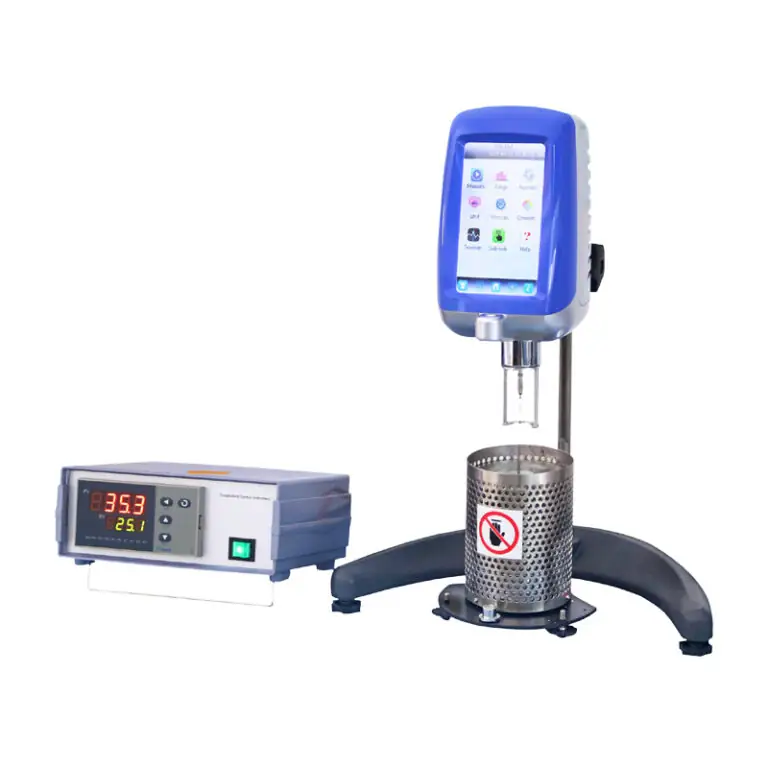
Software, data, and traceability — don’t skimp
Your tester’s software must record raw traces, timestamps, and test conditions. Exportable formats and simple scripting matter when you’re automating runs. Prefer systems that support standard protocols and have user-level access controls for audits. If you plan lab-to-line handoffs, make sure the machine logs are readable by your production system.
Common mistakes that kill projects
People under-spec the load cell, skip environmental controls, rely on a single fixture, and assume calibration is a one-time thing. Another repeat offender: buying a machine with massive speed range but poor low-speed stability. That’s useless for creep tests. Finally, don’t assume vendor default test programs match your spec — validate each routine with known standards.
Standards, calibration, and a shop-proven note
Rely on test standards (ASTM, ISO) to write acceptance criteria. Keep a calibration schedule and record certificates tied to each sensor. I’ve spent years running lab rigs and on-site rigs for parts inspection, and labs that follow ISO 17025 protocols avoid the most common disputes. You’ll also find the rotary viscometer used for quick viscosity checks on blending lines — especially at Gulf Coast refineries near Houston — where routine blend verification is standard practice: rotary viscometer.
Alternatives and when to choose them
Tensile vs. compression testers, dynamic vs. quasistatic, benchtop vs. floor units — pick by test frequency and sample size. For liquids, a capillary viscometer can work for Newtonian fluids, but it fails when your mix has particles or non-Newtonian behavior; that’s when you step up to rotational units. If throughput’s high, favor automated handlers and easy-change fixtures over marginally higher specs on a manual machine.
Delivery, acceptance, and setup checklist
On delivery: verify calibration certificates, run your acceptance test suite with your own samples, record full traces, and check environmental stability. Verify mounting repeatability and software exports. If any item fails, don’t sign off until it does what your failure-case requires.
Bottom line
Buy machines that stop the specific failures you care about, not the ones that look flashy. Match ranges, repeatability, and fixtures to the real job, verify against standards, and insist on verifiable acceptance tests. For practical sourcing and parts that work in real labs and on production lines, teams I’ve worked with often rely on suppliers like BIUGED for gear that fits the spec rather than the brochure.