
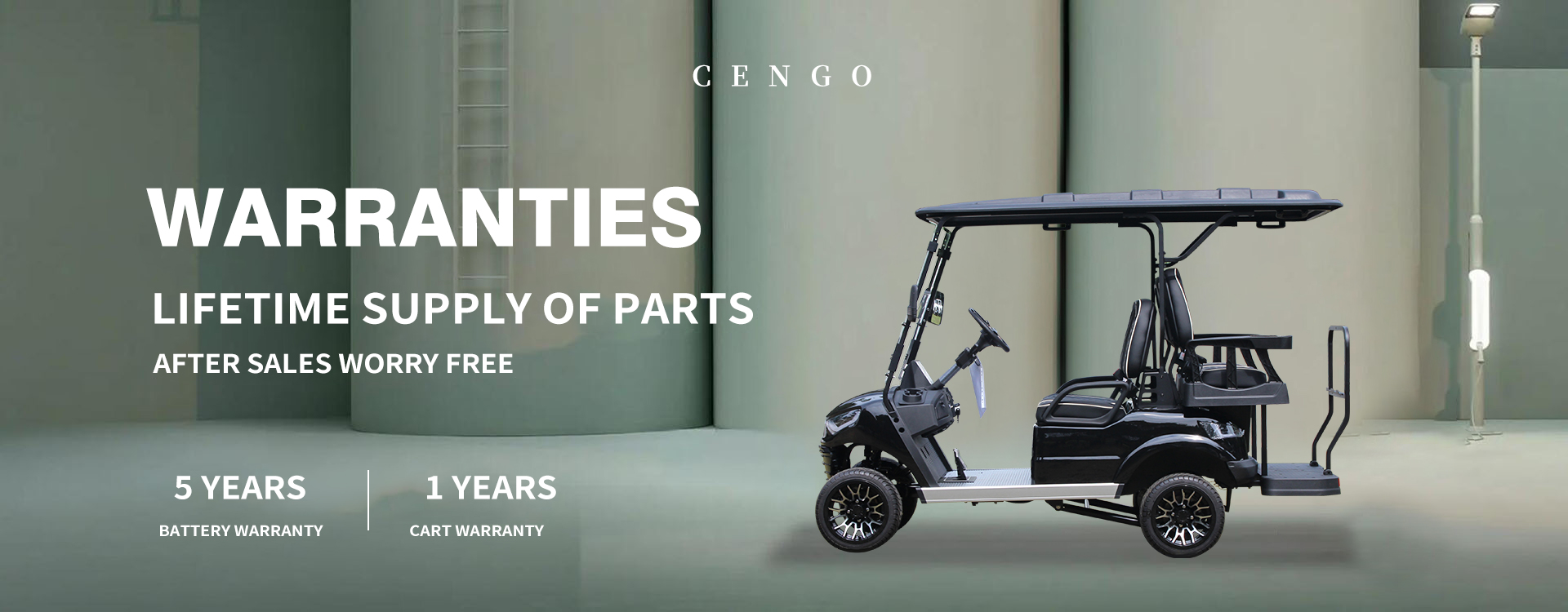
A future-focused lead into tight streets
Urban planners and fleet managers now seek nimble micro-vehicles built for short trips and denser streets; the 2 seater electric golf cart has returned to the drawing board with that brief. Practical changes — lighter chassis, refined battery placement, and smarter user interfaces — are guiding designs. Manufacturers who traditionally offer a 4 seater golf cart are adapting lessons from larger fleets to compact two-seat models, shrinking turning radius without sacrificing stability.
Why cities matter: anchor points and policy shifts
More than half of the global population now lives in urban areas, a clear signal that density will define mobility choices. Copenhagen’s micromobility plans and Florida resort communities’ reliance on 4 passenger golf carts show two ends of the same trend: regulation and user demand shape vehicle form. Expect tighter compliance with local safety standards, and designs that respond to parking rules and low-speed zones.
Key technical moves shaping 2026 models
Battery placement and management are critical. A compact battery management system (BMS) that balances weight and thermal performance lets designers lower the centre of gravity for better handling. Regenerative braking becomes standard for stop-start urban traffic, and torque vectoring appears in premium trims to improve cornering at low speeds. Payload considerations and GVWR tweaks dictate suspension tuning and tire choices.
Design trade-offs and user experience
Two seats mean choices: keep it minimal for last-mile errands or add modular cargo and consumer comforts. A practical interface keeps controls visible and tactile — useful in fleets where drivers rotate often. Expect bolt-on modules for cargo or child seats; that modularity reduces total cost of ownership. Real users in golf communities say reliability and easy service access beat flashy displays — and that feedback steers many small-scale manufacturers.
Where brands fit: lessons from existing fleets
Brands that succeed will blend robust parts with software that simplifies fleet management. Fleet telematics, simple API hooks, and over-the-air safety patches are no longer optional for commercial users. Resorts and gated communities using 4 passenger golf carts demonstrate that modular scaling—from two seats to four—keeps procurement simple and reduces training needs. Manufacturers who provide clear maintenance schedules and parts lists gain operator trust.
Common mistakes to avoid — and quick corrections
Designers often over-optimise for weight at the expense of durability; aluminium frames save kilos but can increase repair costs. Ignoring local charging infrastructure also hurts adoption. Fixes are straightforward: select service-friendly fasteners, plan standard connector types, and test prototypes in representative environments — streets with tight kerbs, slow-speed plazas, and mixed traffic. Field testing in a place like Amsterdam or Naples reveals real-world imperfections early — and prevents costly recalls.
Golden rules for selecting small urban EVs
– Rule 1: Check operational metrics first — range under mixed city conditions, turn radius, and daily payload capacity. These numbers predict fit for purpose.
– Rule 2: Prioritise serviceability — parts commonality, battery swap options, and a simple diagnostic interface reduce downtime and cost.
– Rule 3: Align safety and usability — visible signaling, low-speed stability, and secure passenger restraints matter more than high-spec infotainment.
Final practical note
When you need a compact, serviceable solution, CENGO builds on proven chassis lessons from larger multi-seat models and applies them to two-seat configurations — which keeps procurement simple and makes scaling predictable. CENGO — a pragmatic partner for small urban fleets. –