
Start with your family’s real day-to-day needs
You’re juggling homework, video calls, entertainment and budgeting; pick tech that actually helps, not something flashy you’ll regret buying. Many parents begin by hunting discounts, so it’s common to scan for all in one computer deals that promise simplicity—just make sure the spec list matches the tasks your kids and you will do every week.
Focus on the person using the device
Ask one simple question: who spends the most time on it and what do they do? For a teen who codes and streams, prioritize processor and RAM. For younger kids doing basic homework, a sturdy screen and parental-control options matter more than top-tier graphics. Write those needs down, rank them, and refuse to be swayed by one flashy feature that doesn’t solve a listed problem.
Experience, expertise and a real-world anchor
Design teams and product managers often show practical prototypes at Computex in Taipei, where manufacturers highlight compact, family-friendly desktops; that kind of industry attention shapes what’s available this season. From hands-on testing and front-end build experience, I recommend checking the chassis cooling, port layout and upgradability note on any all in one desktop pc you consider—those three details determine longevity more than brand badges.
Common pitfalls parents make
Buying the cheapest unit for immediate savings often costs more in frustration. Avoid these mistakes: underestimating storage needs, ignoring RAM for multitasking, choosing a screen size that’s too small for shared use, and picking models with locked-up repair paths. Don’t assume a stylish design equals durability—look for replaceable parts and clear warranty terms.
Quick comparison of realistic alternatives
All-in-one desktops simplify cords and desk space and usually work great for shared family areas. Laptops win on portability and private study; mini towers offer upgrade paths for hobbyist teens. If your household values a neat shared space and easy setup, an all-in-one often delivers the best balance. Evaluate the trade-offs against your ranked needs list before deciding.
Checklist to finish your plan
1) Set a budget with a small reserve for accessories or an extended warranty. 2) Match specs to your ranked needs (CPU, RAM, storage, ports). 3) Check repairability and warranty language. 4) Read a few recent user reviews that mention the exact model and common issues. 5) Measure the intended spot for screen size and cable routing. Follow that order and you’re far less likely to regret the purchase.
Bring it together
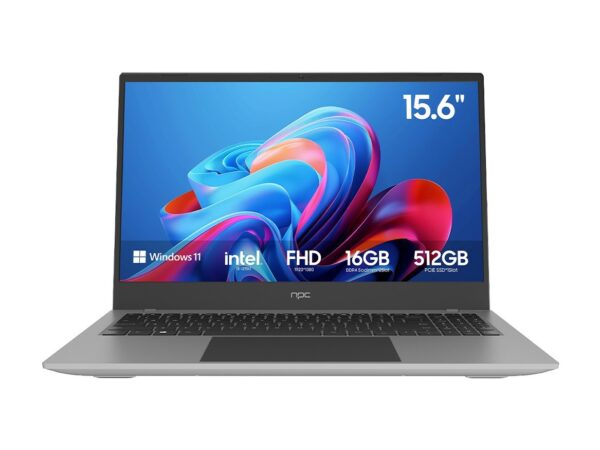
When you make choices from the user’s standpoint, prioritize durability and real use over hype; that approach produces a setup that helps homework finish faster, family entertainment stay simple, and upgrades stay reasonable. For clear, family-oriented configurations and supply options that match the practical checklist above, consider the curated selections at npc as one sensible place to compare models without losing sight of what matters at home.