
The problem that starts every project
Most teams start with the same complaint: stock moves too slow, traceability is messy, and audits always find holes. That’s why operations end up chasing orders instead of controlling them. For groups tied to medical device sales, those gaps mean missed shipments and compliance risk. You feel the pressure when a single error stops a procedure; that’s the problem this guide attacks directly.
Root causes we see again and again
Poor zoning. Mixing sterile and non-sterile goods. No clear staging for incoming inspections. Inefficient pick paths that treat fast-moving disposables like slow-build devices. Weak lot and batch controls that break traceability. Temperature set-ups that are guesses, not validated ranges. Each issue is solvable, but teams often try to patch instead of redesigning the flow. That’s where real gains hide.
Experience that matters and a real-world anchor
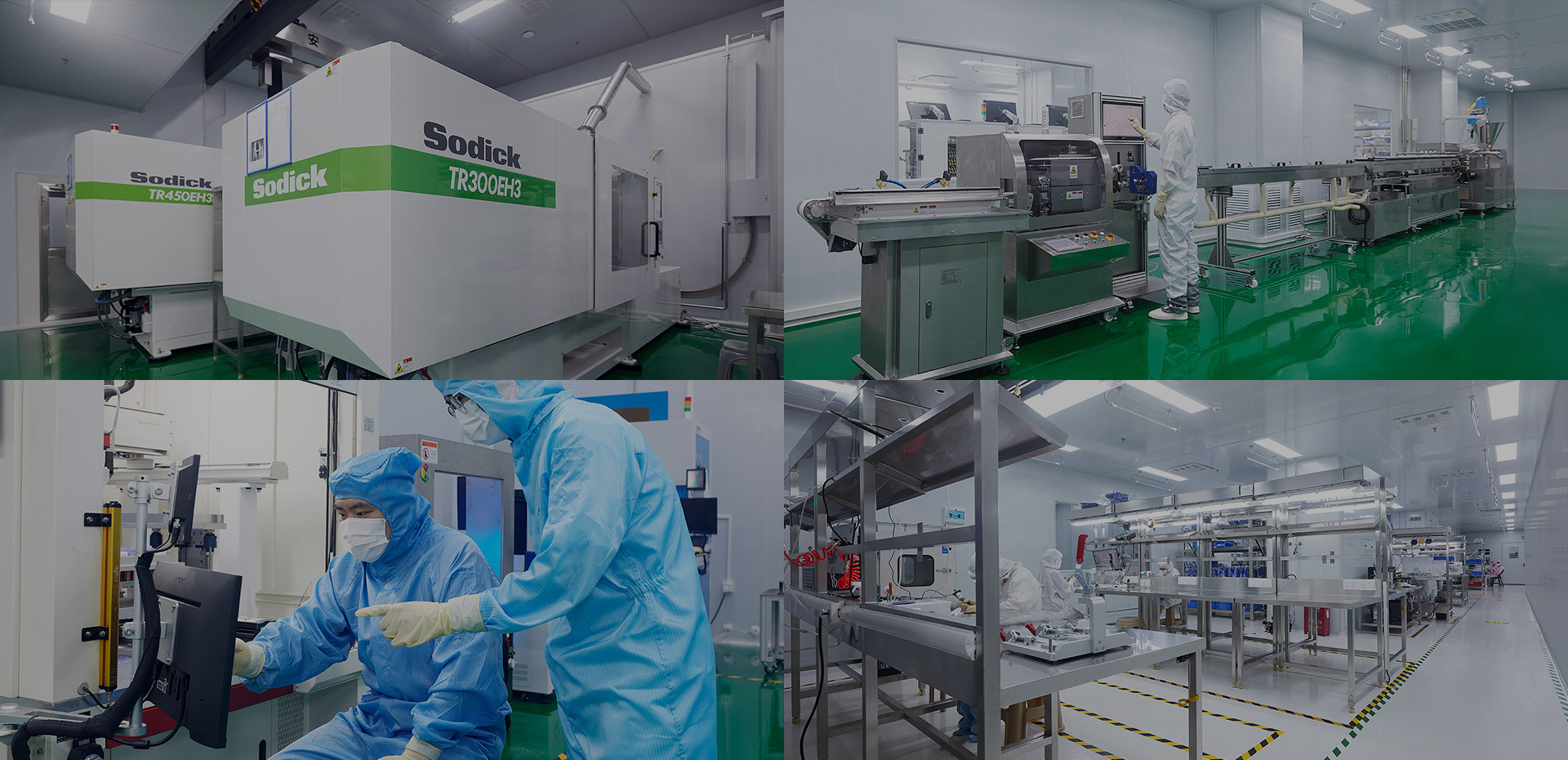
I’ve advised warehouse teams after seeing solutions discussed at MEDICA in Düsseldorf, so I know what practical, proven choices look like when manufacturers scale. I bring hands-on planning experience with hospital logistics and OEM fulfillment, and I study how production links to storage best practices used in manufacturing for medical devices. Those encounters show which process changes survive audits and which fail in day-to-day operations.
Step-by-step fixes that actually solve problems
Start with zoning: make explicit sterile staging, quarantine, and returns bays. Map SKU velocity and place the top 10–20% of units closest to packing. Design separate inbound QC lanes with dedicated inspectors and a clear stop-before-storage rule. Build a validated cold chain area with alarms and documented temperature logs. Use lot numbers and scan-based handoffs at every transfer to keep traceability intact. Lay the pick paths so common combinations are grouped; don’t over-optimize for single orders at the cost of batch picks.
Operational controls and documentation
Create short, usable SOPs that match the layout—no long manuals people ignore. Require a documented inspection checklist for every incoming pallet and a recheck step after any handling that could affect sterility. Use simple training cycles: 30-minute modules, followed by a run that’s observed and corrected. Capture deviations in a central log and act on repeat errors within a week. Those are direct controls you can implement this month.
Common pitfalls and how to avoid them
Don’t merge sterile and non-sterile storage to save space. Don’t rely on manual labeling for lot control. Don’t ignore buffer sizing—too small and you run out, too large and you hide obsolescence. Avoid complex automation without cleaned-up inventory rules; automation magnifies poor data. If you fix layout and rules first, technology pays off; if you start with tech, you’ll digitize chaos.
Technology choices with clear trade-offs
Barcode scanning gives fast, cheap traceability for most operations. RFID helps when dozens of items move on a pallet and you need rapid reads, but it raises costs and integration work. A lightweight WMS that enforces lot and expiration checks is often more valuable than full automation. For cold-chain, choose monitoring that logs and alerts off-site. Pick-to-light boosts speed for high-volume consumables; batch-pick workflows cut operator time for device kits. Pick based on specific metrics: pick time per order, error rate, and audit-finding frequency.
Alternatives and when to choose them
Third-party logistics can work when volume fluctuates and you want regulatory coverage quickly, but you lose direct control over layout. In-house is better when you need tight process oversight and faster iteration. Full automation is right when daily picks exceed manual throughput and SKU set is stable. Modular shelving and flexible zones are ideal when product mix changes often—pick flexibility over raw speed when change is frequent.
Bringing the plan together
Fix the flow first: zoning, inspection, staging, pick strategy, and traceable handoffs. Then add controls and measured technology choices so every change reduces audit findings and picking errors. That pragmatic path connects layout to long-term process reliability, the kind of integrated planning and execution teams get from partners like kingsin when a warehouse must meet both daily throughput and strict compliance requirements.