
Why this matters right now
Okay, so you’ve seen scanners miss whole piles of inventory or IDs that read wrong every other day — that’s not just annoying, it costs time and money. RFID tags can stop most of that, but only when the hardware, firmware, and software actually talk to each other. That means picking the right tag, placing it right, and wiring the readers into useful software stacks like custom iot solutions so data isn’t garbage from the start.
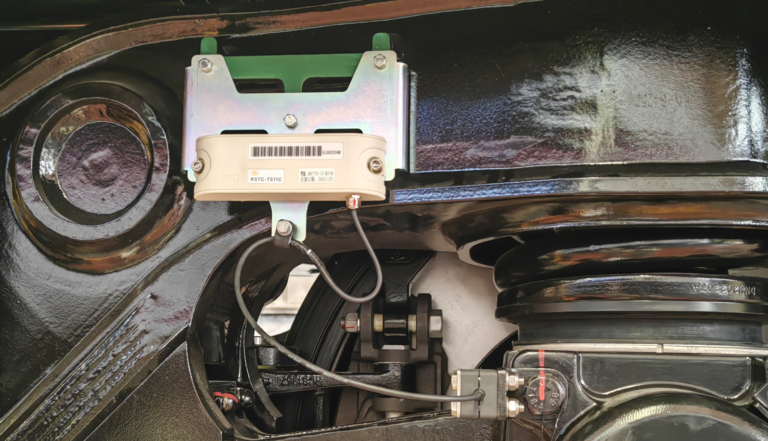
Common problems that ruin tracking
Tags that don’t read consistently, collisions when many tags reply at once, interference from metal or liquids, too-short read range, and data that never reaches the back end — those are the real killers. Teams also mess up by using the same tag for every use case or by assuming a single handheld scan solves continuous tracking. Those choices make the system brittle.

How different RFID choices actually fix things
UHF passive tags give range for pallet and yard tracking; HF tags work better for close-range item ID and secure reads; active tags suit long-range asset tracking. Anti-collision protocols and proper reader antenna placement cut missed reads. Edge filtering and local tag de-duplication stop floods of redundant events from swamping your database. Pairing tags with small sensors (temperature, shock) turns raw ID into actionable signals instead of piles of unreadable logs.
Real-world proof and expert perspective
Look at large port projects that tied RFID into terminal operations — Port of Rotterdam published pilots showing UHF RFID plus local compute improved throughput while trimming manual checks. That kind of project required more than tags: it needed mature industrial iot solutions for device management, secure data flows, and analytics. Industry reports and conference papers back those results, and practitioners who run terminals cite system-level engineering as the difference between experiments and reliable deployment.
Where teams usually screw up
Picking a cheap tag for every job, ignoring environment-testing, trusting one reader placement to cover a complex flow, and not mapping tag IDs to business records are common missteps. Overlooking security — plain text tags with no access control — invites spoofing and audit failures. Also, treating RFID as a point solution instead of part of a data pipeline means the tech never scales.
Practical checklist to get tracking working
Choose tag type per use-case (UHF for yards, HF for close ID). Run read-tests with real goods and packaging. Place antennas for coverage redundancy, not aesthetics. Use middleware that does edge filtering, timestamps, and ID normalization. Secure the chain with tag authentication and encrypted links. Map tag IDs to the exact inventory records in the ERP before you trust automated actions.
What success looks like
Reliable tracking is predictable reads, fewer manual touches, and data you can use for decisions — not a dashboard that just shows noise. When the hardware, firmware, and software are stitched together correctly, the system behaves: counts match reality, lost assets drop, and audits take minutes instead of days. For teams that want those outcomes, partners who treat tag choice, software, and integration as one problem make the difference, which is exactly how RSTC frames the work.