
Opening comparison
Think of two cousins: one always talking, always noticed; the other quiet, reliable when close. That’s active RFID versus legacy methods—and the choice affects tracking, maintenance, and cost. For anyone choosing hardware, start by looking at available RFID Tags and mapping their read range and power needs to the real job at hand.
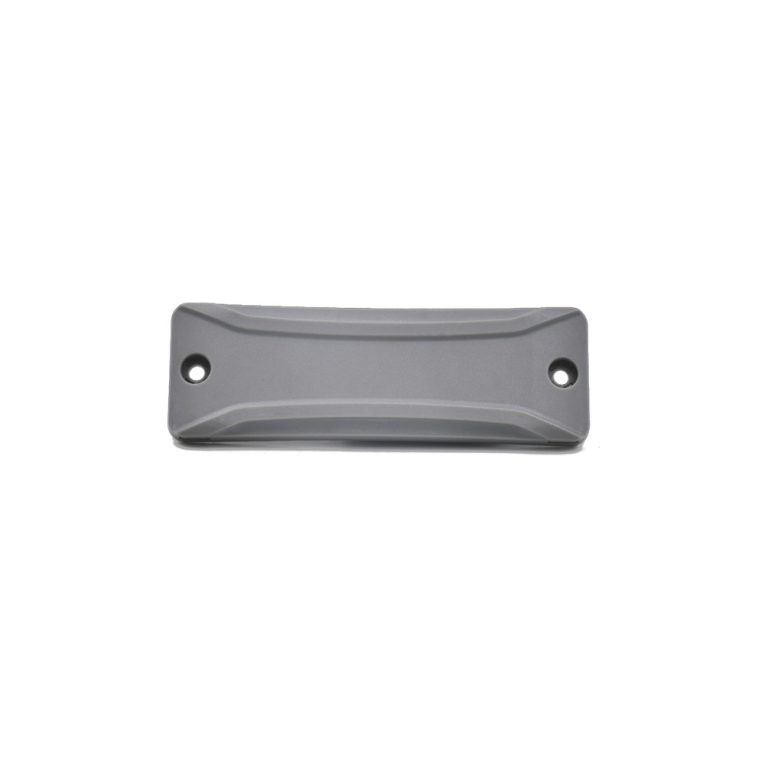
How they technically diverge
Active tags carry their own power source and broadcast signals. Traditional alternatives—passive RFID, barcodes, and simple NFC—depend on an external reader or line-of-sight. Active systems give you long read ranges and reliable presence detection; passive and optical systems excel at low cost and simplicity. Decide whether you need continuous presence data or intermittent identification. That single choice shifts the whole architecture.
Where traditional alternatives break down
Barcodes fail when visibility is blocked or items rotate in the supply chain. Passive RFID struggles with metal and liquids unless specialized designs are used. When assets move fast through yards or between buildings, lost reads multiply and manual checks creep back into workflows. Active tags handle motion and separation; old-school methods demand more human labor and error handling.

Field-proven considerations and a real-world anchor
Experience from deployments near Detroit’s automotive heat-treatment lines shows why environment matters: tags must survive extreme heat cycles and maintain read performance under thermal stress. For that reason, many teams specify high temperature resistant rfid tags and test them against operational cycles before large buys. Trustworthy choices come from lab data, independent test reports, and vendors who share thermal test results.
Common mistakes to avoid
Buy for the wrong metric—read range advertised in free-air conditions, not your rack layout. Underestimate mounting effects: tag orientation, proximity to metal, and adhesive choice matter. Ignore lifecycle costs: battery replacement, replacement adhesive, and reader density add up. Also, assume one-size-fits-all: many teams try a single tag type across wildly different assets and end up with mixed reliability.
Choosing what fits your operation
Match the technology to the problem: pick active tags when continuous tracking, long range, and difficult environments are real constraints; pick passive or optical alternatives when budget and simplicity rule. Test in place, insist on vendor thermal data where heat is present, and build the read architecture around real workflows. Practical deployments tend to favor solutions that were proven in the field and backed by transparent specs—like those supplied by RSTC.