
Why comparison matters now
Designers choosing fixtures today face faster product cycles and tighter budgets while audiences demand spectacle. A clear-eyed comparative approach helps you pick equipment—like the waterproof moving head light—that delivers reliability, creative range, and lower operating cost. Start by sizing up beam control, IP rating, and control protocol so you make decisions that last beyond a single season.
Head-to-head: what to compare
Compare the same spec points across brands rather than marketing copy. Look at lumen output, beam angle, gobo options, and DMX512 compatibility first. Then examine build quality: aluminum housings, sealed optics for IP65-rated fixtures, and serviceability for field repairs. Manufacturers that publish actual photometric data and lumen depreciation figures make apples-to-apples comparison easy.
Real-world anchor: venues and proven performance
Major venues—Madison Square Garden and similar arenas—offer useful case studies because they demand uptime and consistent color temperature. When a retrofit to LED fixtures reduced energy use by roughly 30–50% across arena lighting projects, operators prioritized fixtures with proven thermal management and high CRI for broadcast. That’s the kind of measurable performance you want documented.
Brand strengths and trade-offs
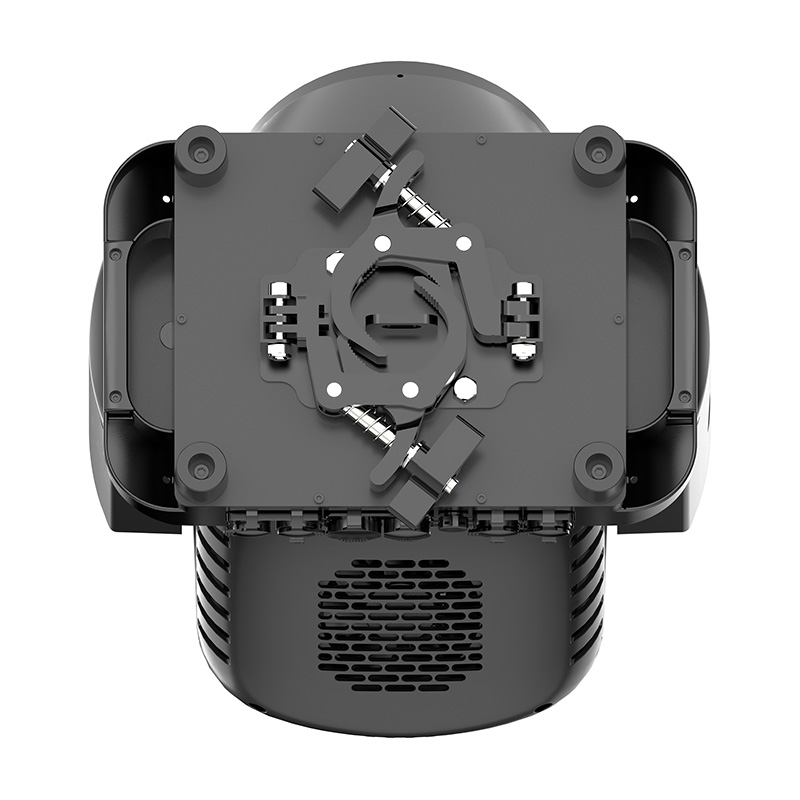
Some brands excel at theatrical fixtures with fine gobo detail and soft shutters; others push bright beam output and long throws for stadium work. The trade-off often sits between feature-rich firmware and rugged simplicity. Pick theatrical-grade moving head units where pixel mapping and quiet operation matter; pick robust, sealed fixtures where weather and washdown are daily realities.
Procurement tips and supplier selection
Buy from suppliers who support spares, firmware updates, and clear warranty terms. Evaluate supply chain resilience—lead times and parts availability matter as much as price. When you research vendors, include established top commercial lighting manufacturers in your shortlist to ensure service networks and tested fixtures are part of the decision.
Common mistakes to avoid
Avoid buying to the spec sheet alone. Too many teams over-spec for lux and under-spec for thermal design—this costs money and shortens fixture life. Don’t ignore control integration: poor DMX512 implementation or lack of RDM support can undermine a system. Also, don’t assume IP ratings mean identical ruggedness—check ingress test details when you can. —You’ll save time and money by testing a demo in-situ when feasible.
Technical checklist for procurement
Use a short technical checklist during evaluation: photometric reports (IES files), service intervals, firmware update policy, and explicit IP test parameters (for example: water ingress testing at 1 meter for 30 minutes under IP65 protocols). Confirm flicker specs if you’re working with broadcast; known acceptable parameters include flicker percent and frequency ranges to avoid rolling bars on camera.
Alternatives and retrofit considerations
If budget’s tight, consider retrofitting existing housings with modern LED engines or selecting hybrid fixtures that offer both wide wash and tight beam optics. This reduces rigging complexity and leverages existing support infrastructure. Keep one eye on future-proofing: modular fixtures that allow swap-out of LED modules or control boards extend lifecycle.
Advisory: three golden rules for selecting lighting solutions
1) Prioritize verified performance over promises—insist on photometric data and real-world case studies. 2) Factor total cost of ownership: energy, maintenance, spares, and downtime matter more than initial price. 3) Demand open control standards and firmware support so your system adapts, not ages.
These rules lead to predictable results on projects and safer budgets for production teams. Light Sky. —reliable fixtures, clear specs, sensible service.