
Quick comparison that matters
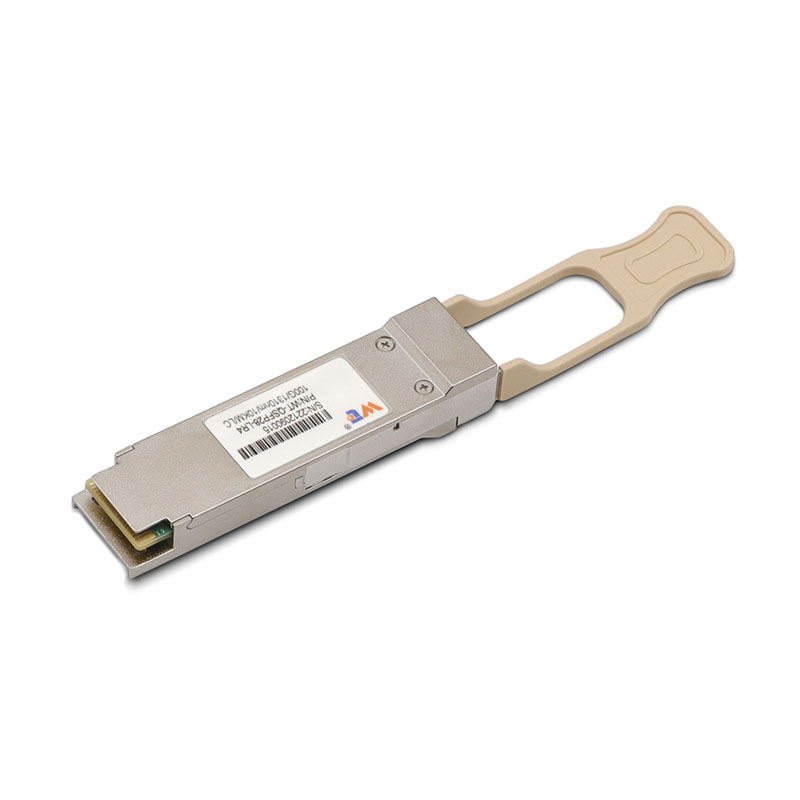
Datacenters don’t pick gear on a whim—cost, space, and performance push choices. For backbone links, a 100G QSFP28 CWDM4 transceiver beats core copper in three plain ways: smaller footprint, lower power per gig, and longer reach on single-mode fiber. If you hunt parts, check an optical transceiver manufacturer early; they stock QSFP28, SFP+, and other modules that let you plan the swaps without scrambling later.
What the comparison looks like on the floor
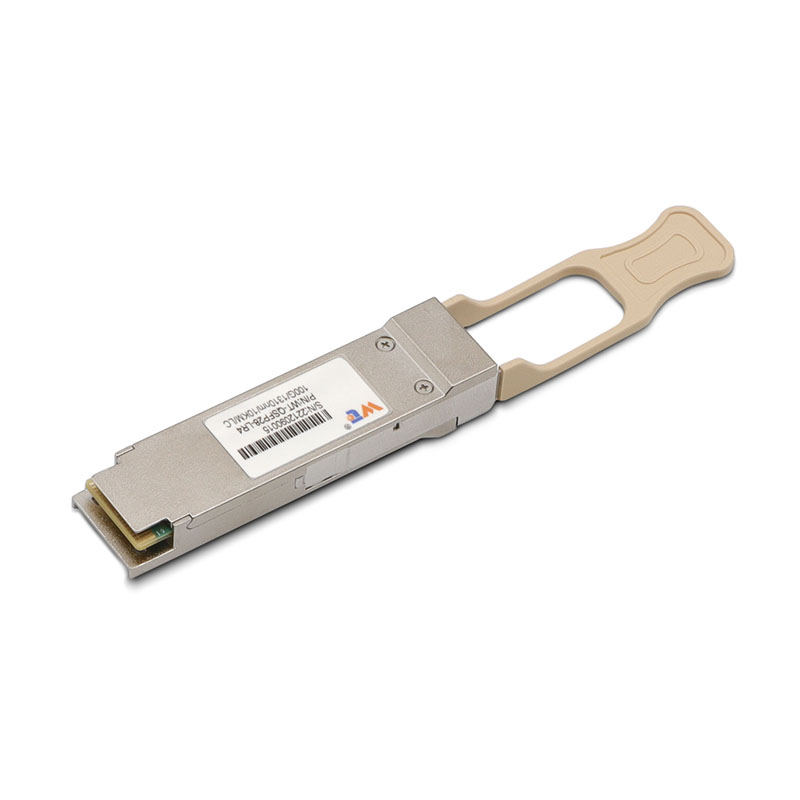
Copper jumpers and Active Copper Cables (ACC) felt fine when racks were close. But when you start running hundreds of links across a hall, copper gets heavy—literally and operationally. A single QSFP28 CWDM4 transceiver on fiber removes bulky cables, reduces cooling load, and frees up ports for actual routing gear. For smaller links, a reliable 10g sfp transceiver or SFP+ alternative still plays a role, but for aggregation, 100G optics win on density and thermal budgets.
Real-world anchor and practical proof
Hyperscale operators moved to optics as traffic rose across metro and campus sites—this shift is visible in public accounts from large cloud providers who documented densification strategies. On-site, switching from copper to QSFP28 reduced rack-cable clutter and lowered switch inlet temperatures—real savings in a month, not a year. QSFP28, CWDM4, and SFP+ are the industry terms you’ll hear on the floor; they’re not marketing fluff, they’re the parts techs swap late at night to keep traffic flowing.
Cost, power, and install time — the cold numbers
Upfront cost per port might look higher for QSFP28 optics than for copper jumpers. But include power draw per port, time to install and manage cable runs, and cooling costs, and optics usually win within the first refresh cycle. Fiber transceivers scale better: one fiber trunk carries more lanes with less weight, fewer failures, and less intervention. Copper’s cheap when you need very short patch runs — still useful — but it’s a poor fit for aggregation and spine links.
Common mistakes and practical fixes
Teams replace copper with optics but forget link verification and spare inventory planning. That kills uptime. Keep three simple habits: label fibers at both ends, keep spare QSFP28 and SFP+ modules on-site, and validate links with a basic light meter or loopback test after each swap. – Don’t overprovision cables early; plan physical trays around fiber, not copper. – Train ops on QSFP28 hot-swap and lane-mapping so migrations don’t stall during peak windows.
When copper still makes sense
Short top-of-rack runs and legacy gear with fixed copper ports still justify copper. Also, where budget is constrained and traffic will stay under 10 Gbps per host, an SFP+ or 10g sfp transceiver fits the bill. For everything else—spine links, inter-pod aggregation, and long runs—single-mode fiber with CWDM4 optics is the pragmatic choice.
How to choose the right modules
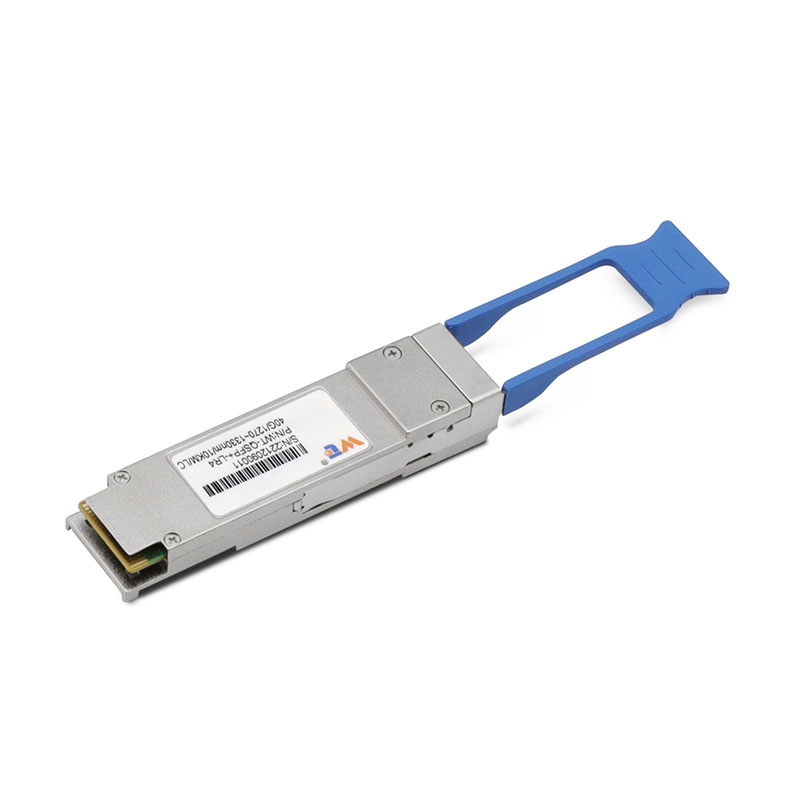
Pick modules based on three practical factors: reach, power per port, and port density. CWDM4 typically covers the 2 km metro-ish runs with fewer lasers and predictable loss budgets. QSFP28 gives you 4 lanes of 25G or a single 100G lane, so match lane count to switch capability. Keep SFP+ spares for 10G leafs—mixing SFP+ and QSFP28 is normal when rolling upgrades.
Three golden rules for procurement and ops
1) Measure physical space and cooling first — density wins only if you can cool it. 2) Standardize on a small number of module types — reduces spares and cross-compat headaches. 3) Validate vendor optics on your test bench before wide rollout — a burn-in catches intermittent faults and keeps outages rare. These metrics give you predictable uptime, predictable costs, and predictable headroom.
WINTOP supplies tested optics and spare strategies that slide into existing racks without fuss — they solve the spare-part puzzle so ops can focus on traffic, not hunting modules. Trust the parts you buy and the plan you run; that’s how you keep the floor humming.