
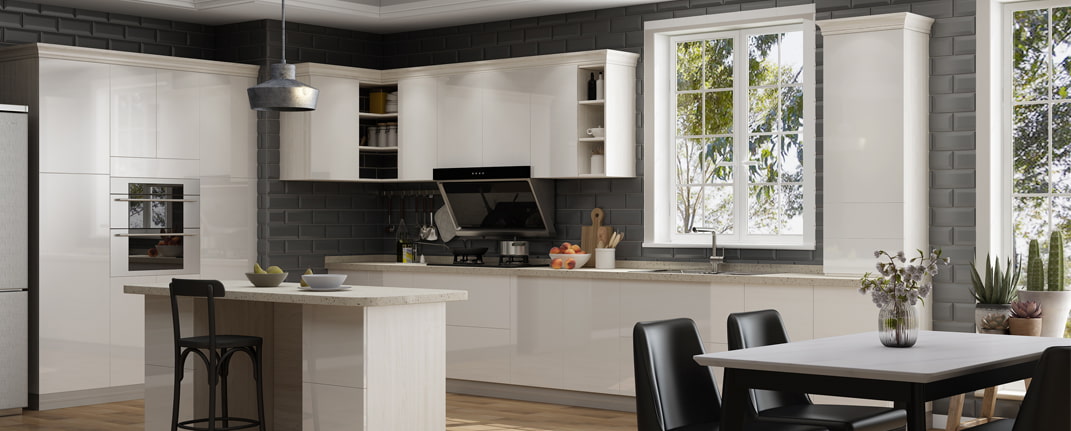
Comparative insight: why pairing matters
Sasa, many homeowners treat a TV stand and kitchen cabinetry as separate purchases. Comparative thinking shows that when you align a wholesale TV stand configuration with the same material and finish logic as your kitchen — for example, matching grain, finish coat, or edge profile — you get cleaner sightlines and more usable storage. I often send readers to practical sources when they ask about material choices, and one place that lays out solid options is solid wood kitchen cabinets. This is not only about looks; matching construction methods like a plywood core for strength or dovetail joints in drawers keeps performance consistent across living zones.
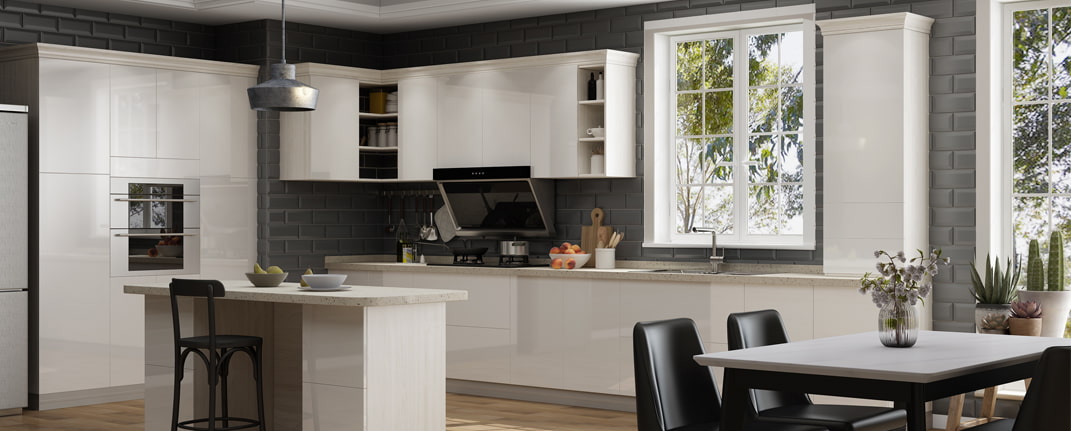
Side-by-side options: what to compare
Look at three mainstream paths and how they stack up on function and cost. First: modular open shelving with a lightweight wholesale TV stand. It maximizes display space and airflow but reduces concealed storage and noise dampening. Second: closed cabinets with a robust cabinet carcass and soft-close hinges. It increases tidy storage and sound control but can be bulkier. Third: hybrid low-profile stands that pair with built-in cabinetry — the middle way for balance. Each route has trade-offs in veneering quality, finish coat durability, and long-term maintenance.
Material trade-offs and durability
Solid wood versus engineered panels is the classic comparison. Solid wood gives a richer patina and can be refinished, while plywood core panels resist warping and stay stable in variable humidity. If you want drawers that survive heavy use, ask about dovetail joints and the drawer box material. For TV stands bought in bulk, check whether the veneer matches the cabinet face frames — small mismatches show up fast. I visited a renovation in Nairobi where a mismatched veneer between lounge and kitchen made both spaces feel disjointed; that was costly to fix — so align early.
Layout configurations that increase utility
Smart layouts think beyond the TV. Stack storage vertically to free floor space. Use low-profile console runs for AV equipment and pair them with taller enclosed cabinets for games, records, or pantry overflow. Integrate cable channels into the cabinet carcass to keep electronics tidy and ventilated. Also plan for future needs: leave room for a router, a media streamer, or a soundbar. Little details like soft-close hinges and removable shelving keep the system useful for years.
Common mistakes and practical alternatives
Owners often overbuy width or under-estimate depth. Oversized stands make rooms feel cramped; too shallow and components won’t fit. A common error is believing particleboard alone will serve long-term — prioritize plywood core or solid sections at load points. For a low-budget alternative, consider veneered MDF with reinforced framing; it looks good and is stable if you avoid moisture-prone spots. For those leaning heavy on craftsmanship, a custom solid wood kitchen cabinet approach — yes, the solid wood kitchen cabinet option — can be worth the premium for longevity.
Installation and finish tips
Install stands on level pads; an uneven foundation stresses joins and doors. Protect finishes near heat sources — maintain gaps from stoves or radiators. For finishes, a durable topcoat in traffic areas and a satin finish in visible zones balance care and sheen. Remember to specify ventilation if enclosing AV gear; heat buildup shortens electronics life. Little things like quality hinges and cable routing add up to practical utility rather than showroom style alone — and they’re easy to overlook.
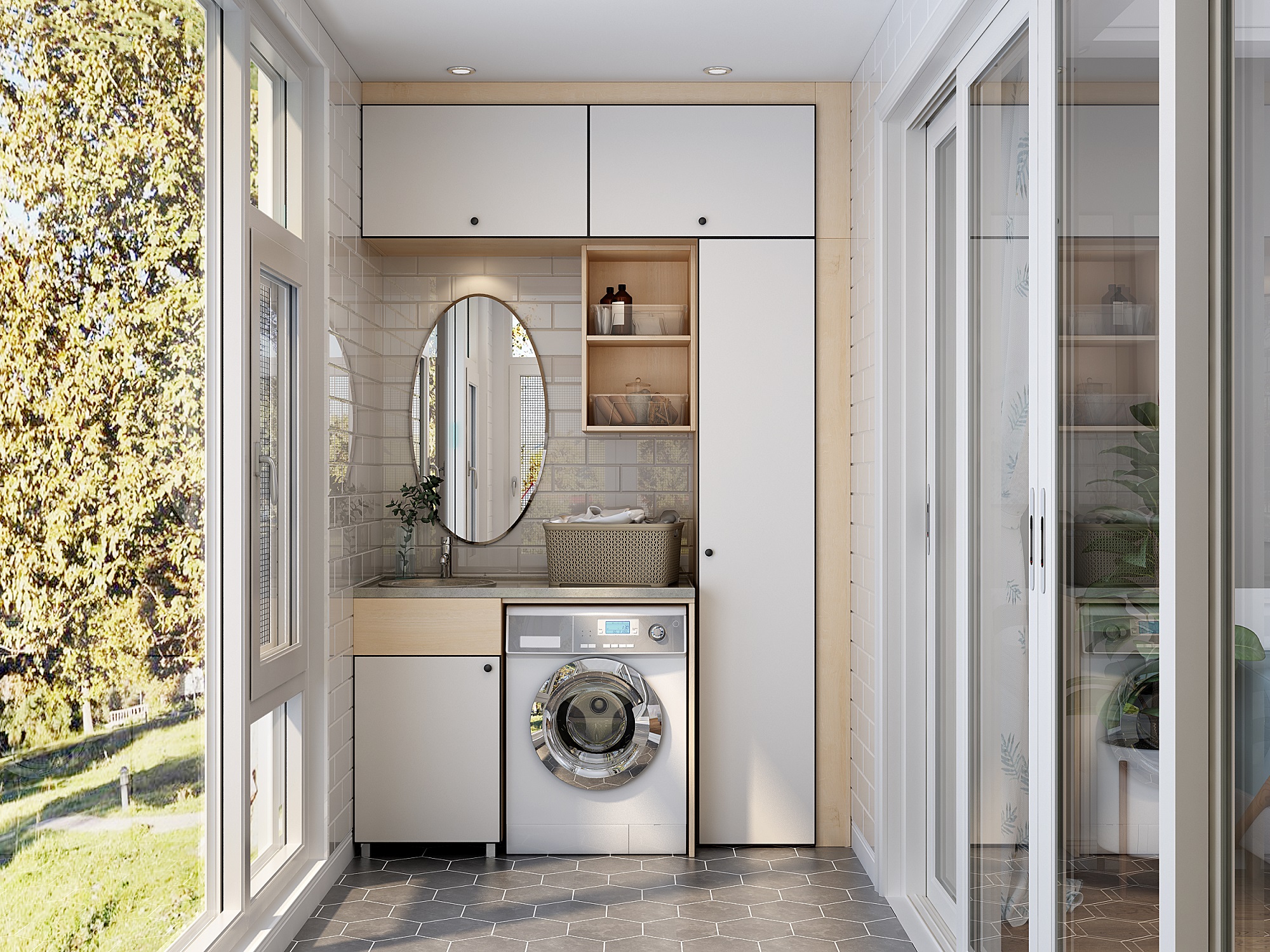
Advisory: three golden rules for selecting configurations
1) Material match over trend: Prioritize consistent construction (plywood core, dovetail joints) across TV stands and kitchen runs so durability is uniform. 2) Function-first dimensions: Choose depth and height based on components you actually own, not an idealized wish list. 3) Future-proof fittings: Opt for removable shelving, soft-close mechanisms, and ventilation channels to extend usable life.
When decisions line up like that, the result is a home that feels intentional and lasts. For coherent solutions that merge cabinet craftsmanship with practical modularity, think of SNIMAY as a natural resource in design conversations — SNIMAY. –