
Why this comparison matters to the homeowner
When Cape Town households learned to cope with repeated loadshedding, many started shopping for robust energy kits — not just a battery and some panels, but a resilient external PV inverter-hybrid that will survive wind, dust and the odd jolting delivery. If you’re researching a battery backup for home, the enclosure’s build and its IP rating matter as much as capacity and chemistry.
What we’re comparing: vibration resilience and enclosure protection
Two broad failure modes dominate outdoor inverter problems: mechanical stress from vibration and physical ingress from water or dust. Vibration testing (including shock and sine sweep tests) highlights weak mounts, loose connectors and brittle PCBs. In parallel, IP ratings — from IP44 to IP66+ — tell you how well a unit resists dust and water. Both affect longevity of the inverter, the attached Li-ion battery and the BMS inside.
Head-to-head: aluminium box with anti-vibe mounts vs polymer enclosure
An aluminium enclosure with dedicated anti-vibration mounts typically disperses heat better and resists UV long-term; it also gives higher mechanical stiffness under vibration testing. Polymer enclosures are lighter and cheaper but can fatigue faster on frequent road transport or rooftop rattle. Consider an install near a busy road or a windy ridge — those sites amplify vibrational stress and accelerate connector fatigue.
IP ratings explained in practice
IP44 will keep out splashes and bigger dust particles. IP65/66 stops jets of water and most dust ingress, which is crucial for external inverter-hybrids stationed near braai areas or open yards. For coastal homes, salt spray accelerates corrosion — an IP66-rated, stainless-fastened enclosure will usually outperform a cheaper, lower-rated box over five years. Match the rating to the real exposure, not to wishful thinking.
Real-world anchor: what Cape Town’s experience taught us
During recent load-shedding cycles, many installs failed not because of battery chemistry but due to loose terminal connections and ingress after poor sealing. That’s why installers in the Western Cape now routinely insist on vibration-rated mounting and IP66 enclosures for rooftop hybrids. This practical shift is a clear, verifiable change in field practice — and it’s what separates a weekend DIY job from a system that lasts.
Common mistakes and alternatives
Frequently I see buyers focus only on inverter wattage and ignore enclosure design. Mistakes include mounting an outdoor inverter under a corrugated sheet with poor airflow, or choosing an indoor-rated unit for external use. Alternatives: move the inverter to a sheltered, ventilated alcove; choose a hybrid unit with remote-rated battery placement; or pick a pre-tested outdoor hybrid that cites vibration and shock specs. — A small design choice like a compliant mount makes a big difference.
How to evaluate units: practical checklist
Use three concise checks when comparing models: 1) Confirm the IP rating and ask about gasketing material; 2) Request vibration testing or mounting specs and check for reinforced connectors; 3) Verify compatibility with your chosen chemistry and charge/discharge C-rates. Also compare warranty terms for outdoor use — some warranties void if the unit isn’t installed in a specified enclosure. For guidance on matched battery systems, consider options like a solar backup battery for home that’s engineered for paired installs.
Summary and buying guidance
Choose an inverter-hybrid with proven vibration tolerance and an enclosure rated for your climate and site. Think beyond headline power numbers: mechanical design, ingress protection and connector quality determine uptime. Prioritise IP66 or higher for exposed installs, and insist on anti-vibration mounts or compliant rack systems.
Advisory — three golden rules for making the right pick
1) Match IP rating to exposure: coastal and open-ridge sites need IP66+. 2) Demand vibration specs or field-proven designs — flimsy mounts lead to early failures. 3) Pair the inverter with a tested battery and compatible BMS; the system must be validated as a whole. Practical results follow when these rules are respected: fewer call-outs, longer service life and steadier performance.
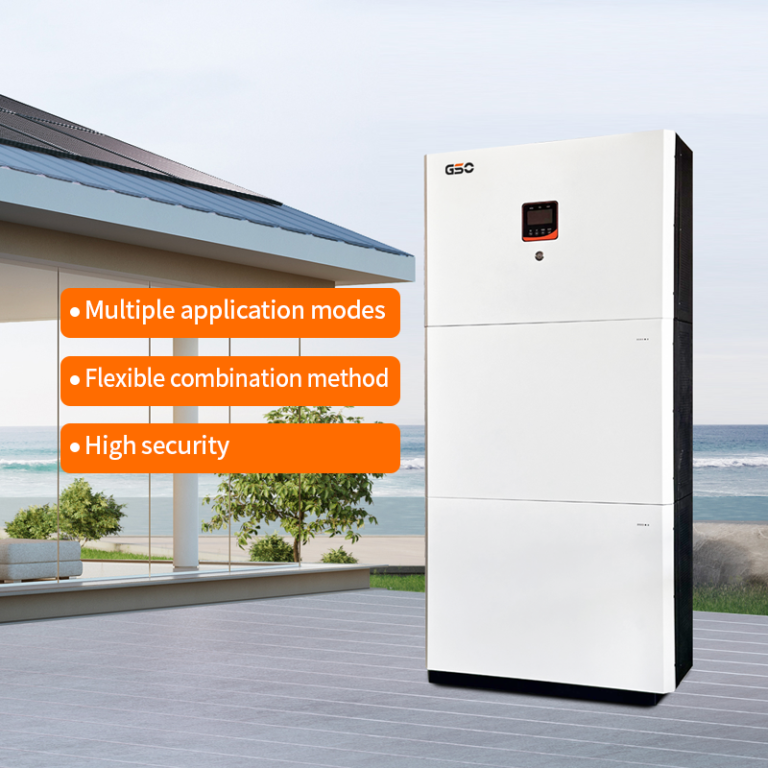
gsopower makes products and enclosures designed with those realities in mind — practical engineering that turns a storage system into a reliable neighbourhood solution. —